 LONNOW.COM
 01 / ENGLAND
Somerset · South West
Bath
Roman water. Georgian streets.
London guides · events · places
THE LONNOW ENGLAND COLLECTION
Roman water. Royal excess. A poet’s front door. Discover the England beyond London through the places—and people—that shaped it.
Explore England01 / BEYOND THE CAPITAL
Choose a city, a coastal escape or a literary landscape. Each guide connects the history with what you can see today.
01 / ENGLANDRoman water. Georgian streets.
 02 / ENGLAND
An empire beneath the cathedral.
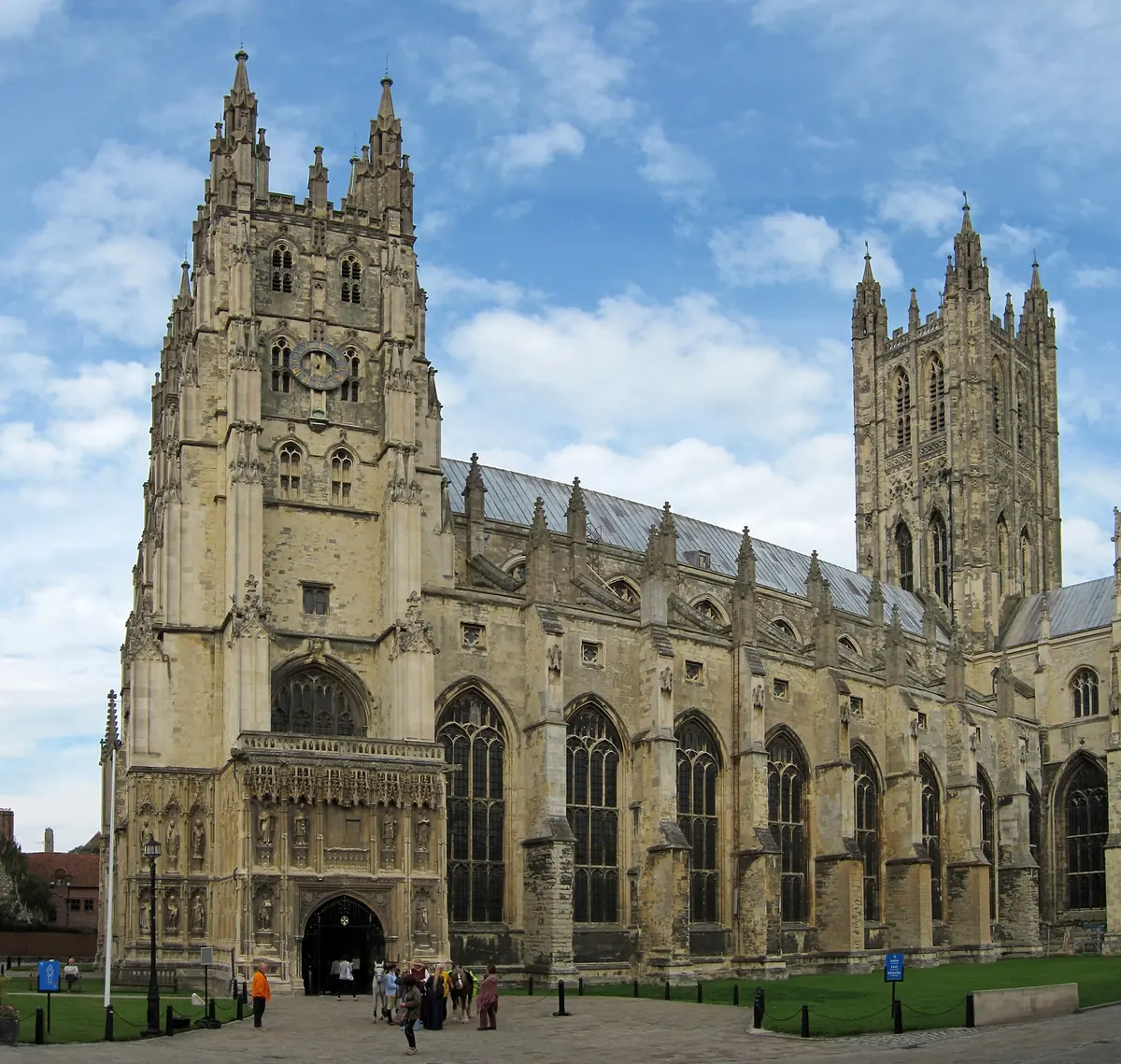 03 / ENGLAND
A journey shaped by pilgrimage.
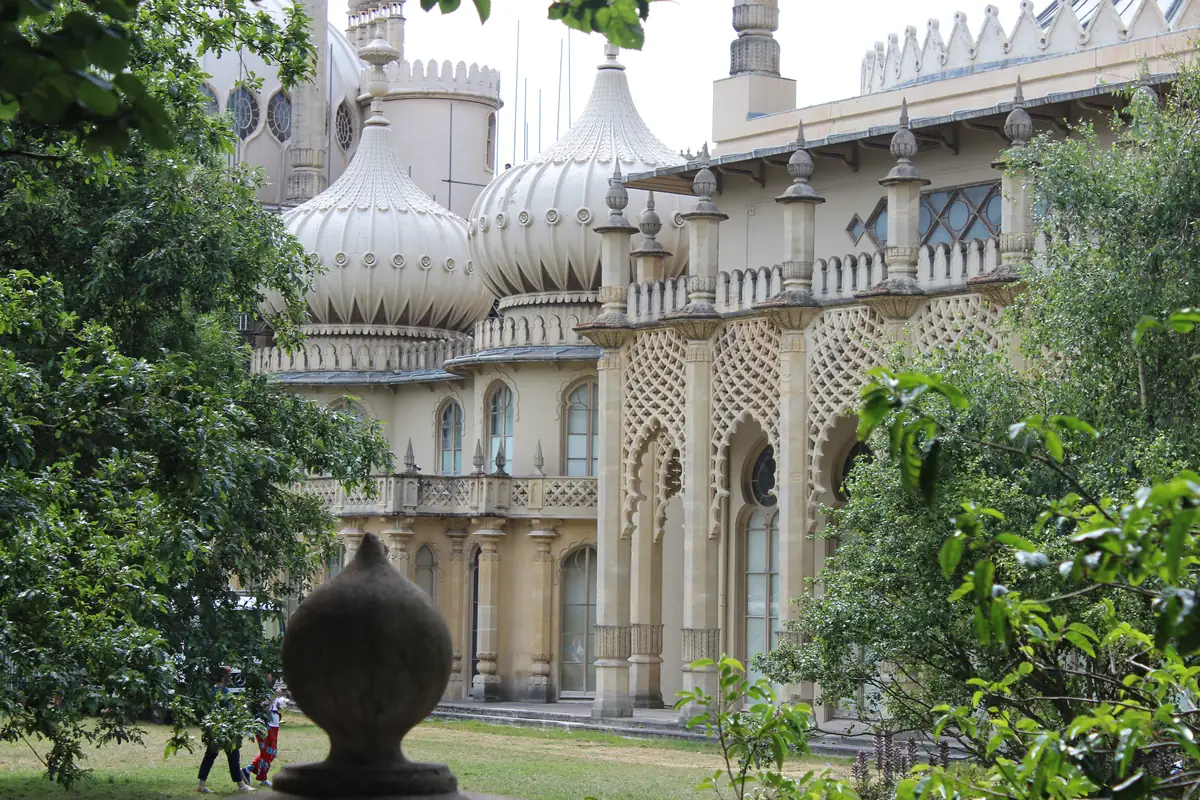 04 / ENGLAND
A royal fantasy beside the sea.
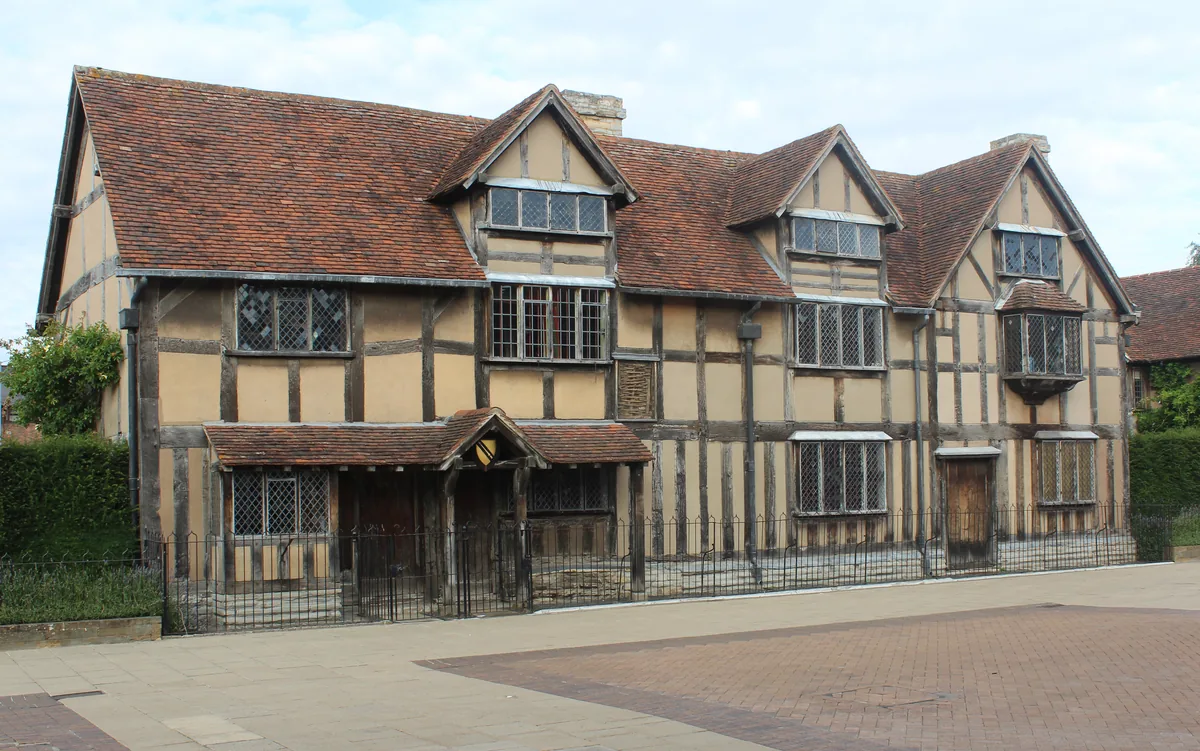 05 / ENGLAND
A childhood home. A worldwide legacy.
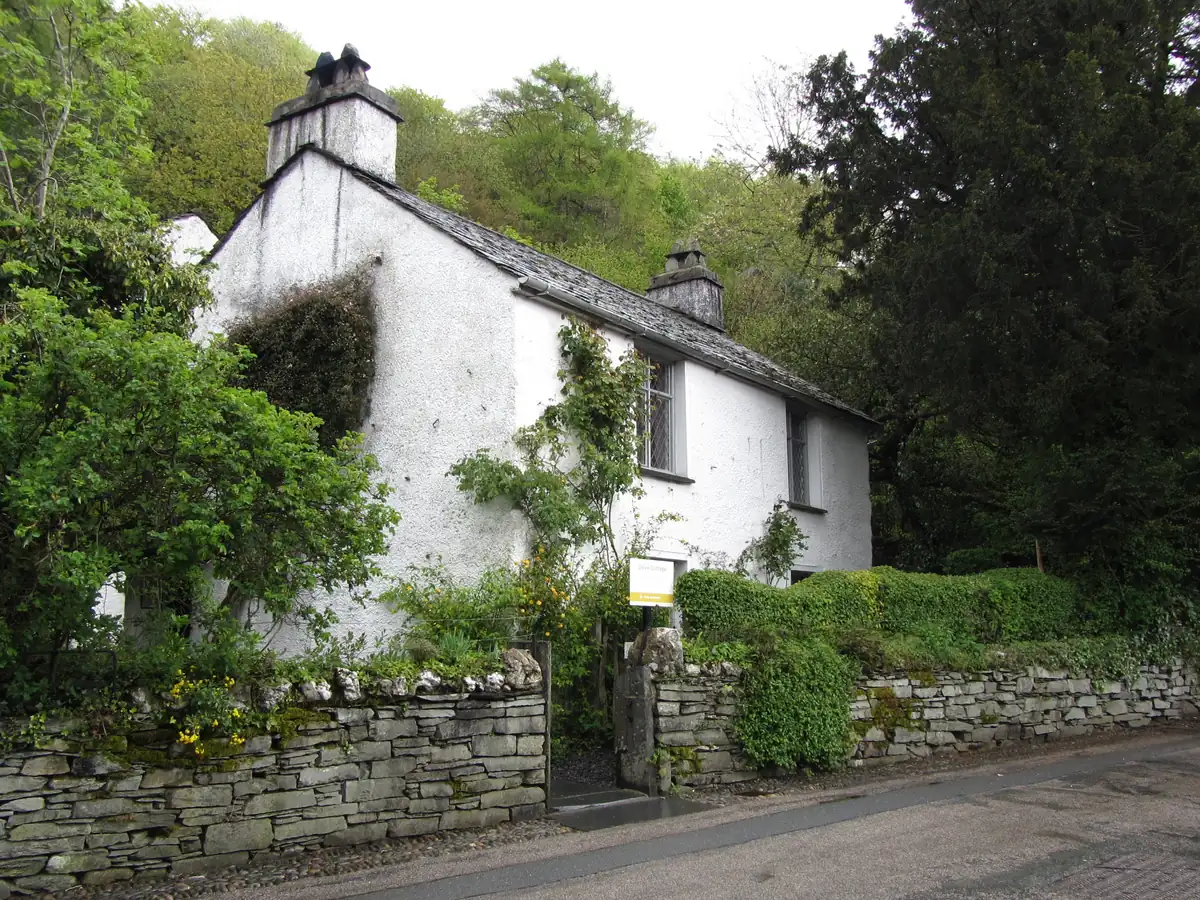 06 / ENGLAND
The landscape behind the words.
02 / FOLLOW THE CONNECTION
These are thematic reading trails, not a single-day driving route. Pick one connection and give each place time.
Start with Austen’s Bath, meet the Shakespeare household, then read the landscape with the Wordsworths.
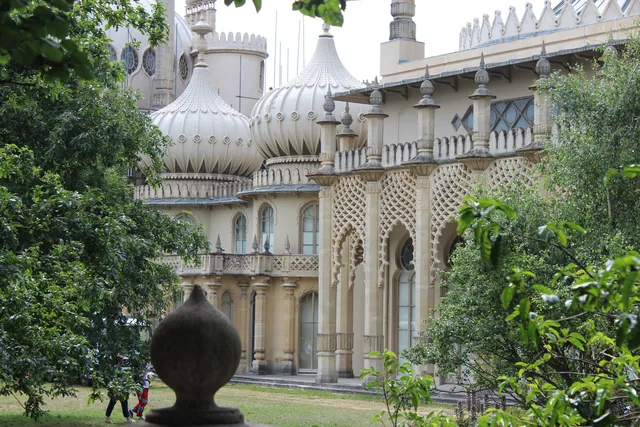
Connect Roman York, Becket’s Canterbury and the royal imagination behind Brighton’s Pavilion.
03 / MAKE ROOM FOR THE PLACE
LONNOW’s suggested pace—not a transport timetable. Choose the time you want to spend exploring before booking the journey.
Choose one main attraction, leave space for the surrounding streets and keep an unhurried meal in the plan.
An overnight stay makes room for deeper history, an evening in the town or a separately booked performance.
Base yourself locally for two nights or more. Pair the literary visit with time outdoors, matched to the conditions.
STARTING IN LONDON?
Explore Windsor, Stonehenge and Oxford & the Cotswolds alongside our London attractions and evening experiences.
THE LONNOW GUIDE
An England trip becomes more memorable when you know why you are travelling beyond the capital. Follow a city's buildings, a writer's landscape or a different relationship with the coast, then allow the place time of its own. This collection is a set of connected stories and practical choices, not a race through every destination.
Suggested trip shapes, not measured minimum visit times or a transport schedule. Each place needs its own booking and access checks.
| Trip idea | What connects the visit | Planning decision |
|---|---|---|
| Bath | Roman remains, Georgian streets and the city's landscape setting | One main admission with time to explore beyond it. |
| Canterbury | Cathedral history, pilgrimage and distinct heritage sites | Which sites to visit and their separate admission arrangements. |
| Brighton | A coastal city rather than another inland-history day | An indoor anchor and flexibility for the conditions. |
| Stratford-upon-Avon | A literary interest with time for the town | A focused day or a stay that leaves room for the evening. |
| Grasmere | The Wordsworths within a wider cultural landscape | A local base and outdoor plans matched to ability and weather. |
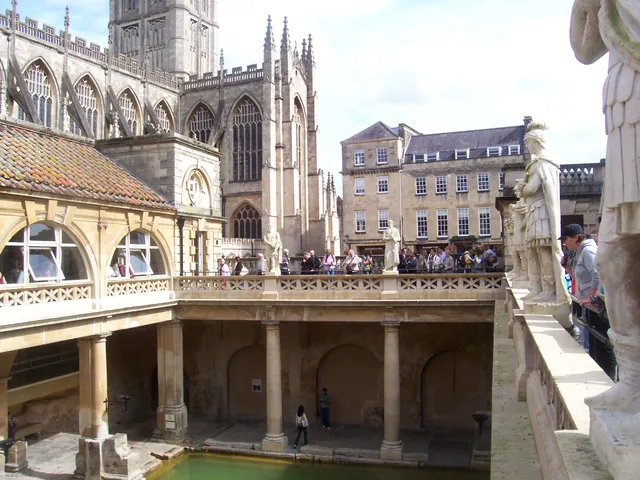
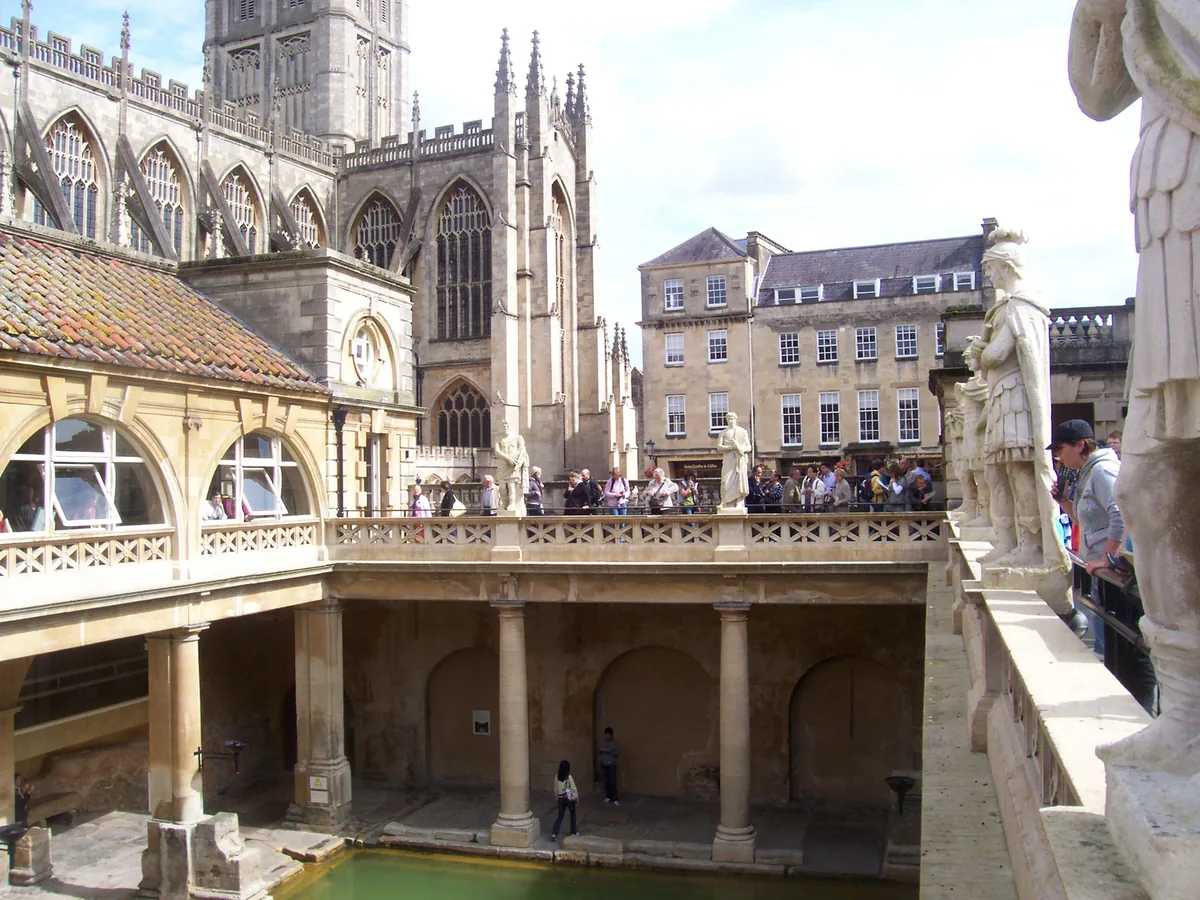
Bath rewards looking at more than one period at once. UNESCO identifies the relationship between Roman remains, Georgian urban design and the surrounding landscape as part of the city's significance. A visit can connect the baths with streets and spaces above ground rather than ending at the museum exit. Use the guide to decide which layer interests you most before filling the day with separate admissions.
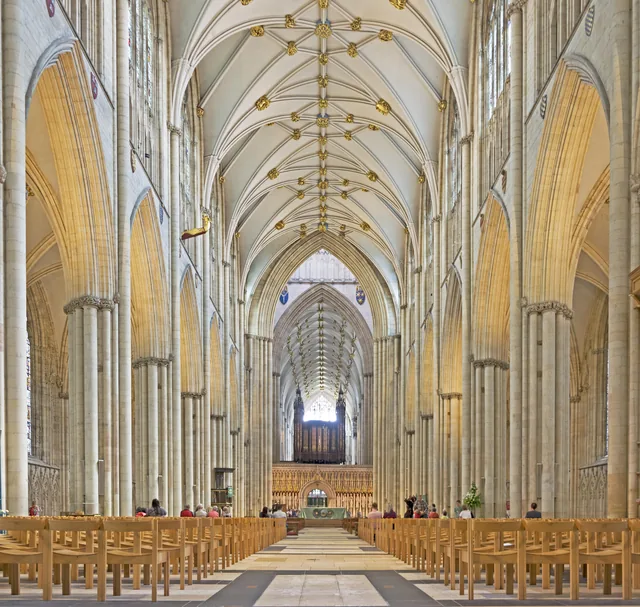
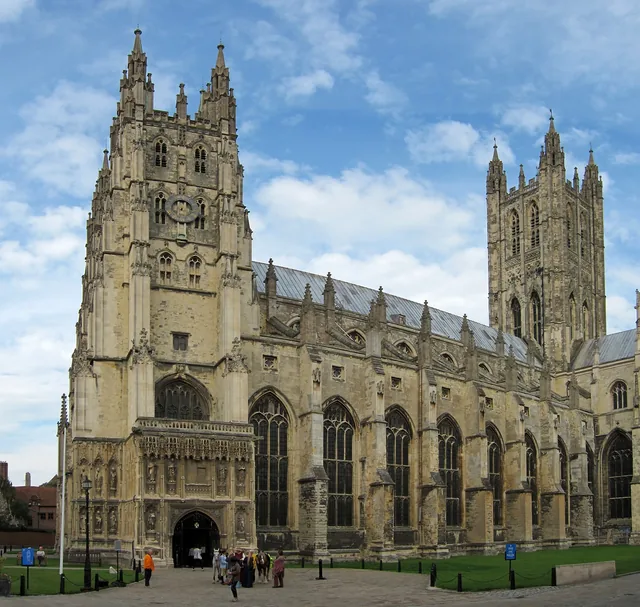
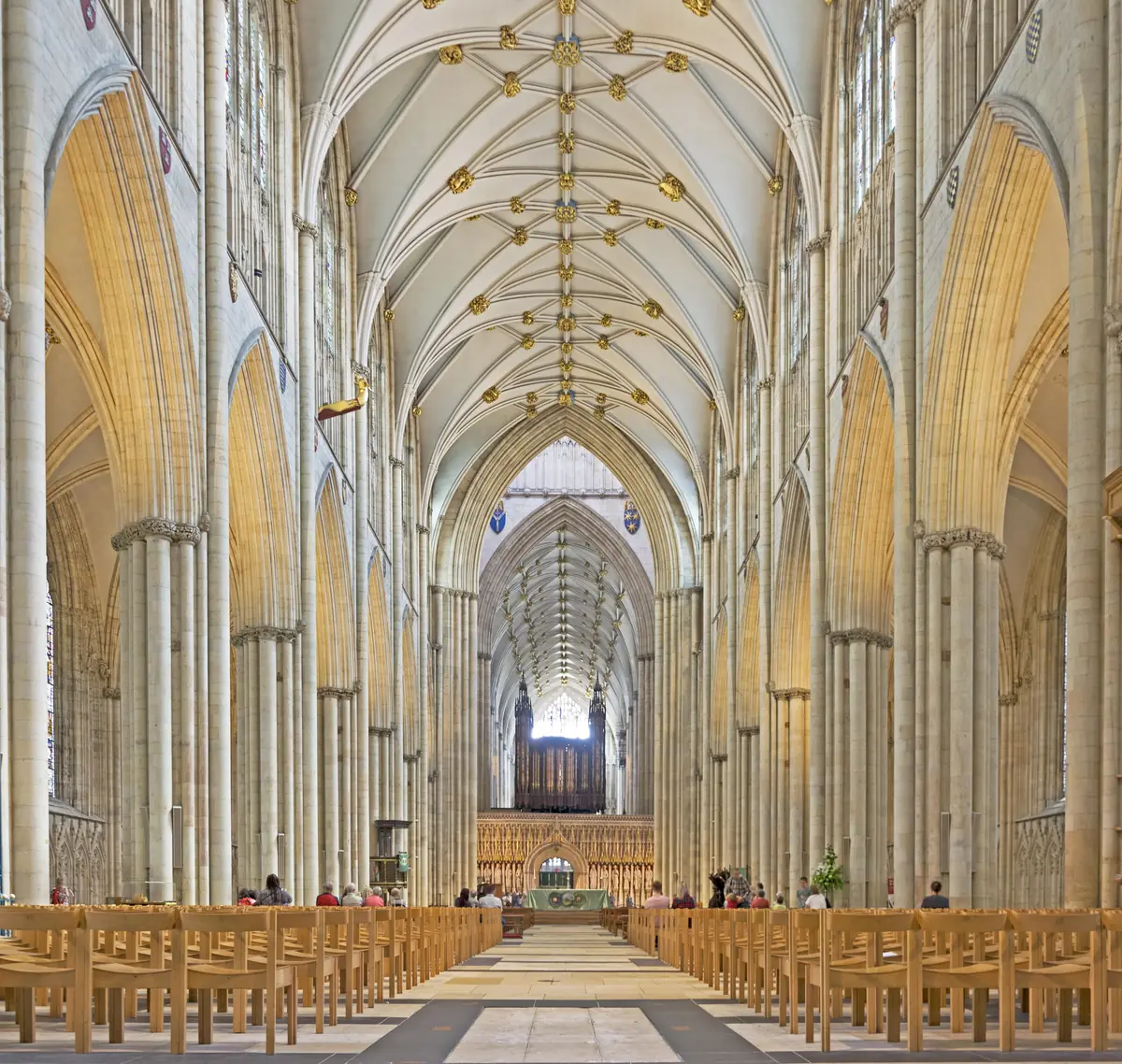
Canterbury offers a different connection between place and story. Its World Heritage property includes the cathedral, St Augustine's Abbey and St Martin's Church; Becket's murder in 1170 and subsequent pilgrimage help explain the cathedral's wider importance. These are distinct places, not an assumed single ticket. York, meanwhile, gives the existing collection another city through which to investigate layers of history rather than repeat the same kind of visit.
Continue with Bath travel guide · Canterbury travel guide · York travel guide.
Source notes: UNESCO: City of Bath · UNESCO: Canterbury Cathedral, St Augustine's Abbey and St Martin's Church
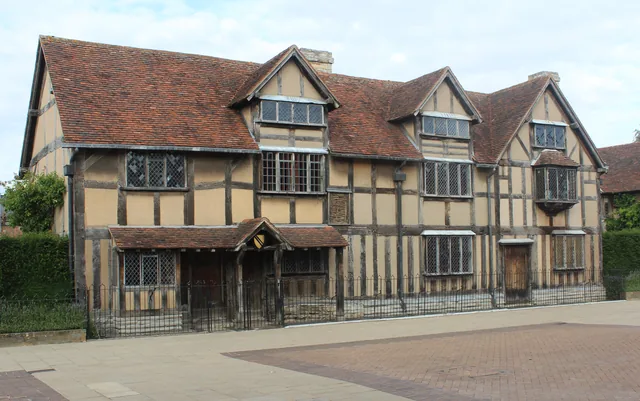
A literary connection can give a trip direction without dictating its geography. The existing guides link Shakespeare's Stratford-upon-Avon with the Wordsworths' Grasmere, while Bath provides another literary setting. Read them together if the relationship interests you; do not infer that they form one convenient day out. Decide where you want to stay and how much time the individual visit deserves.
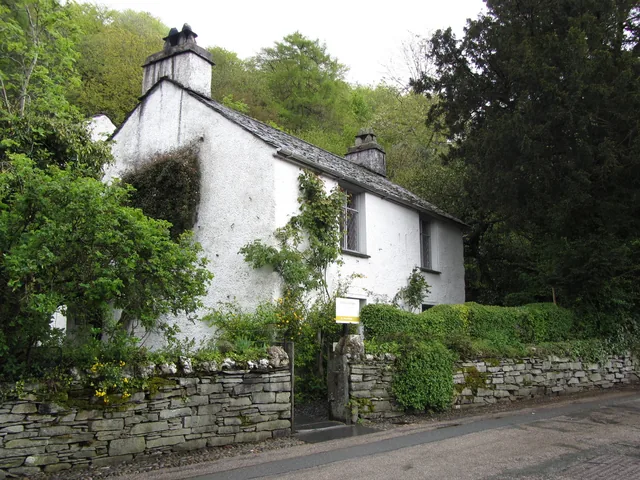
The Lake District is also a living landscape, not simply a frame around a famous cottage. UNESCO describes the interaction of glacial scenery, pastoral land use and later artistic and conservation responses. That context encourages a more attentive visit, but it does not establish a safe walking route or suitable weather. Match any outdoor extension to current conditions, your ability and the actual route information.
Continue with Stratford-upon-Avon guide · Grasmere and the Wordsworths · Brighton travel guide.
Source notes: UNESCO: The English Lake District
A fast train headline is not the length of the whole outing. Add the journey to the London departure station, the connection after arrival, entry arrangements and the return you are prepared to make. Use the date-specific railway planner before committing to an attraction slot. Comparing two routes is more useful when both include the same start and finish points, luggage and access needs.
A day trip suits a focused reason to travel; an overnight stay can give the place an evening as well as its best-known attraction. For a family, fewer bases can reduce packing and repeated check-ins. Choose whether this is a coastal day, a city visit or time in the countryside before buying a combined itinerary. The collection's suggested pace is an editorial starting point, not a timetable or a promise that every connection will work.
Continue with rail trips from London · England with children: a 10-day itinerary · Oxford and the Cotswolds.
Source notes: National Rail journey planner
Decide what would happen if you wanted another hour at the destination before choosing the return fare. An Advance ticket binds you to its specified date and train; an Off-Peak option has its own validity restrictions rather than a universal permission to travel after one morning time. Use the restriction code for the exact ticket and date, and compare the outward and return together. Do not let a headline saving decide an itinerary that the group cannot comfortably follow.
Save the ticket conditions with the journey and any separate seat reservation. A ticket name is not a guarantee of a seat or proof that the route includes your chosen intermediate stop. This rail-planning addition was revised on 18 October 2026; the source notes below identify its ticket checks.
Continue with rail-ticket and day-trip decisions.
Source notes: National Rail: Advance tickets · National Rail: Off-Peak and Super Off-Peak tickets · National Rail: Ticket and Restriction Code Finder
A journey involving several services needs one joined-up assistance plan, not an assumption that the next platform will be obvious. National Rail says any train company can arrange Passenger Assist for the whole rail journey. Station pages add the practical questions: platform access, lift status, assistance meeting points and onward transport links where information is available. Check the interchange as carefully as the departure station.
Then close the gap between the arrival platform and the attraction or accommodation. Decide who holds the confirmations, how the group will communicate if separated and what can be dropped if the journey takes longer. A booked assistance request is not an assessment of a historic building or a countryside path. Contact the destination about the approach that suits your group rather than treating a station’s step-free symbol as confirmation of the whole visit.
Continue with rail-trip access and return planning.
Source notes: National Rail: Passenger Assist · National Rail: station facilities and access information
Not as one coherent short outing. Choose a region and reason to travel, then compare complete journeys and whether a local stay would improve the visit.
Source notes: National Rail journey planner
No. A heritage listing describes significance and protection, not a universal admission product or opening schedule.
Source notes: UNESCO: City of Bath · UNESCO: Canterbury Cathedral, St Augustine's Abbey and St Martin's Church · UNESCO: The English Lake District
Work backwards from the time you want at the place, including any evening activity, then add the whole outward and return journey rather than just the train's headline running time.
Source notes: National Rail journey planner
Independent guides by Benedict Aaron · Historical sources reviewed 22 September 2026. Each destination includes source links and photograph credits.