George IV
His tastes shaped the Pavilion and its role in fashionable Brighton.
LIVE Independent London intelligence · checked today
East Sussex · South coast / ENGLAND GUIDE
A royal fantasy beside the sea.
Look beyond the seaside postcard. Brighton’s Royal Pavilion links extravagant royal taste, civic pride and an unexpected wartime history.
01 / THE PLACE BEHIND THE POSTCARD
Look a little closer.
The details change the visit.
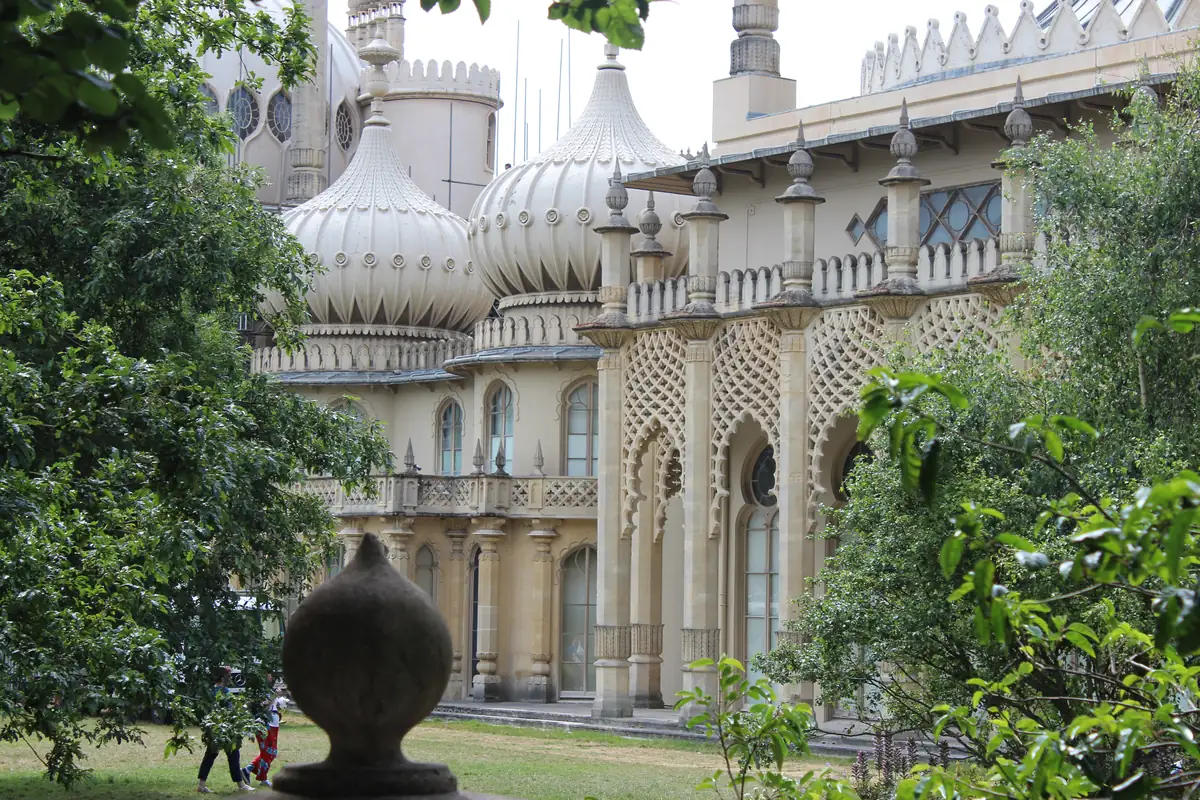
George, Prince of Wales, began visiting Brighton in the 1780s. His seaside retreat grew from a lodging house into an architectural spectacle. In 1815 he commissioned John Nash to transform the building: the domes and decorative skyline still interrupt the city around them.
Queen Victoria first visited in 1837. The Pavilion offered too little space and privacy for her growing family, and Brighton purchased it in 1850. That change matters: the building survived as a place the town could use and care for, rather than remaining only a royal possession.
Its history also includes the First World War, when it became a hospital for Indian Army soldiers and later for British servicemen who had undergone amputations. The Pavilion remained a hospital until 1920. Hold that chapter alongside the lavish rooms: a pleasure palace could become a place of treatment, recovery and difficult imperial history.
Explore the historical sources ↓02 / THROUGH TIME
A historical sequence, not a timeline drawn to scale.
The prince establishes his seaside retreat.
Work begins on the palace’s striking new form.
The town buys the former royal residence.
The building serves wounded soldiers, remaining a hospital until 1920.
03 / THE HUMAN CONNECTION
Residents, makers, visitors and patrons: each card explains the connection.
His tastes shaped the Pavilion and its role in fashionable Brighton.
He was commissioned to transform the earlier villa in 1815.
Their treatment here is central to the building’s twentieth-century story.
04 / WHEN YOU GET THERE
Look at the roofline from the gardens before entering. It gives the interiors a very particular setting.
Compare the public spectacle of the decorated rooms with the practical work needed to support royal entertaining.
Seek out the official interpretation of the wartime building; it changes how you read the palace.
05 / A SIMPLE VISIT SEQUENCE
An editorial itinerary to adapt to your entry slot, interests and energy. Check each attraction’s access separately.
Begin with the exterior and its place in the city.
Protect a generous block for the rooms and their interpretation.
Continue through the central streets, with a pause for lunch.
End beside the water, leaving the length of the walk to the weather.
06 / TURN THE STORY INTO A VISIT
Check opening times, admission, access and availability directly with Brighton & Hove Museums. Book your main attraction first, then build the rest of your trip around it.
Official attraction website · Tickets and transport are separate unless the selected product says otherwise.
07 / BEFORE YOU SET OFF
The building also tells a civic and wartime story. Its use as a hospital is an important part of the visit’s context.
Arrange your main interior visit first and keep the seafront walk flexible. Check opening and access details before travelling.
Historical facts checked against the institutions below on 22 September 2026. Routes and suggested pace are LONNOW editorial recommendations; opening arrangements can change.
NEXT / KEEP EXPLORING
 01 / ENGLAND
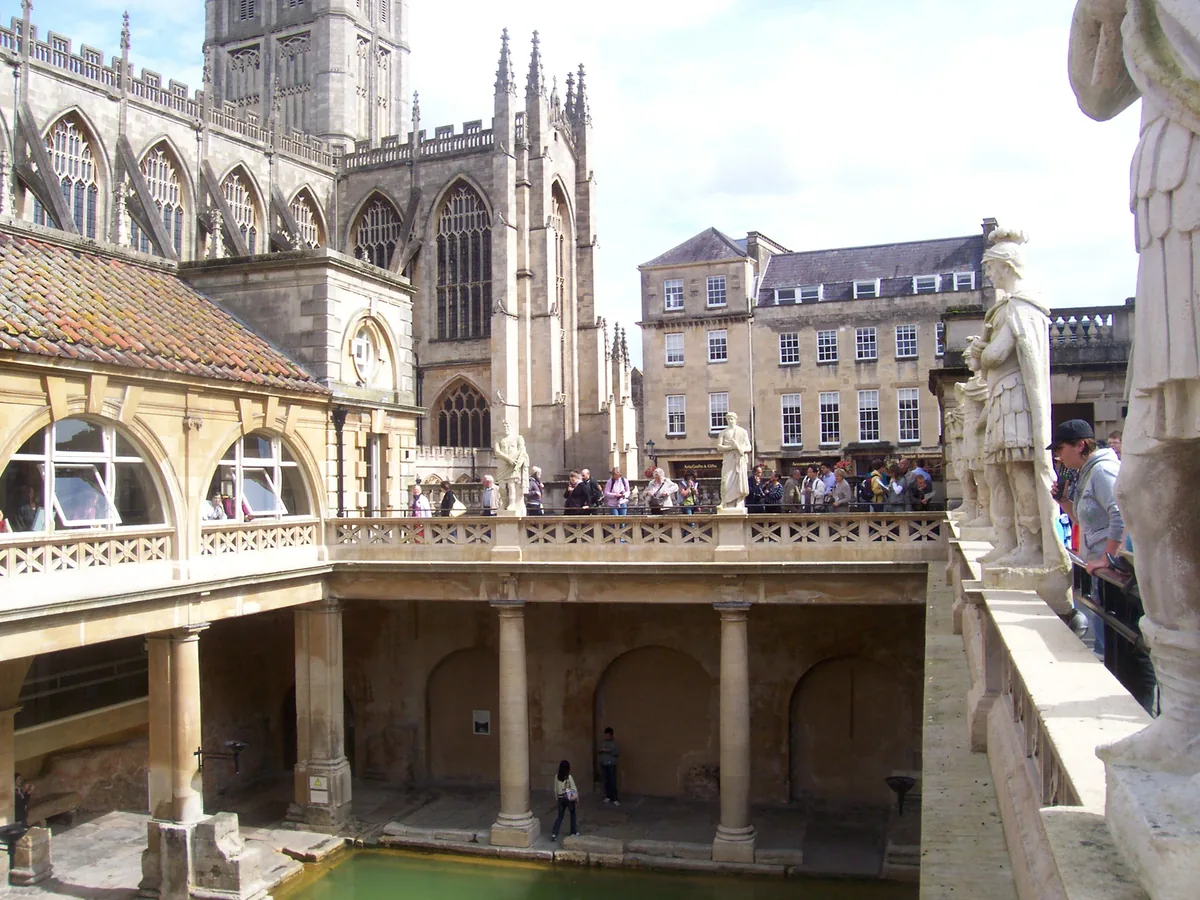
Roman water. Georgian streets.
 02 / ENGLAND
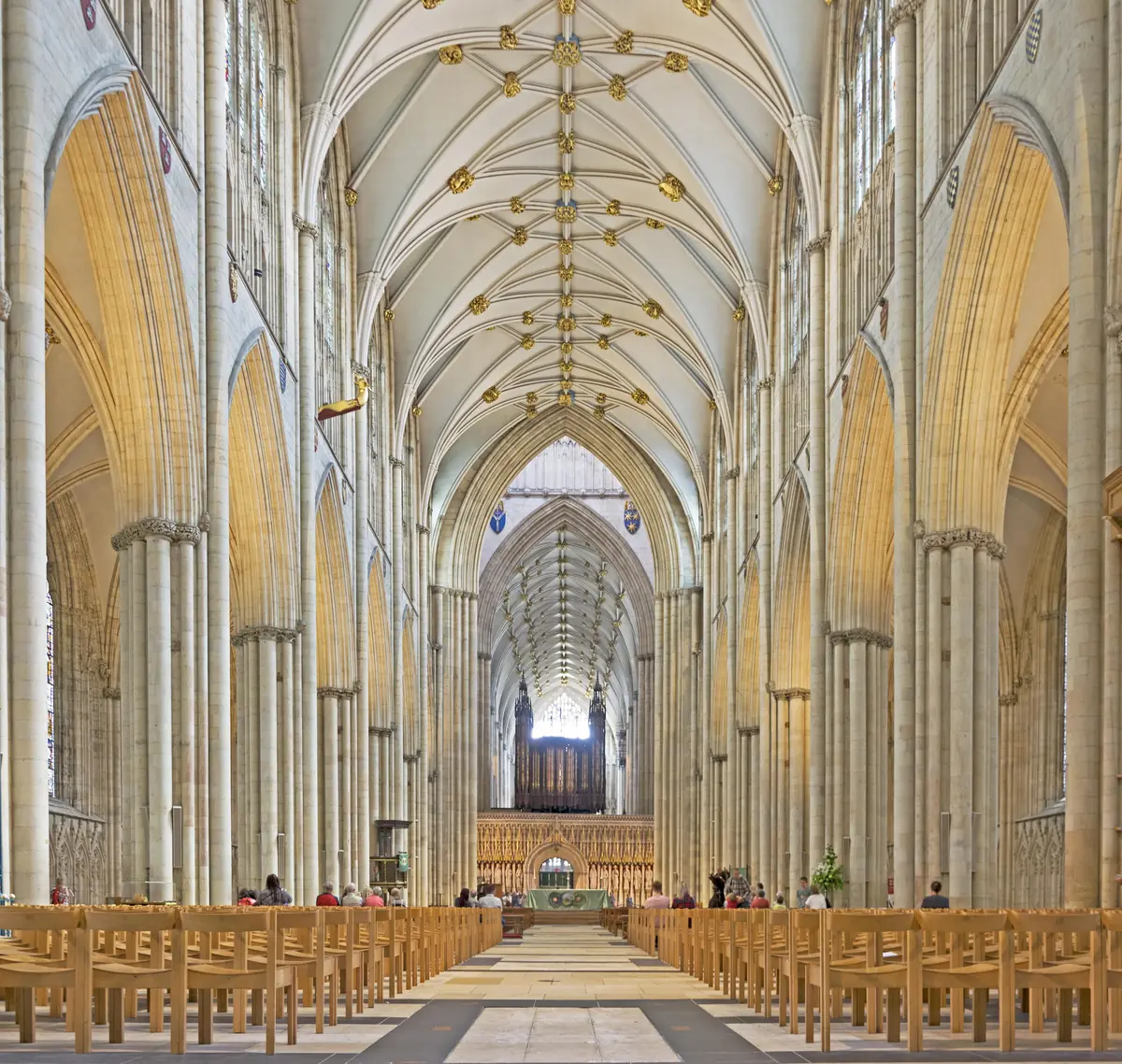
An empire beneath the cathedral.
 03 / ENGLAND
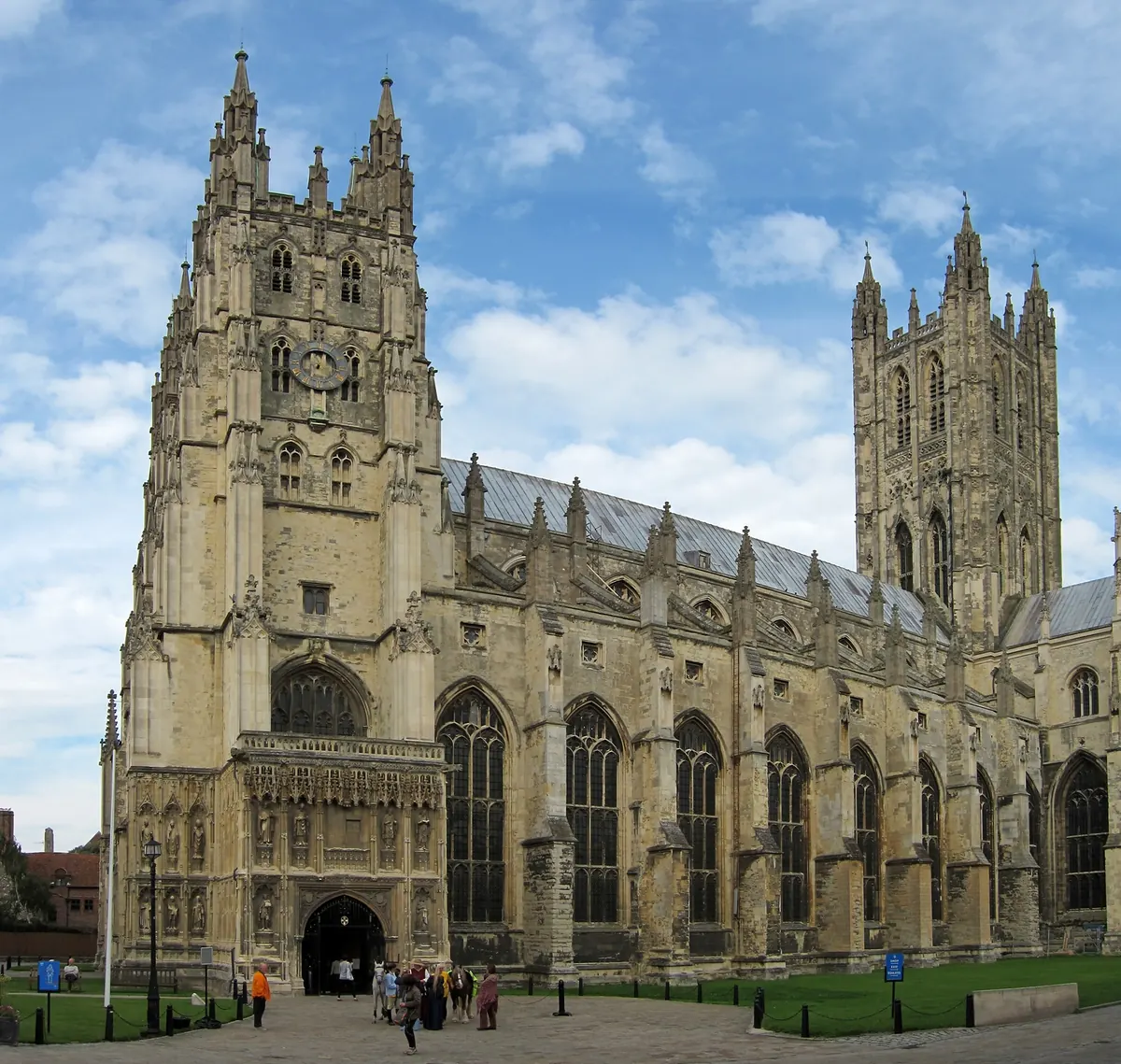
A journey shaped by pilgrimage.