WHAT’S ON
Free things to do in London: museums, parks and city walks
London’s strongest free day combines a permanent collection, a public landscape and a neighbourhood route—without pretending every special exhibition costs nothing.
- Admission target
- £0
- Route rule
- Stay in one area
- Best anchor
- Indoor + toilets
- Backup
- Walkable alternative
Choose a part of the city.
Latest source check: 2026-09-15 · Always confirm with the organiser.
Combine one collection, one landscape and one neighbourhood detail. Check timed-entry requirements before travelling.
 West · Museums01
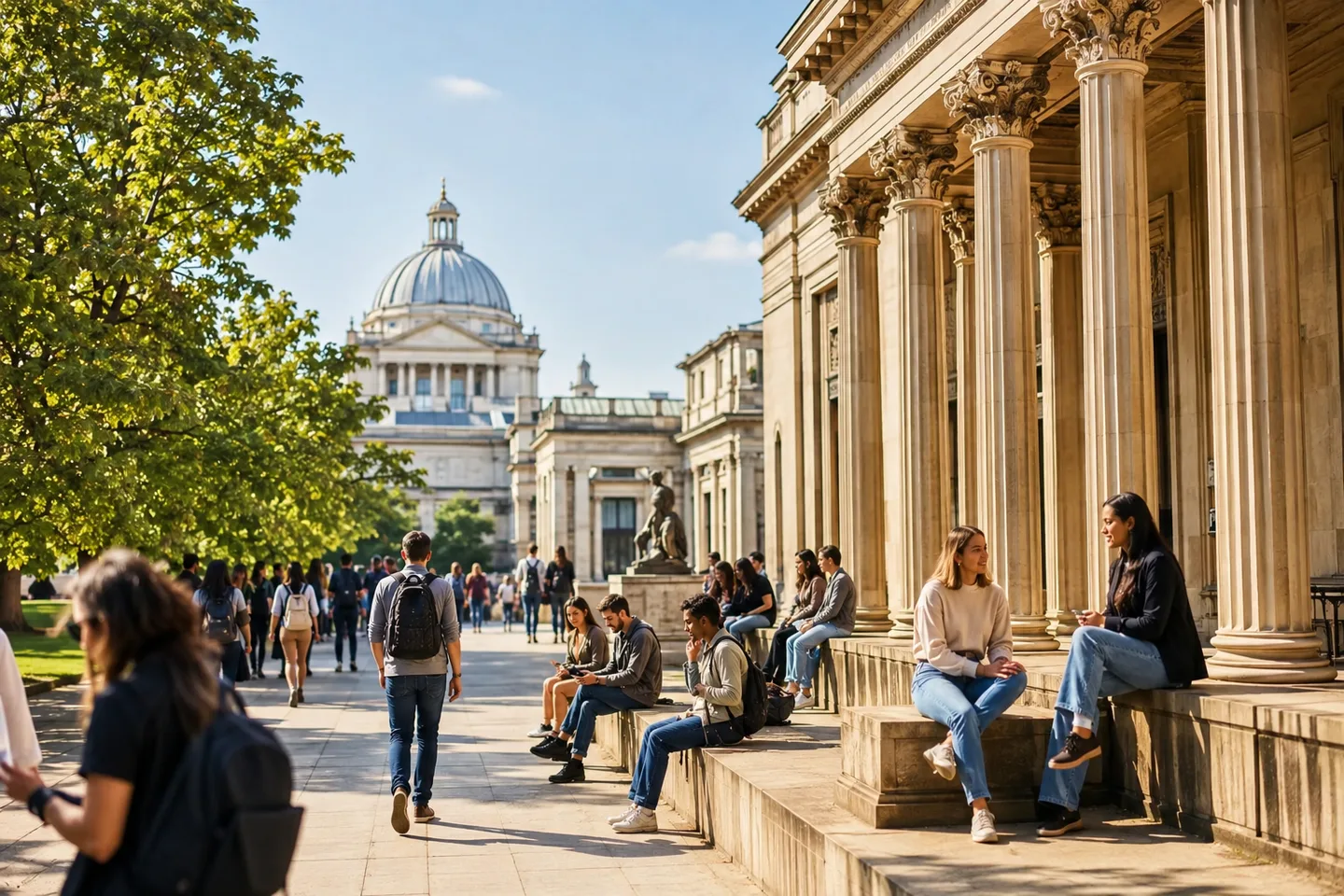
South Kensington museums
V&A, Natural History Museum and Science Museum permanent collections.
Open exact map ↗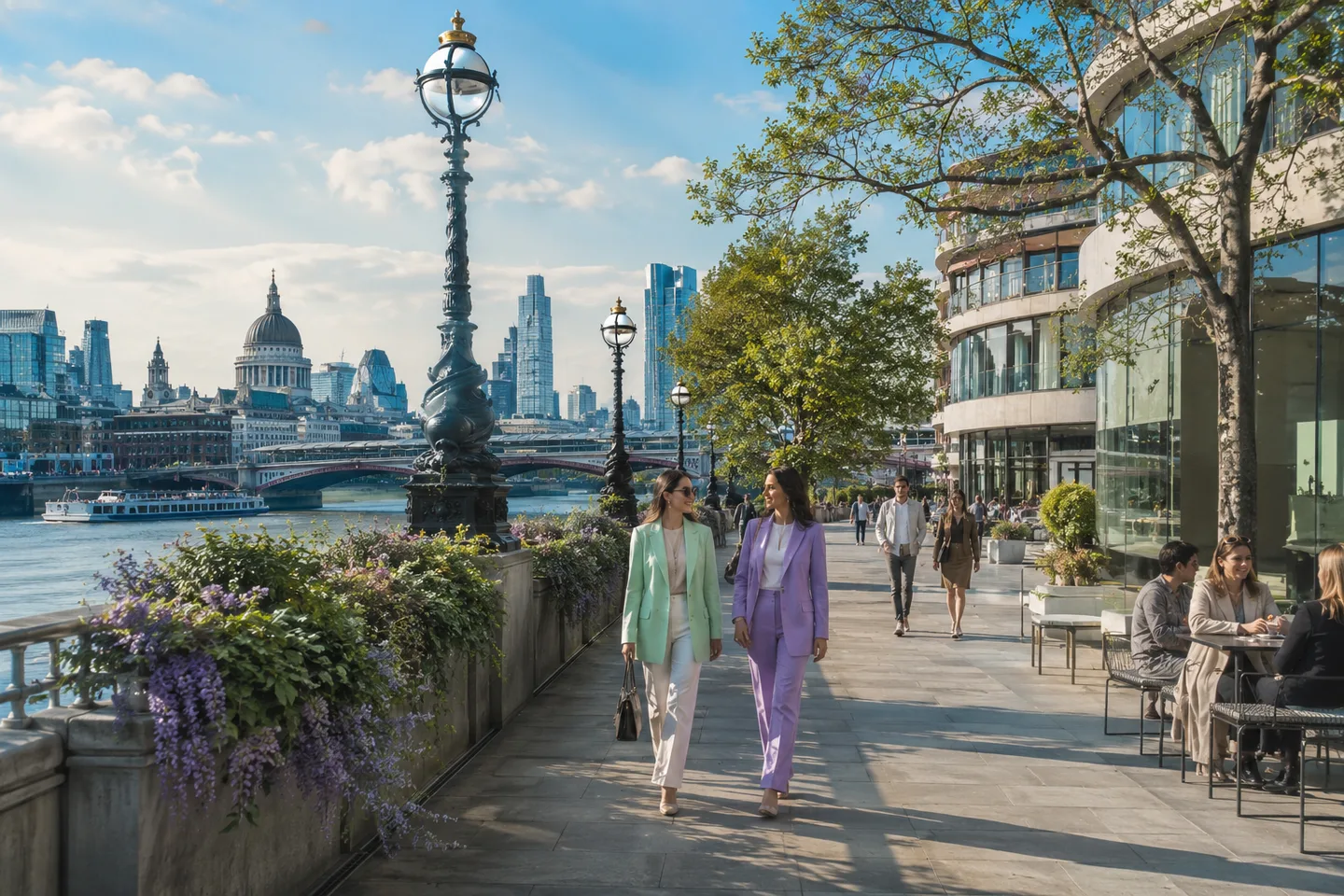 Central · Walk02
South Bank culture walk
River, public art and free collection routes around Tate Modern.
Open exact map ↗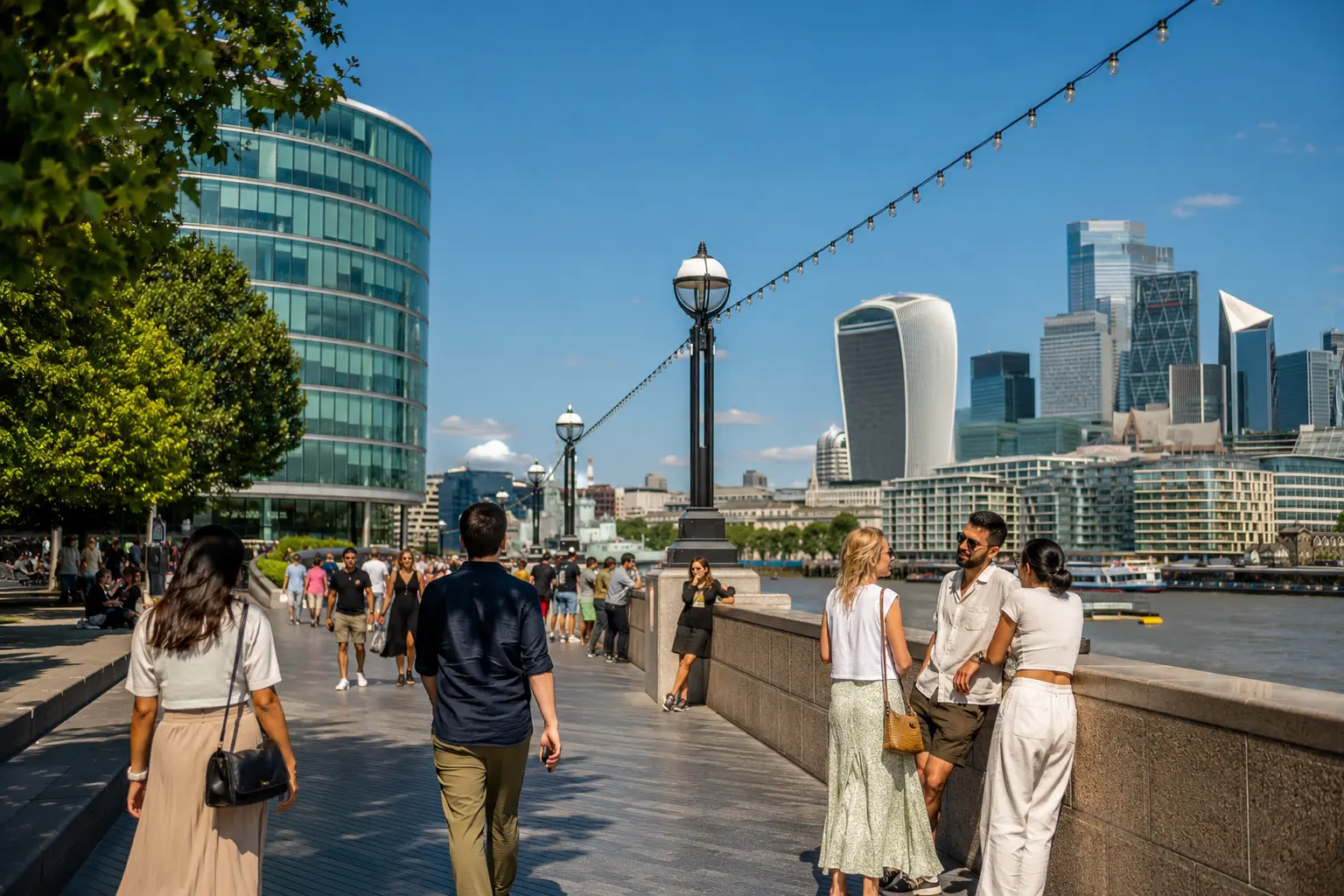 South-east · Park03
Greenwich Park and museums
Parkland, viewpoints and free National Maritime Museum galleries.
Open exact map ↗East · Public art04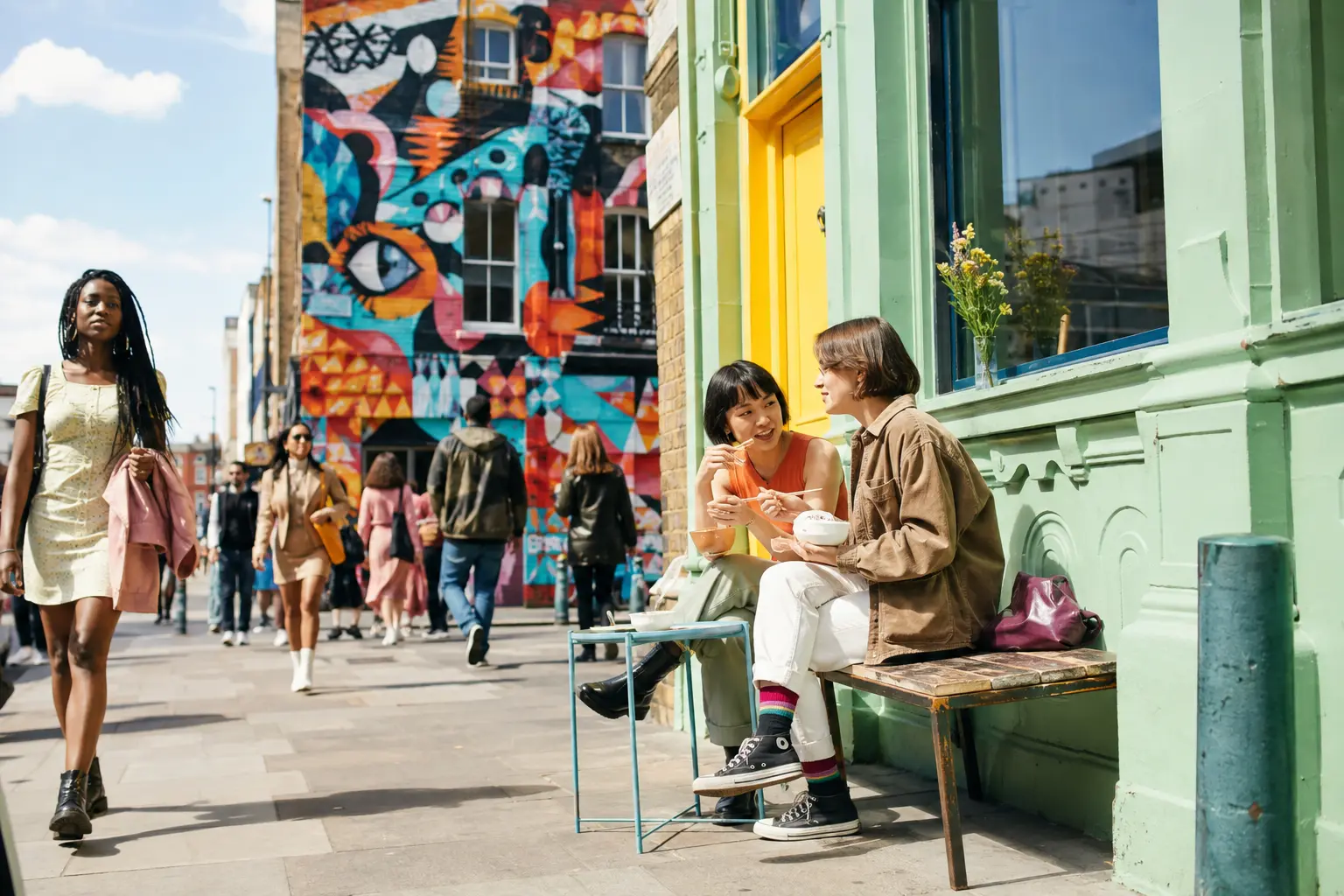 North · Park05
Hampstead Heath
A large landscape for walks and skyline views; weather changes the route.
Open exact map ↗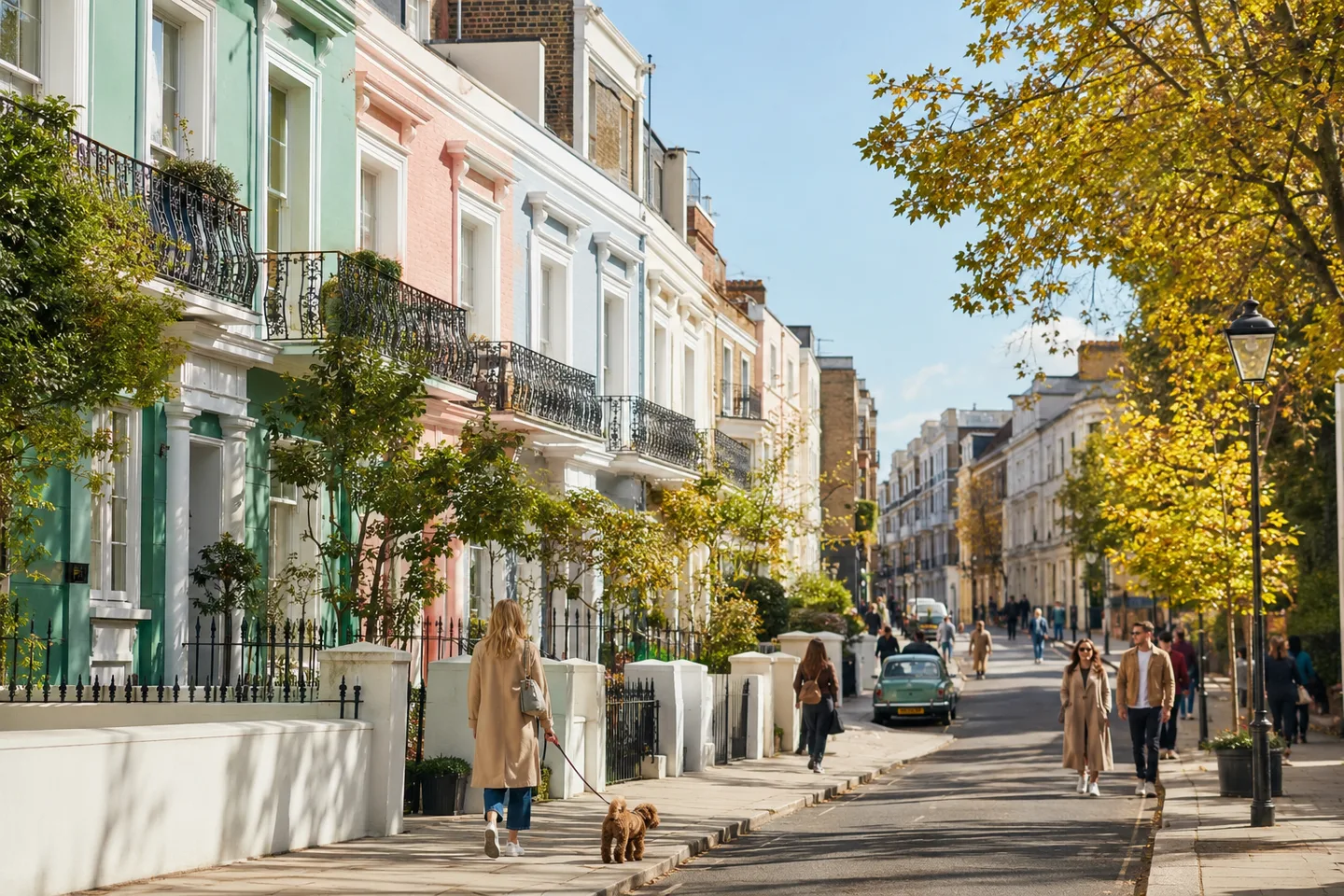 Central · Walk06
Trafalgar Square to St James’s
National Gallery permanent collection, public spaces and park routes.
Open exact map ↗Use free museums intelligently
General entry to many national museums is free, while temporary exhibitions and experiences may charge. Check whether a free timed ticket is recommended.
Make the city itself the attraction
The Thames Path, royal parks, canals, public squares, architecture and street markets can connect major institutions without another booking.
Find current free programmes
Festivals, talks and performances can be free but still capacity-controlled. London Design Festival runs 12–20 September 2026 and includes free listings; verify each listing before travel.
Budget for the hidden spend
Transport, food, cloakrooms and impulse purchases can turn a free itinerary expensive. Pick a compact area and carry water where permitted.
Build three reliable free layers
Combine one major permanent collection, one outdoor space and one neighbourhood detail such as architecture, a market street or public art. If one layer closes, the other two preserve the day.
Check who needs a reservation
Free timed tickets can still be capacity-controlled, and family or group booking rules may differ. Reserve only through the institution and release a ticket when plans change.
Separate free admission from a free day
Free entry does not remove transport, food, lockers, special exhibitions or booking friction. Decide whether the target is strictly £0 admission or a complete low-cost day. Carry water, identify a public space for a break and compare off-peak travel with the value of a closer option. A famous free attraction across London can cost more time and fare than a stronger neighbourhood route.
Use a free anchor
Begin with a reliable indoor anchor such as a permanent collection, library or cultural centre, then add a park, riverside walk, public-art route or market nearby. The anchor provides shelter, toilets and a clear meeting point; the flexible layer absorbs weather and capacity changes. Check whether cloakrooms, workshops or temporary exhibitions have separate charges.
Know when free still needs booking
Some free exhibitions, open buildings, performances and family sessions use timed tickets or limited capacity. Reserve through the named organiser, note when tickets are released and keep a drop-in alternative. Never pay an unofficial seller for a ticket the host describes as free. If a booking asks for a donation, distinguish an optional contribution from a compulsory charge.
Build around London geography
South Kensington works for museums and garden space; the South Bank for culture and the river; Greenwich for parkland and maritime collections; the City for architecture and history; east London for canals, public art and neighbourhood markets. Choose one zone and let walking connect the stops. The free-event map is most useful as a route builder, not a contest to collect the most pins.