WHAT’S ON
Things to do in London: choose a better city day
The best London plan is not the longest list. Match the day to time, area, budget, weather and the people travelling with you.
- Start with
- Time available
- Best unit
- One area
- Plan shape
- 1 anchor + 2 flexible
- Final check
- Official venue
Build a London day that fits.
Six choices, one ranked route. Keep the geography tight, then verify the live journey.
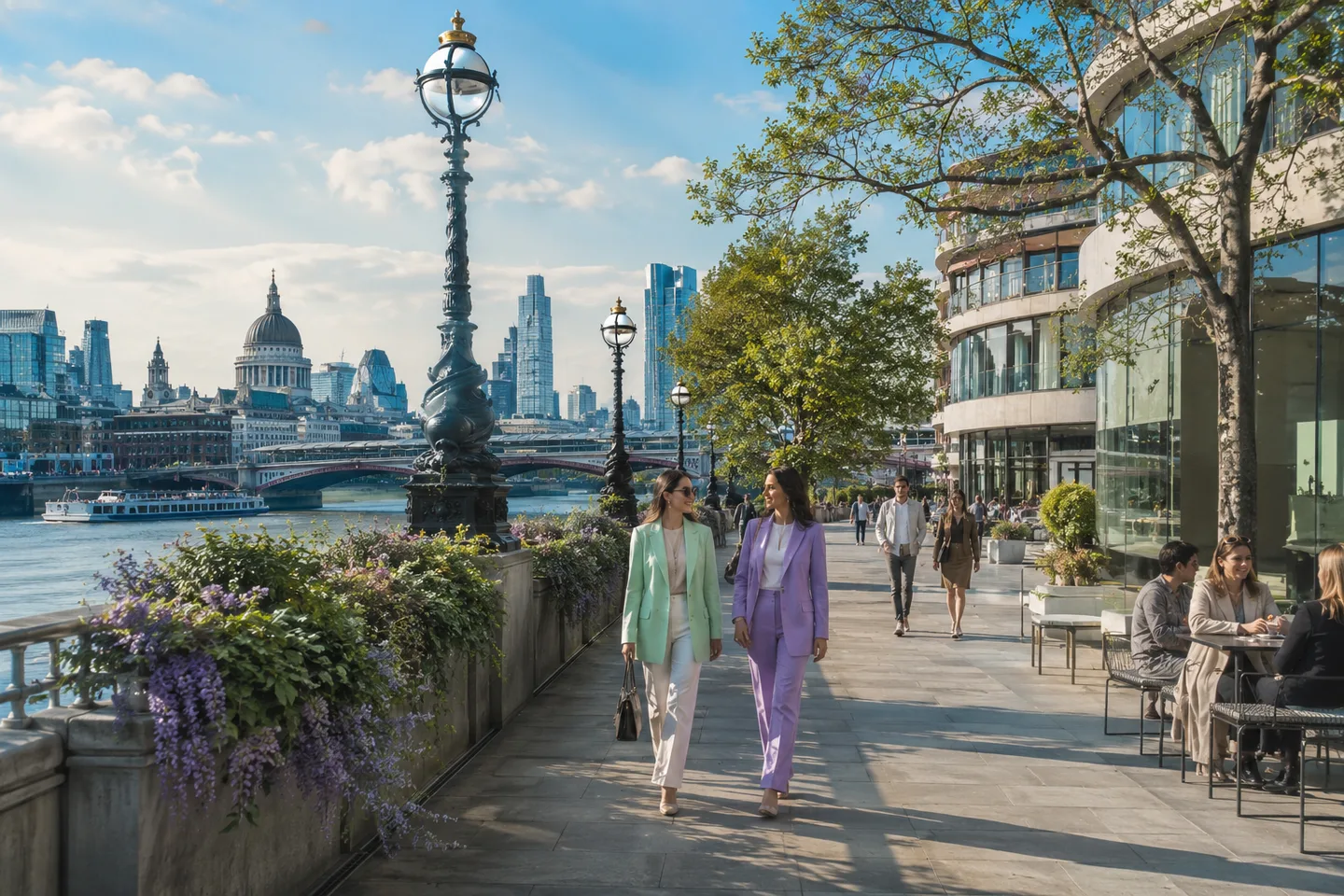
South Bank + Bankside
Central London · Step-free-first candidate
- 1
National Theatre terrace
20 min · Outdoor · Free
- 2
Tate Modern collection
90 min · Indoor · Free
- 3
Thames Path east
45 min · Outdoor · Free
Start with time, not fame
A three-hour window needs one district. A full day can support two nearby anchors. Travel time, queues and meals belong in the plan.
Choose a London mode
Culture, food, family, parks, shopping and neighbourhood discovery each produce a different route. Begin with one mode and add contrast only nearby.
Use booking as the spine
Place one timed ticket at the centre, then surround it with flexible free stops. This protects the day when capacity or weather changes.
Verify every moving part
Use official opening, booking, accessibility and transport sources. Lists age quickly; the venue controls the final information.
Use neighbourhood clusters
South Kensington, Greenwich, South Bank, Bloomsbury, the City and Shoreditch each support several hours without a long transfer. Choose the cluster first, then rank the stops inside it.
Design for a real finish
Leave margin for food, tiredness and the last journey. A plan that ends comfortably after three strong experiences is better than an eight-stop checklist completed through station corridors.
Choose by the decision you need to make
“Things to do” is too broad until the day has constraints. Start with the available time, the part of London, indoor or outdoor preference, group needs and a realistic spend. A two-hour gap calls for one compact neighbourhood; a full day can support one timed attraction and two flexible stops. Use Today for immediate availability, Weekend for a two-day view, Free for a £0 admission plan and Areas when location matters more than category.
Build one London cluster
Treat London as connected neighbourhood clusters rather than a single attraction list. South Bank and Bankside combine river walking, major cultural buildings and Borough Market; South Kensington groups national museums; Greenwich combines park, maritime collections and riverside; the West End joins theatre, galleries, shopping and food. Keeping the plan inside one cluster reduces transfers, protects time and makes a late-running visit easier to absorb.
Reserve only the fragile part
Book the experience most likely to sell out or require a timed arrival, then leave the rest of the route flexible. Record the exact entrance, start time, late-arrival rule and cancellation terms. “Free” can still require a timed ticket. Do not fill every hour with reservations: queues, weather, exhibitions and meals rarely follow a perfect spreadsheet.
Make the day resilient
Pair an outdoor idea with an indoor alternative in the same area. Check TfL shortly before leaving, and check the organiser for temporary closures, access changes or sold-out sessions. For step-free travel, children, older visitors or sensory needs, plan the route between stops—not only the destination. A good London day still works when one element changes.