 LONNOW.COM
WHAT’S ON
London itinerary planner: build a focused day
Filter eight editorial sample routes by interest, time, group, budget, indoor-led preference and step-free-first candidates. Inspect estimated stop durations, a map and the live transport checkpoint.
Build a London day that fits.
Six choices, a sample route that respects them. Times are planning allowances, not opening hours or a live itinerary.

South Kensington science loop
West London · Step-free-first candidate; verify the complete route
- STOP 11
Science Museum focus route
Allow ≈90 min · Indoor · Free
- STOP 22
V&A collection
Allow ≈75 min · Indoor · Free
- STOP 33
Exhibition Road lunch
Allow ≈60 min · Indoor · Choose spend
- STOP 44
Hyde Park edge
Allow ≈45 min · Outdoor · Free
About this guide and its source checks
Start with the real constraint
Choose the time available, who is travelling, the core budget and whether the day needs a rain-proof or step-free-first shortlist.
The planner ranks routes around those constraints instead of producing a generic list of famous places.
On this page
Why compact wins
A strong London route keeps stops inside one walkable cluster.
The result separates activity time from walking time, estimates the core spend and shows fewer stops when only three hours are available.
Use the stop list as a decision aid
Each stop carries an estimated duration, indoor or outdoor signal and cost type.
Fixed clock times have been removed: these are sample plans, not confirmed opening hours or reservations. Activity durations plus the full walking allowance must fit the selected time; add travel to the first stop, queues and breaks separately.
Book only the anchor
One timed booking creates structure.
Keeping the other stops flexible makes the day resilient to queues, weather and energy. The route map and area guide help replace a stop without starting another cross-city journey.
Accessibility needs a live check
Step-free-first removes routes with obvious access uncertainty, but it is not a guarantee that every pavement, entrance, lift or platform is available.
Use TfL accessibility tools and the individual venue page before departure.
Recheck before departure
Opening, tickets, engineering work and weather can change.
Copy the route, verify the essential venue, then open TfL Journey Planner for the current street-to-street trip. Before starting the route, use Oyster vs contactless to choose a suitable payment method and keep any special-service fares separate from the planner’s activity allowance.
Use realistic transfer blocks
Include the walk to the station, waiting, interchange and the final entrance.
Two attractions in adjacent districts can still need forty minutes door to door at a busy time.
Save the plan offline
Keep the booking reference, addresses, accessibility notes and final route available without signal.
Share the meeting point with the group before entering a large venue.
Continue exploring
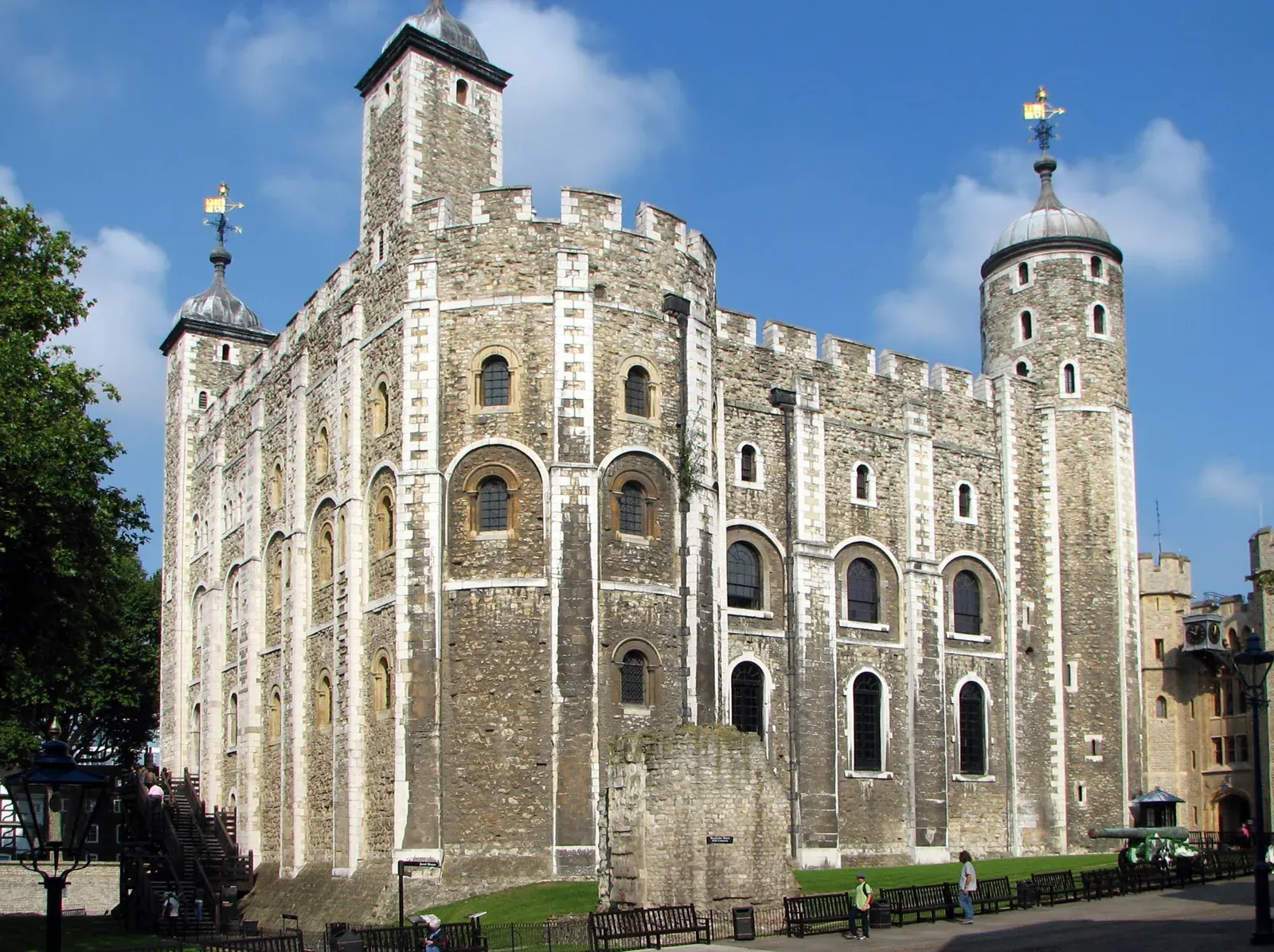
London in 3, 4 or 5 days
Choose a multi-day first-visit route.
London events by area: build a day with less travel
London works better in clusters. Choose one event anchor, then add food, culture or green space within the same part of the city.
Best London parks by need: views, children, picnics and parking
The best London park changes with the day. Compare the capital’s major green spaces by scenery, children’s play, picnic fit, walking load, parking and the easiest public-transport approach.