WHAT’S ON
London events by area: build a day with less travel
London works better in clusters. Choose one event anchor, then add food, culture or green space within the same part of the city.
- Decision points
- 7 useful sections
- Reading time
- 2 minutes
- Source checks
- 1 named checkpoint
- Last reviewed
- 12 SEPTEMBER 2026
South Bank and Bankside
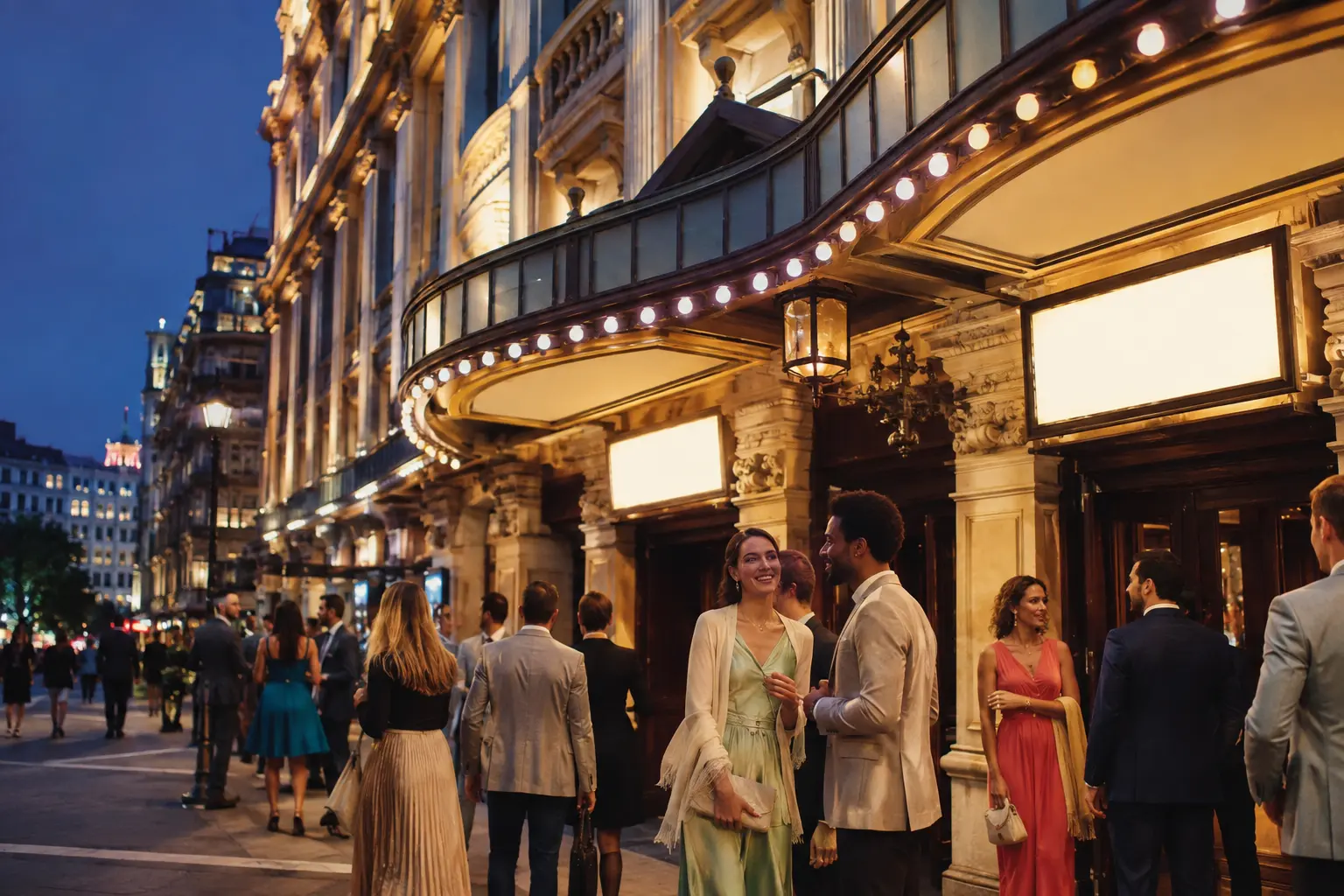
Film, literature, visual art, theatre and riverside programmes sit close enough for a resilient day. Check whether the event is at BFI Southbank, Southbank Centre, National Theatre or another nearby venue.
Royal Docks and ExCeL
Large exhibitions and technology events need precise hall, entrance and registration details. Elizabeth line, DLR and cable-car options serve different points; use the organiser’s travel page.
Central London
Trafalgar Square, the West End, Soho and museum districts can support walking connections, but crowding and timed entry make an overfilled plan fragile.
River and neighbourhood festivals
Thames-wide and borough programmes may span many miles. Select one named event and district rather than treating the whole festival as a single venue.
Choose the area before the attraction
Start with the part of London that fits the available time, arrival station and group energy. South Bank, Greenwich, South Kensington, the City and the West End each support several useful stops without a cross-city transfer. A strong half-day usually combines one timed anchor with two flexible nearby options, food and a clear route home. This approach protects the day when a queue, weather change or sold-out session removes the first choice.
Read distance as walking time
Two events can share an area label and still sit thirty minutes apart once river crossings, station exits and large venues are included. Open the exact venue pin, identify the public entrance and compare the real walking route before combining listings. For children, mobility needs or a late finish, reduce the number of stops and prioritise a continuous route with toilets, seating and an indoor fallback.
Use the live layer on the day
City-wide listings are a starting point, not a guarantee that every session is operating. Recheck the organiser, transport status and any timed-entry condition on the morning of the visit. LONNOW removes completed dated content from active discovery, but a venue can still change capacity, access or performance times. Save one untimed public-space alternative in the same district so the journey remains useful.