 LONNOW.COM
GETTING AROUND
Oyster vs contactless in London: which should you use?
A compatible contactless card is convenient for adult pay-as-you-go travel; Oyster can be the better fit for stored credit or eligible discounts. Check each child separately, keep the same payment identity and use the fare window for your actual visit.

THE SHORT ANSWER
Choose a payment method for each person
For many adults, a compatible contactless card is the easiest place to start; check an overseas card with its issuer. Choose separately for children and anyone needing a discount. Each paying traveller needs their own card or device, kept consistent from the first touch to the last.
Your 3-step checklist
Tick these off as you plan. This list is not saved when you leave the page.
Contactless is immediate
An eligible card or device can be used without topping up.
Overseas card charges and card acceptance depend on the issuer.
The current check, before you travel
Source checked · Europe/London. This check covers the rules below; older dated comparison rows retain their own check dates.
Source review needed. This planning check is older than seven London days or unavailable. Older event checks are excluded below; verify current details with the linked organisers.
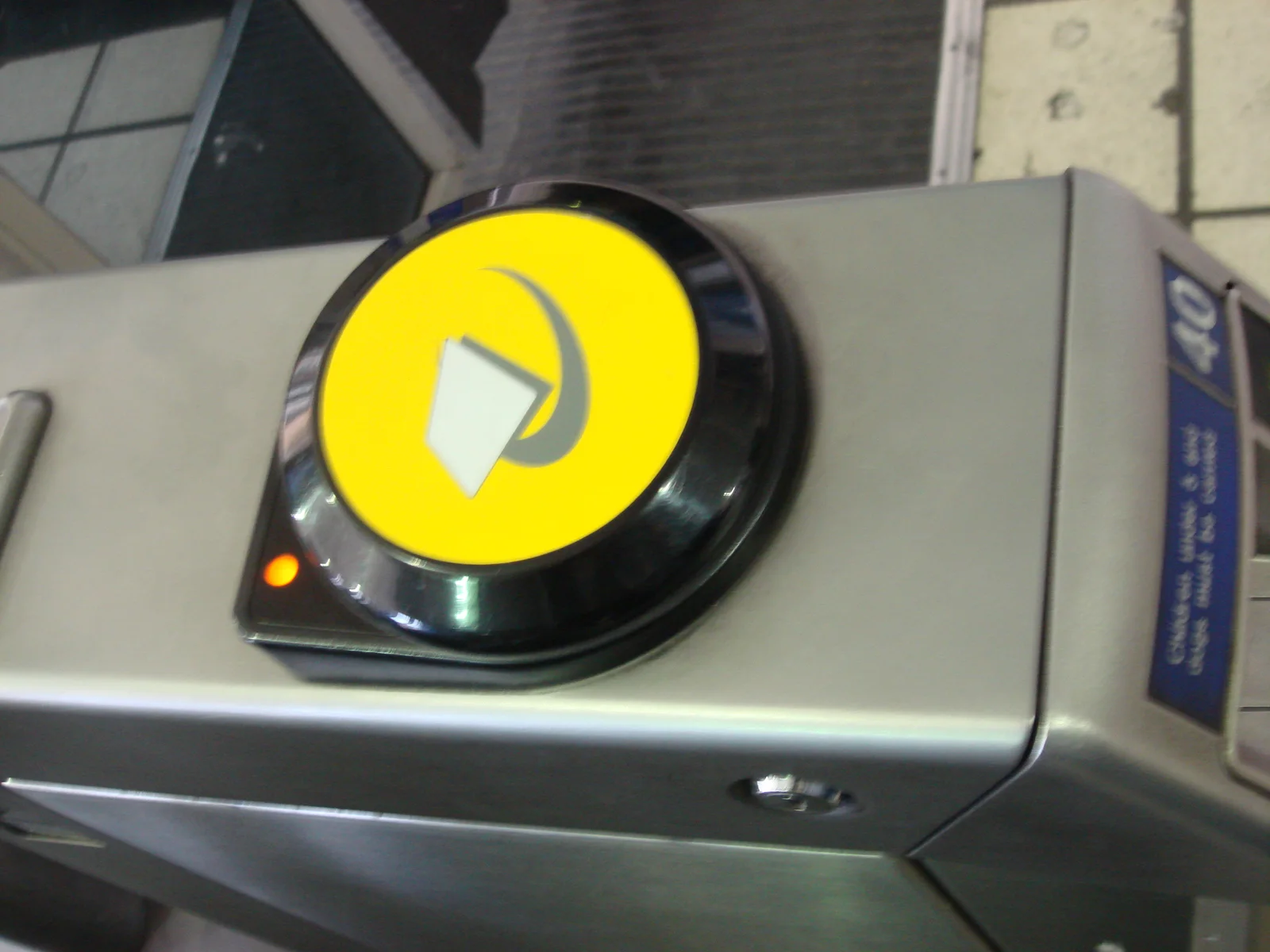
Keep the same card or device for your touches. Tube and rail pay-as-you-go journeys need touch-in and touch-out; buses and trams need touch-in only. A bank card and its phone-wallet version are separate travel identities.
Checked adult daily cap examples are £8.90 for Zones 1–2, £10.50 for Zones 1–3 and £16.30 for Zones 1–6. These are ceilings for eligible journeys, not a flat charge or a promise that every airport train is included. The fare day runs 04:30–04:29.
Bus/tram-only adult fares are currently £1.75 single and £5.25 daily cap. TfL announces £1.85 single and £5.55 daily cap from 1 November 2026. Keep the travel date attached to the price.
Official payment instructions ↗ · Current caps ↗ · Bus fare change ↗
THE PLAN AT A GLANCE
The person, the payment, the journey
Choose separately for each traveller. A shared bank account does not make cards and devices interchangeable.
- 01
Who is travelling?
Check age, eligibility and the actual services before assuming a discount.
- 02
One payment identity
Keep the same card or device for journey matching and capping.
- 03
Follow the tap rules
Use the rule for that service; check incomplete journeys rather than guessing the fare.
LONNOW PLANNING DESK
Choose by the traveller, then check the fare window
For an adult with a compatible card, contactless avoids setting up another travel card. Oyster remains useful for stored credit and eligible discounts. A child’s bank card does not automatically receive a child fare.
| Traveller or journey | Recorded rule or price | How to use the information | Sources and last checked |
|---|---|---|---|
| Adult: central-London travel | TfL’s 2026 adult table lists daily PAYG caps of £8.90 for Zones 1–2, £10.50 for Zones 1–3 and £16.30 for Zones 1–6. | Choose the zones your actual journeys pass through. A cap is a ceiling for eligible completed journeys, not an amount everyone pays. Two adults each reaching the Zones 1–2 cap total £17.80 before excluded services or bank costs. | Checked . |
| Children aged 5–10 | Up to four children can travel free with an eligible accompanying adult on the Tube, DLR, London Overground and Elizabeth line under TfL’s stated conditions. | Do not extend that rule to every National Rail or airport product. Check the operator for the whole trip; the discount arrangements for an 11-year-old are different. | Checked . |
| Visiting children aged 11–15 | Staff can add the Young Visitor discount to an Oyster or Visitor Oyster card for a visit of up to 14 days: 50% off the stated adult-rate PAYG fares and daily caps. | The child must be present when the discount is added. Check the official locations and applicable services; do not confuse this visitor arrangement with applying for a Zip photocard. | Checked . |
| Bus/tram: before 1 November 2026 | Adult PAYG single/Hopper £1.75; bus-and-tram daily cap £5.25. The Hopper applies to qualifying journeys within one hour using the same card or device. | If two adults each reach this bus/tram-only cap, the reference total is £10.50. Adding Tube or rail travel changes the calculation. This is not the rate to use for a November visit. | Checked . |
| Bus/tram: from 1 November 2026 | TfL announces an adult PAYG single of £1.85 and daily bus/tram cap of £5.55 from 1 November 2026. | Two adults each reaching that bus/tram-only cap total £11.10. Select the travel date before budgeting; October and November examples are not interchangeable. | Checked . |
| Airport and premium rail journeys | Heathrow Express and Southeastern high-speed services are excluded from the quoted caps and Travelcards. Heathrow Tube/Elizabeth line journeys involving Zone 1 attract peak fares. Stansted Express accepts contactless PAYG to the airport, but not Oyster. | Check the actual product and route before adding it to a sightseeing-day cap. A payment card being accepted does not prove that the service is included in a cap or that a child discount applies. | Checked . |
| Each paying traveller | Use a separate card or device for each person, and keep that same payment identity for the journey. A phone, watch and physical card are not interchangeable. | Touch in and out on rail even when gates are open. On ordinary bus and tram journeys, touch in only; check TfL’s Wimbledon tram exception if relevant. | Checked . |
- Visitor-card cost checked
- 26 October 2026 · other fare rows retain their own check dates
On this page
Oyster is controlled
Oyster uses stored credit and can suit travellers without a compatible card.
Some discounts can be linked to eligible Oyster cards.
Never mix devices
Touch in and out with exactly the same card or device.
Switching between a phone, watch and physical card can split the journey and increase the fare.
Check before choosing
Airport journeys, concession eligibility and the length of your stay can change the best answer.
Use TfL’s current fare guidance.
Choose by eligibility, not habit
Contactless is convenient for many adults, but an Oyster card can be necessary to hold certain concessions or discounts.
Visitors should also check foreign transaction charges and whether their issuer supports transport payments reliably. Families must plan separately for each traveller because one payment card cannot be passed between people making the same journey.
Confirm current age and concession rules before travel.
Keep payment identities separate
A physical bank card, the same card in a phone wallet and a watch are treated as different payment methods.
Use one consistently from touch-in to touch-out and across journeys that should count towards the same cap. If a device battery may fail, choose the physical card for that day.
The same discipline applies when several cards look identical in a wallet.
Check special journeys
Airport rail links, river services, cable transport and travel beyond the main fare zones may use different prices or rules.
Do not assume a daily cap covers every service marketed as part of London transport. Compare the exact route on TfL or the relevant operator’s official site, especially when travelling with railcards, children or a time-sensitive flight connection.
A worked day is not a compulsory charge
Suppose two adults make enough eligible Zones 1–2 journeys to reach the quoted £8.90 daily cap each: the combined reference total is £17.80.
Fewer journeys may cost less. A separately charged airport service, an incomplete journey or a bank charge is not silently absorbed into this illustration.
For a bus/tram-only day, the two-adult cap reference changes from £10.50 to £11.10 on 1 November 2026. Keep the date and the services consistent when comparing a plan.
Before tapping with children or an overseas card
Decide who needs their own paid travel identity and who meets a specific accompanied-child rule.
For a visiting 11–15-year-old, arrange the eligible Oyster discount with staff rather than assuming a bank card knows the child’s age. With an overseas card, check acceptance and the bank’s own exchange or transaction terms; this guide does not calculate those charges.
Keep a usable fallback and enough battery if relying on a phone, without switching devices halfway through the same journey.
Avoid an incomplete journey
Keep the selected card outside a wallet containing other payment cards when using the reader.
Rail gates being open is not a reason to skip the touch. TfL says an incomplete journey may attract a maximum fare that does not count towards capping.
Check the recorded journey before treating an unexpectedly large charge as the price of your route, and follow TfL’s current correction or refund process. Do not tap a different card to try to complete a journey begun on your phone.
Visitor Oyster: include the card cost
TfL’s Visitor Oyster page lists a £10.50 card charge plus postage, separate from the travel credit you choose.
The card charge is not refunded with unused credit. Before ordering, compare this setup cost with using a compatible contactless card you already have.
Check your bank’s foreign-transaction terms separately. A souvenir or visitor offer is not proof that the card gives the cheapest transport for your trip.
Questions, answered
Does contactless automatically give a visiting child a discount?
No. The Young Visitor arrangement is added to an eligible Oyster or Visitor Oyster card by staff; check the official age, duration and service rules.
Is £8.90 what every adult pays daily?
No. It is the quoted adult Zones 1–2 daily PAYG cap for eligible travel, not a compulsory daily charge or an all-service pass.
Which bus price applies in November?
TfL announces £1.85 adult PAYG single and £5.55 bus/tram daily cap from 1 November 2026. Earlier October examples use the separate existing tariff.
Can I mix a bank card and its phone wallet?
Keep the same card or device throughout the journey and day. Sharing an underlying bank account does not make different payment identities interchangeable for journey matching and capping.
Continue exploring

Gatwick to London
Victoria is not the right arrival for every hotel. Compare the Southern and Thameslink corridors before buying.
Heathrow to London
Choose the London station you actually need, not simply the train with the shortest advertised journey.
London airport transfers: choose your route into the city
Choose the London station that actually serves your hotel, then compare the full party and journey. This six-airport guide separates published rail legs and conditional fares from terminal transfers, waiting and the last mile.