 LONNOW.COM
LONDON GUIDE
London in 3, 4 or 5 days: a first-visit itinerary
Three days cover a strong first visit. A fourth gives you space for a neighbourhood; a fifth can add a day out or simply let London breathe.
Choose your version before booking
Use days one to three as the core.
Add the fourth for a slower local day and the fifth only when your transport, accommodation and energy allow it. These are our suggested days, not packaged tours with a fixed start time.
An arrival afternoon or departure morning should not count as a full sightseeing day. Put booked attractions into the plan first and move flexible walks around them.
Before fixing those days, compare where to stay in London so the accommodation supports your repeated journeys rather than only the first airport transfer.
- Plan type
- Self-guided editorial suggestions; rearrange around confirmed bookings
- Tickets and access
- Check each official venue page for your travel date
On this page
Choose your three, four or five days
Count full sightseeing days, not an arrival afternoon or departure morning. Put confirmed bookings first and keep nearby stops flexible.
| Time available | Build the visit around | Keep flexible |
|---|---|---|
| 3 days | Westminster and the West End; the Tower and Bankside; museums and Covent Garden. | Choose one main visit each day rather than booking every landmark. |
| 4 days | The three-day core, then Greenwich or Shoreditch and Spitalfields. | Choose one neighbourhood, or recover a missed priority; do not treat both areas as compulsory. |
| 5 days | Add another London day or one day trip to the four-day plan. | An out-of-town trip replaces a city day, rather than fitting between London bookings. Compare the return journey first. |
Day one: Westminster and the West End
Begin with the exterior views around Parliament Square, then use St James’s Park and the Buckingham Palace area as the outdoor part of the day.
Choose one substantial interior visit rather than booking several landmarks back to back. Finish around Trafalgar Square or the West End.
The National Gallery’s general collection is free; its paid exhibitions are separate. A theatre evening fits only if you still have time for food and the return journey.
Day two: the Tower and Bankside
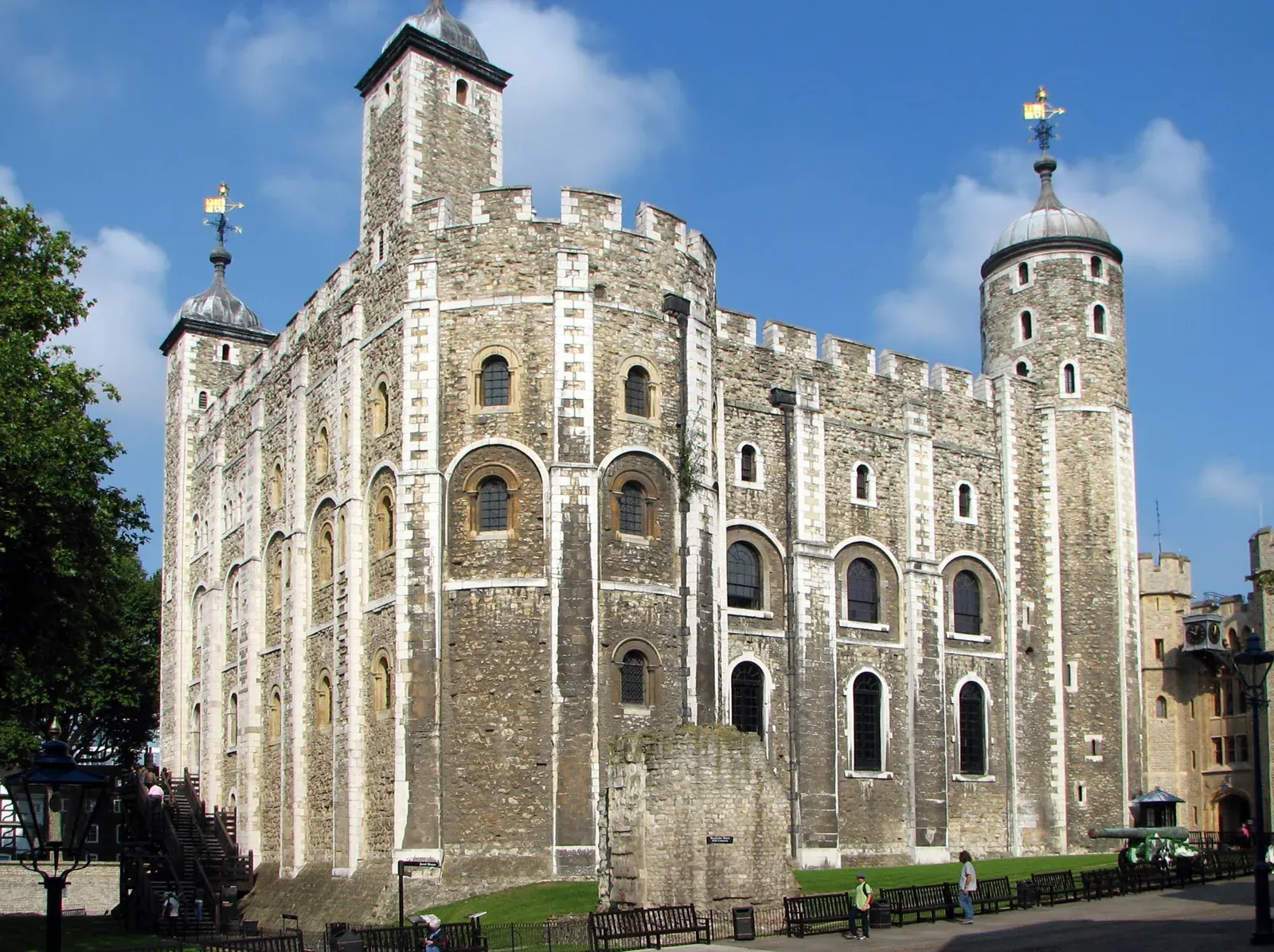
Make the Tower of London the main paid visit if royal history is a priority.
Keep Tower Bridge as a separate decision: seeing its exterior and entering the attraction are different experiences. Afterwards, choose a river-facing walk or one Bankside cultural stop.
Do not treat every bridge, market and gallery as a compulsory checkpoint. A wet day can become a focused indoor visit followed by a meal, without losing the point of the route.
Day three: museums and Covent Garden
Choose a museum or gallery theme that interests your group, then leave the afternoon for Covent Garden and nearby streets.
Art lovers might spend longer at the National Gallery; another group might prefer a museum morning elsewhere and an unhurried West End afternoon. Free admission is not a promise of immediate entry.
Check booking, bag rules, current entrances and any access requirements before deciding which attraction anchors the day.
Day four: Greenwich or an east London neighbourhood
Choose Greenwich for a maritime and park-led day, or Shoreditch and Spitalfields for streets, shops and food.
These are alternatives, not two halves of the same checklist. Follow the relevant area guide for the actual places you want to see.
If your third day ran late, use this fourth day to recover a missed priority rather than adding more travel. A good itinerary is allowed to change.
Day five: stay in London or take one day trip
With five days, decide whether a train trip would add something your London days lack.
Windsor, Oxford or another destination should replace a city day, not get squeezed between London bookings. Alternatively, repeat a favourite district, try a market or make a family museum day less rushed.
Compare the return journey before purchasing a timed attraction ticket outside London. Our day-trip guide helps separate a realistic outing from an exhausting transfer.
Make the route work for your group
Save one primary booking, one meal option and one flexible stop for each day.
Plan transport from your accommodation rather than a generic central starting point. Check TfL with the date and access preferences you will use.
October and winter plans need a shorter outdoor fallback; galleries and meals can carry the day when a long riverside walk stops being enjoyable. Prices, entry conditions and service changes belong to the official pages linked below.
Keep arrival and departure outside the sightseeing allowance, and compare London airport transfers using the terminal, luggage and accommodation address rather than a generic city-centre pin.
Does arrival day count as one of your London days?
Count usable hours rather than hotel nights.
An arrival afternoon after a long flight is different from a full sightseeing day. Before buying the first timed ticket, allow for border control, baggage, the transfer and what your accommodation actually permits before check-in.
None of those durations is guaranteed here. Keep that first day close to your base, with a meal and one flexible activity.
Put the attraction you would be most disappointed to miss on a day that does not depend on an uncertain arrival.
Build a booking order, not a race across the map
Write down each must-do visit, its actual entry window, cancellation terms and the part of London it occupies.
Book the most constrained confirmed item first, then arrange nearby optional stops around it. For example, a hypothetical 14:00 entry should determine when you stop the morning activity; it is not an invitation to fit another paid visit into every gap.
Leave a separate interval for food and travel. These are planning suggestions, not measured walking times or reservations.
If two bookings compete, remove one before paying rather than relying on the fastest possible connection.
Make the extra day answer one question
Use a fourth or fifth day to deepen an interest or visit a different area, not to repair an impossible first three days.
Ask whether the group wants another museum, a neighbourhood walk or a separately planned day trip. Compare the complete return journey and admission conditions before choosing.
A hotel night does not guarantee a full departure day: check luggage collection and work backwards from your actual flight or train. The shorter version should still feel complete without purchasing every optional extra.
Test the route against the person who needs the most margin
TfL’s accessible journey tools let you choose departure time and preferences such as fewer changes or less walking.
Check the exact station, interchange and final entrance rather than treating a step-free symbol as confirmation of the whole day. An indoor attraction can still involve outdoor travel.
Agree a point where the group can shorten the plan, and use the rainy-day guide for a nearby alternative instead of automatically adding another cross-city trip.
Questions, answered
Is three days enough for a first visit?
It is enough for a focused introduction, especially when you choose one main attraction each day. Four or five days allow more neighbourhood time or a day trip.
Should I buy a sightseeing pass?
Compare the specific attractions you will actually enter, their current standalone prices and the pass conditions. Exterior views and free collections do not create ticket savings.
Can I use the plan with children?
Yes, reduce the number of indoor visits and keep meals, rest and a nearby outdoor stop flexible. The family route offers a slower alternative.