Constantine
His connection is to Roman York, centuries before the current Minster.
LIVE Independent London intelligence · checked today
North Yorkshire · North / ENGLAND GUIDE
An empire beneath the cathedral.
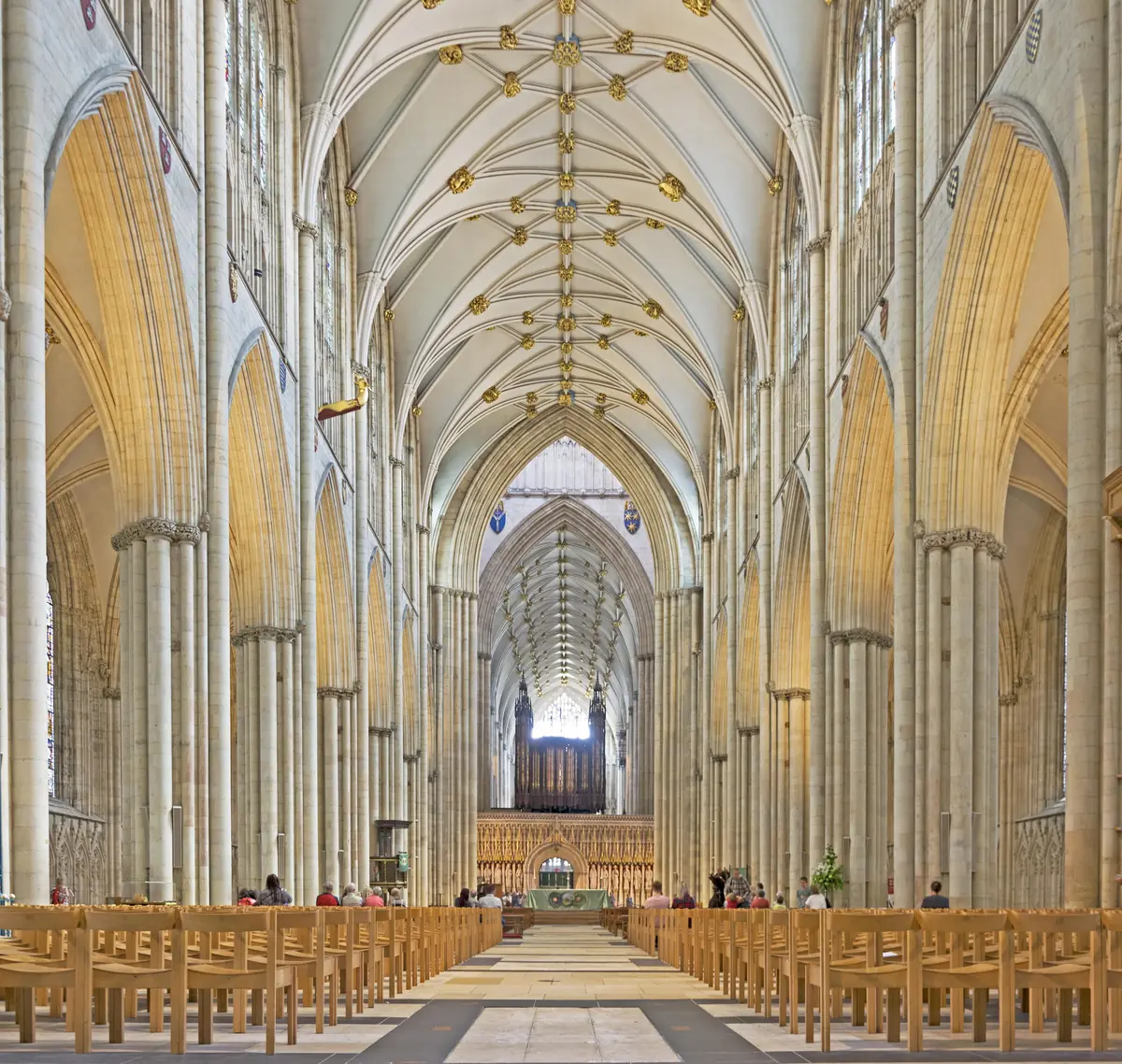
In York, the most revealing journey can be straight down: from soaring medieval stonework to the traces of the Roman city beneath it.
01 / THE PLACE BEHIND THE POSTCARD
Look a little closer.
The details change the visit.
York Minster’s most unexpected story begins with a structural problem. During work in 1967–72 to secure the central tower, archaeologists gained access beneath the cathedral. They uncovered evidence of Roman barracks and earlier layers of the site. The Undercroft makes the building above feel like one chapter in a much longer history.
The Roman city was called Eboracum. Constantine was proclaimed emperor in York in 306, long before the cathedral visitors see today. A reconstructed Roman column outside the Minster offers a useful physical link between that earlier world and the present square.
Medieval York has its own cast. Edward III married Philippa of Hainault in the Minster in 1328. John Thornton worked on the Great East Window from 1405 to 1408. Royal ceremony and the craft of an individual glassmaker belong in the same visit: one explains the building’s status, the other rewards close looking.
Explore the historical sources ↓02 / THROUGH TIME
A historical sequence, not a timeline drawn to scale.
Constantine is declared emperor in York.
Edward III marries Philippa of Hainault in the Minster.
John Thornton creates the Great East Window.
Emergency engineering enables archaeological excavation.
03 / THE HUMAN CONNECTION
Residents, makers, visitors and patrons: each card explains the connection.
His connection is to Roman York, centuries before the current Minster.
Their 1328 wedding places the cathedral in the history of royal ceremony.
Look for the human labour behind the cathedral’s monumental scale.
04 / WHEN YOU GET THERE
Follow the long view through the building, then stop to compare stonework and the changing light.
Treat the glass as storytelling. Use the cathedral’s interpretation to identify scenes instead of reading it as decoration alone.
Go below the cathedral to connect archaeological remains with the building overhead.
05 / A SIMPLE VISIT SEQUENCE
An editorial itinerary to adapt to your entry slot, interests and energy. Check each attraction’s access separately.
Find the Roman column and take in the building from outside.
Make time for the nave, glass and interpretation.
Follow the archaeological story below the main floor.
Continue into the historic centre with time for food and a relaxed walk.
06 / TURN THE STORY INTO A VISIT
Check opening times, admission, access and availability directly with York Minster. Book your main attraction first, then build the rest of your trip around it.
Official attraction website · Tickets and transport are separate unless the selected product says otherwise.
07 / BEFORE YOU SET OFF
His proclamation belongs to Roman York. The building you visit today developed much later; the archaeological layers help explain the difference.
It is especially rewarding if you want to understand what occupied this site before the medieval cathedral. Check the visitor arrangements for your date.
Historical facts checked against the institutions below on 22 September 2026. Routes and suggested pace are LONNOW editorial recommendations; opening arrangements can change.
NEXT / KEEP EXPLORING
 01 / ENGLAND
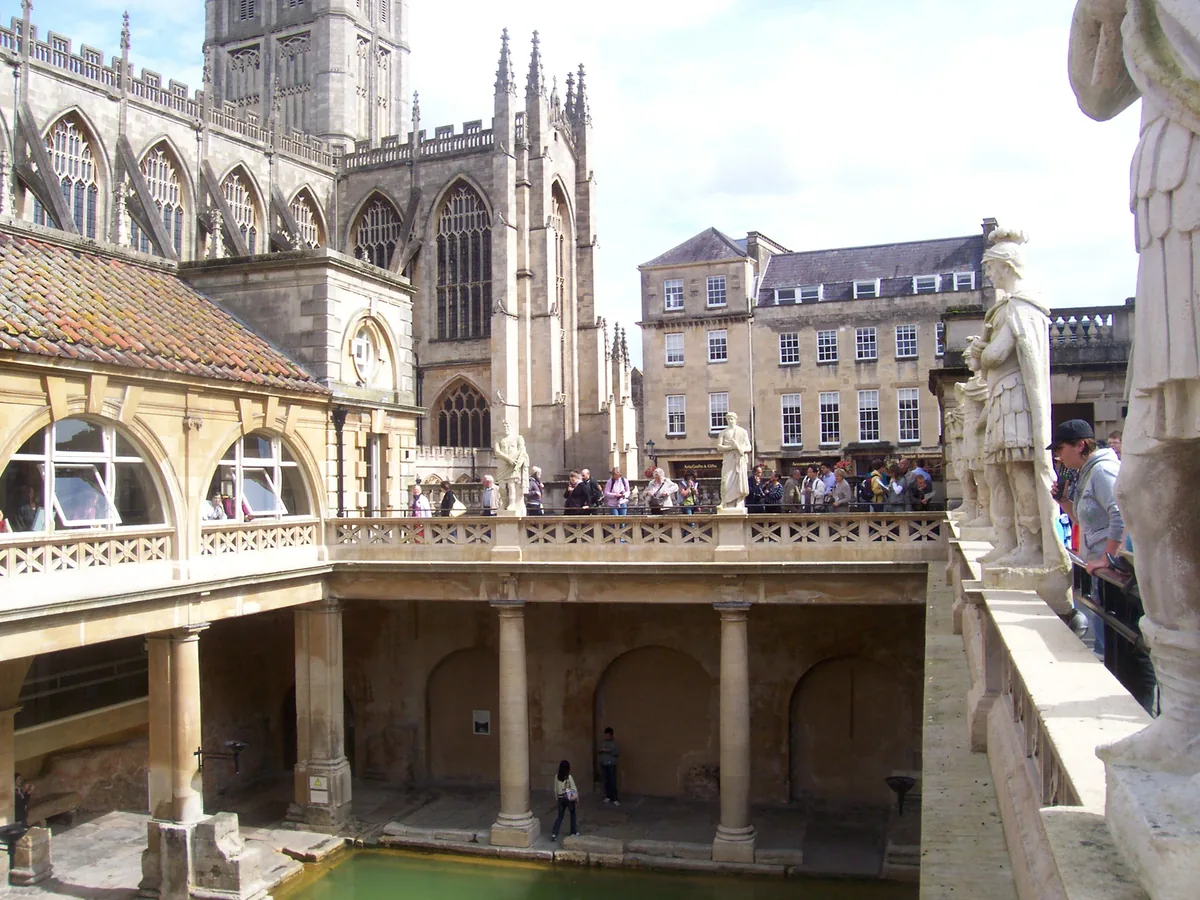
Roman water. Georgian streets.
 02 / ENGLAND
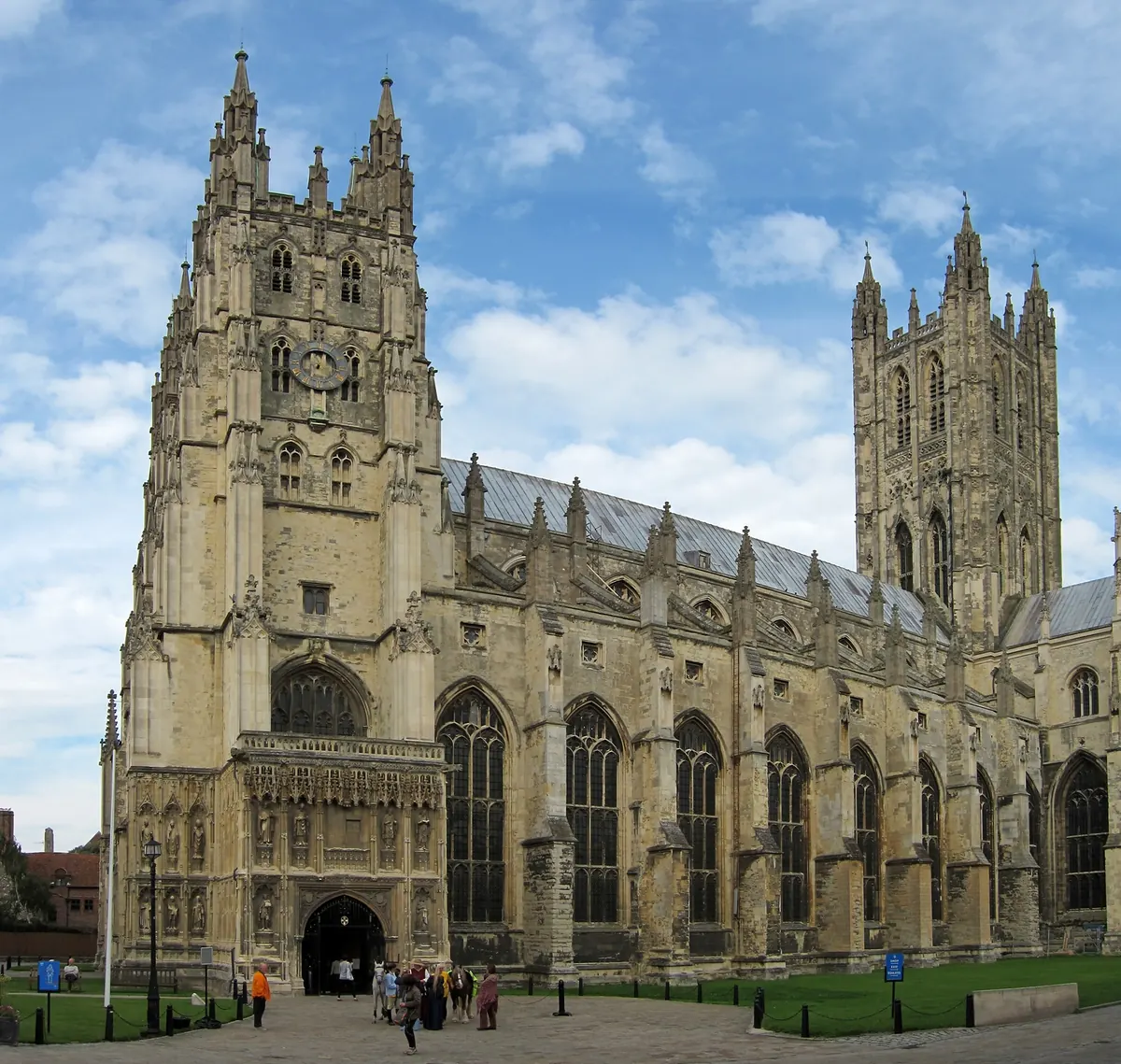
A journey shaped by pilgrimage.
 03 / ENGLAND
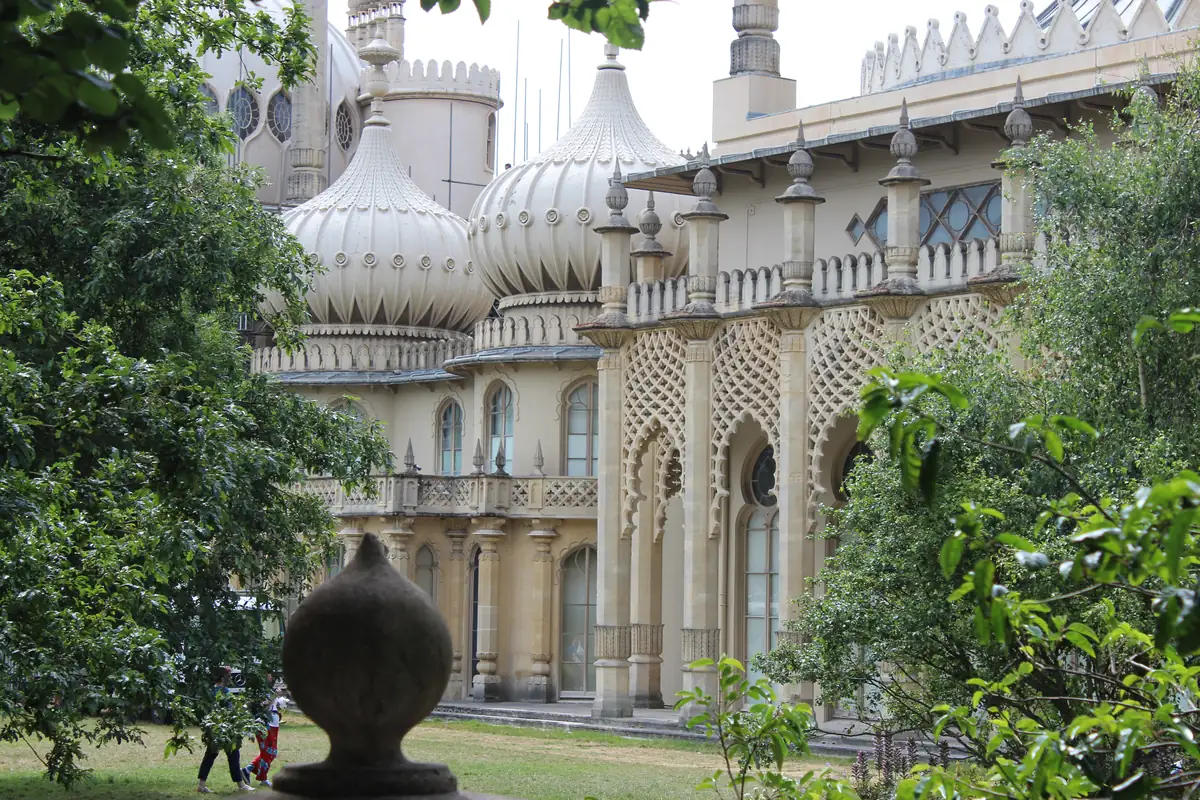
A royal fantasy beside the sea.