Jane Austen
Her years here connect a city visit with the social world of her fiction.
LIVE Independent London intelligence · checked today
Somerset · South West / ENGLAND GUIDE
Roman water. Georgian streets.
Start beside a sacred spring, then step into the city Jane Austen knew. Bath makes two very different Englands feel remarkably close.
01 / THE PLACE BEHIND THE POSTCARD
Look a little closer.
The details change the visit.
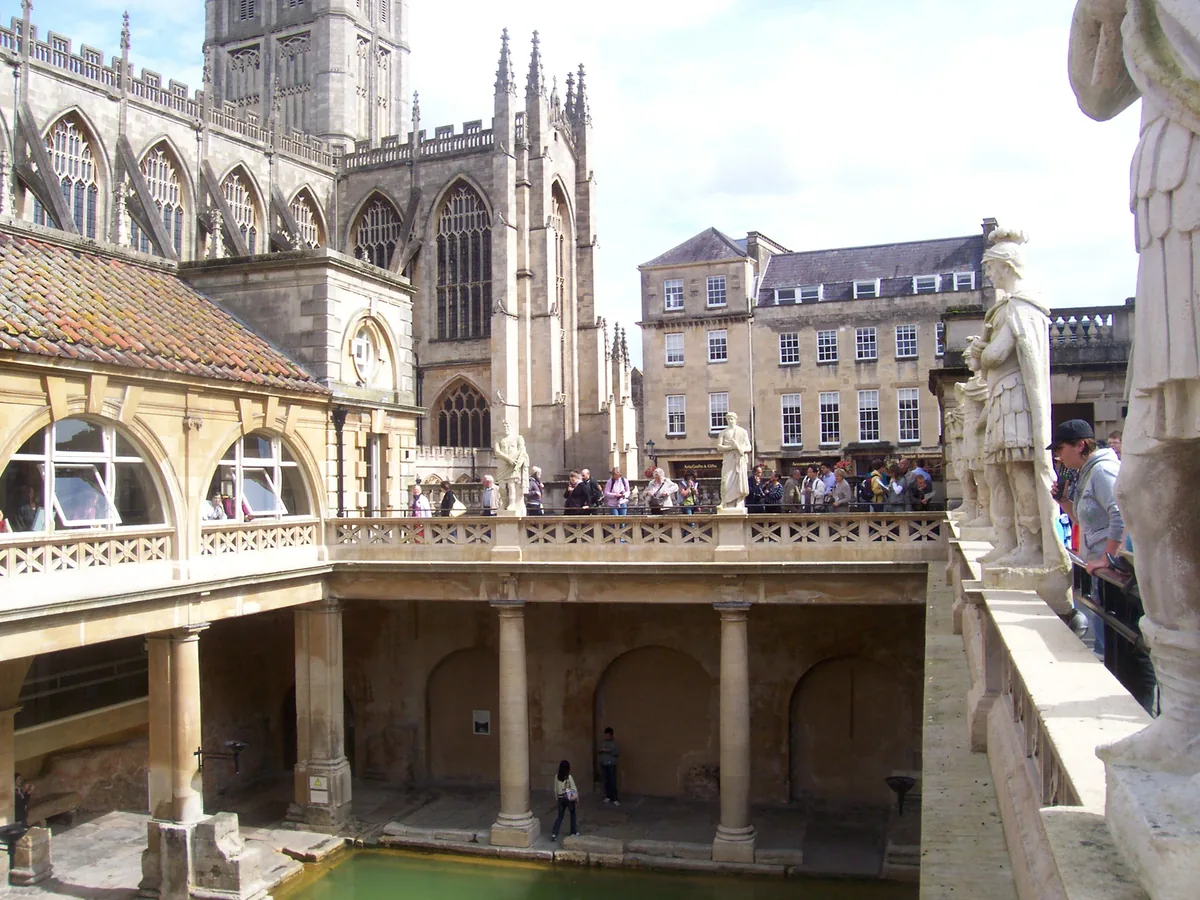
Before the crescents and the fashionable promenades, there was the spring. The Roman sanctuary brought bathing and worship together around Sulis Minerva. Looking at the Great Bath, imagine a place where daily routines, religious hopes and public life met. The surviving temple fragments make that connection tangible.
Bath’s past is also a story of rediscovery. Minerva’s bronze head came to light in 1727; the baths were uncovered in 1880. The familiar view is therefore both ancient archaeology and a later way of presenting it. Look down towards the water, then up towards the city: you are seeing different periods in the same frame.
Jane Austen lived in Bath between 1801 and 1806. That connection offers a second way to explore: turn from the Roman site to the streets, addresses and social spaces of the Georgian city. A literary walk works best when you distinguish a writer’s real home from the places inhabited by fictional characters.
Explore the historical sources ↓02 / THROUGH TIME
A historical sequence, not a timeline drawn to scale.
Bathing and worship share a site dedicated to Sulis Minerva.
Minerva’s head is discovered.
Jane Austen lives in the city.
The Roman baths are rediscovered.
03 / THE HUMAN CONNECTION
Residents, makers, visitors and patrons: each card explains the connection.
Her years here connect a city visit with the social world of her fiction.
The spring and temple tell a collective story of belief, rather than a single famous visitor.
04 / WHEN YOU GET THERE
Begin with the scale of the pool and the relationship between water and surrounding buildings. Pause at more than one viewpoint before continuing.
Look for the surviving architectural pieces and the interpretation of Sulis Minerva. These explain why the complex was more than a bathing facility.
Use the official literary guide to choose an Austen connection, then leave time to enjoy the streets between stops.
05 / A SIMPLE VISIT SEQUENCE
An editorial itinerary to adapt to your entry slot, interests and energy. Check each attraction’s access separately.
Make this the anchor of the day; choose an entry slot first.
Pause outside the neighbouring Abbey and look back at the changing skyline.
Walk towards the Circus and Royal Crescent at your own pace.
Choose a literary stop from the tourism board’s guide rather than trying to visit every address.
06 / TURN THE STORY INTO A VISIT
Check opening times, admission, access and availability directly with Roman Baths. Book your main attraction first, then build the rest of your trip around it.
Official attraction website · Tickets and transport are separate unless the selected product says otherwise.
07 / BEFORE YOU SET OFF
Start with Roman Baths admission if it is your main reason for visiting, then arrange the rest of the day around it.
A combined trip suits a broad introduction. Choose a dedicated Bath day if you want time for the museum, architecture and literary connections.
Historical facts checked against the institutions below on 22 September 2026. Routes and suggested pace are LONNOW editorial recommendations; opening arrangements can change.
NEXT / KEEP EXPLORING
 01 / ENGLAND
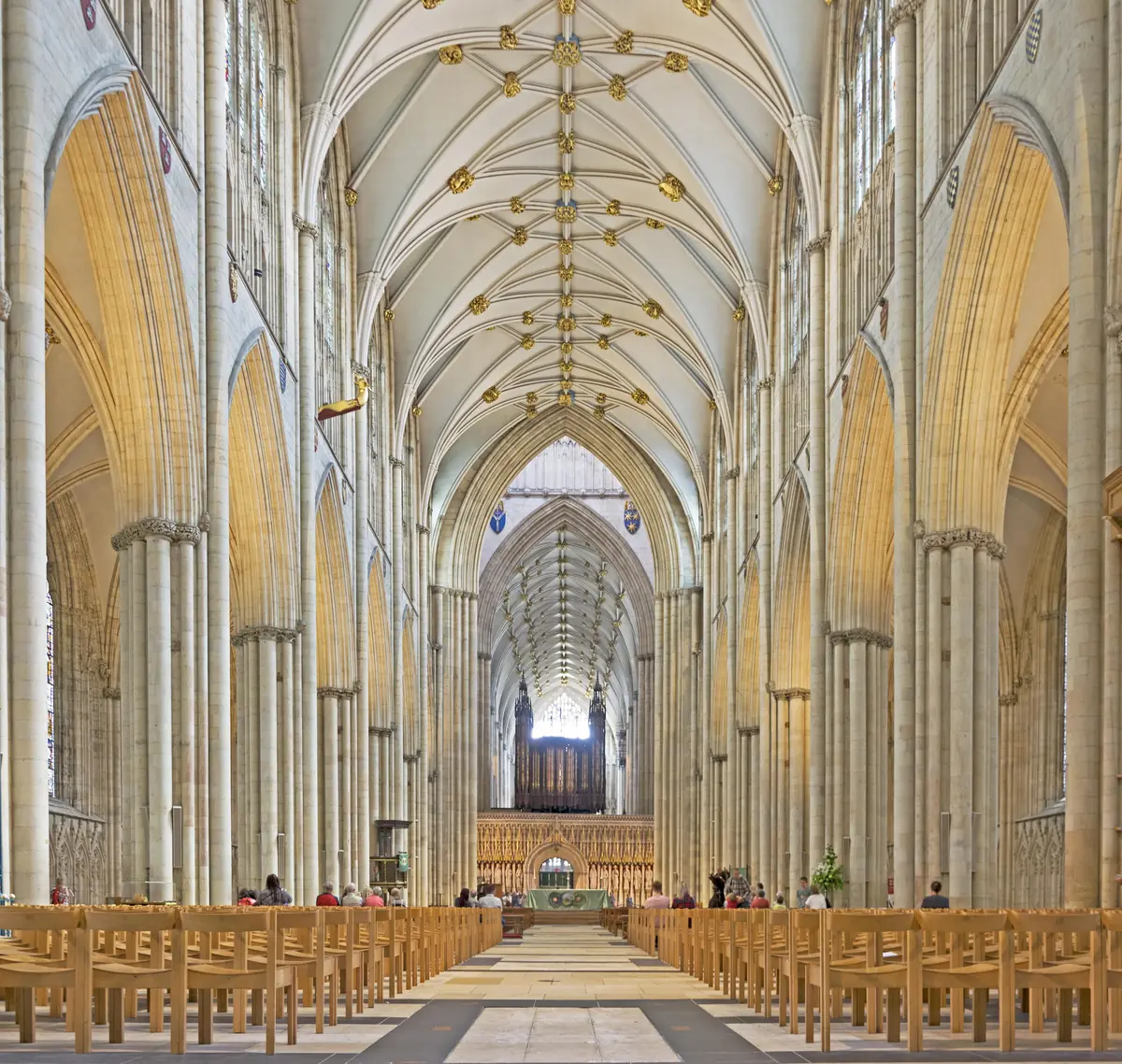
An empire beneath the cathedral.
 02 / ENGLAND
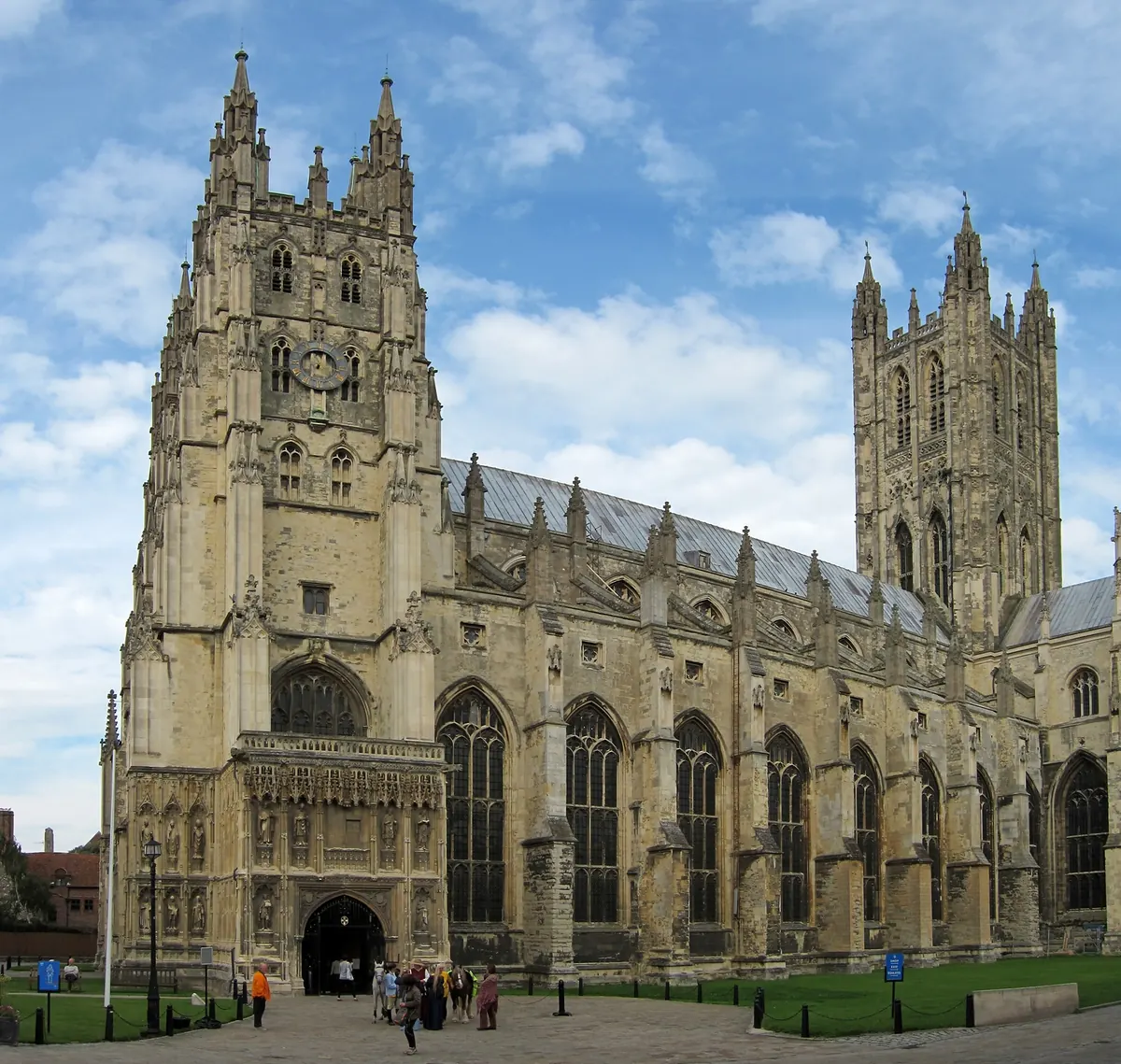
A journey shaped by pilgrimage.
 03 / ENGLAND
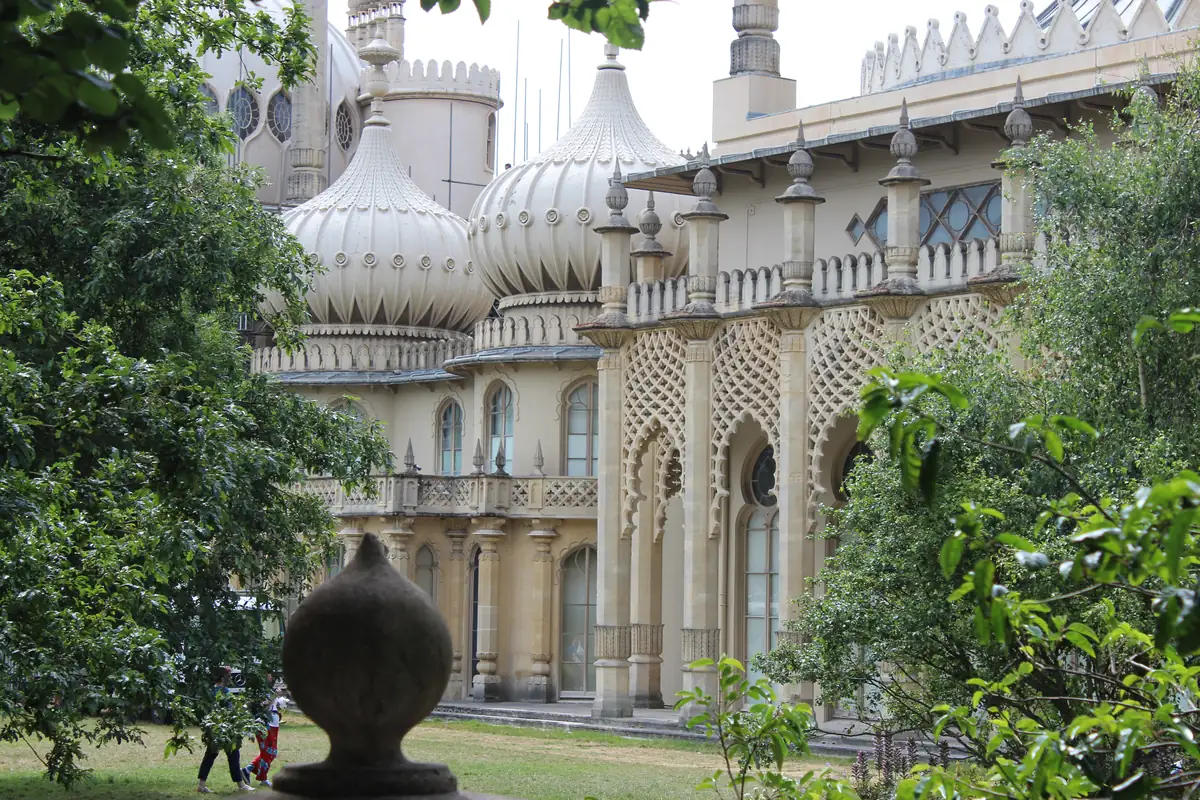
A royal fantasy beside the sea.