William Shakespeare
Begin with the family and working household behind the playwright.
LIVE Independent London intelligence · checked today
Warwickshire · Midlands / ENGLAND GUIDE
A childhood home. A worldwide legacy.
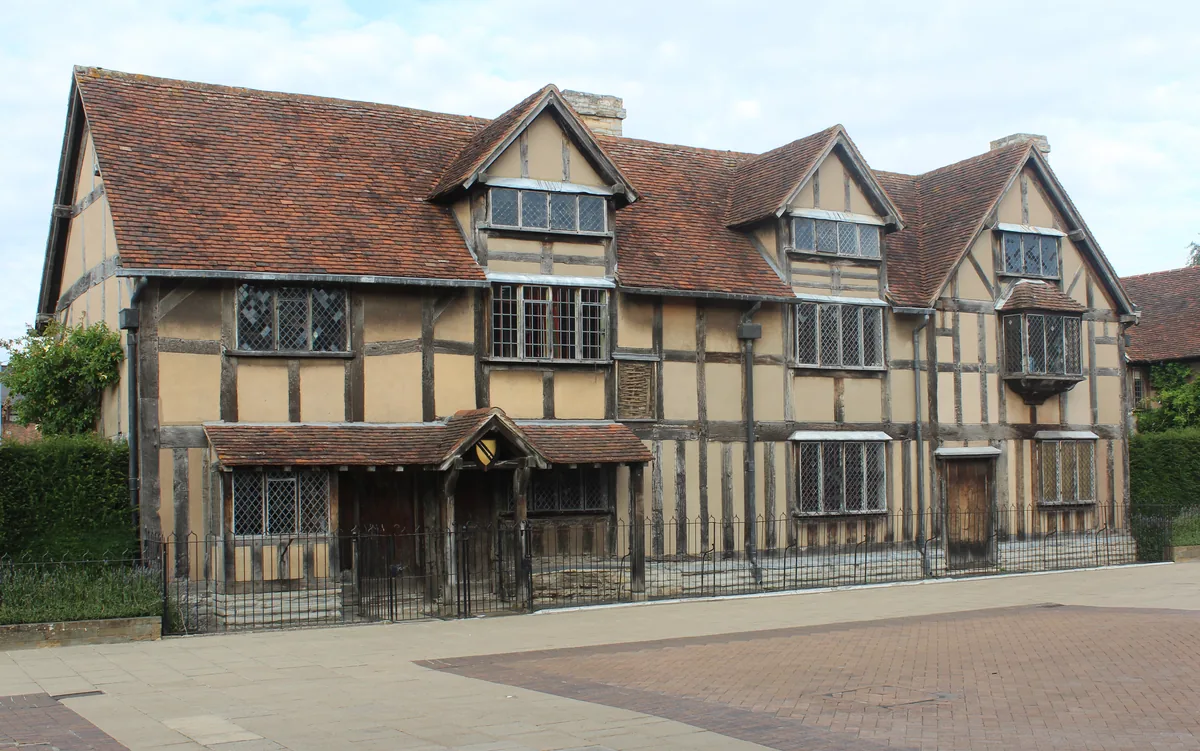
Behind the famous name is a family house, a working trade and a rescue campaign. Start on Henley Street, where Shakespeare’s story becomes domestic.
01 / THE PLACE BEHIND THE POSTCARD
Look a little closer.
The details change the visit.
William Shakespeare was born in 1564. His father John worked as a glovemaker in the house now known as the Birthplace. That makes the workshop as important as the familiar timbered façade: this was a place of work and family life before it became a literary landmark.
The building’s survival was not inevitable. A public campaign supported by Charles Dickens helped secure its purchase at auction in 1847. The home became a national memorial and, eventually, part of the Shakespeare Birthplace Trust’s care. Visiting it means encountering the history of Shakespeare’s reputation as well as his childhood.
The visitor books record signatures including Dickens, Winston Churchill and Princess Diana. Inside, distinguish the building from its furnishings: none of the Shakespeare family’s original furniture survives here. Period pieces and reproductions help suggest the surroundings he would have known, rather than presenting a room preserved untouched from his life.
Explore the historical sources ↓02 / THROUGH TIME
A historical sequence, not a timeline drawn to scale.
Shakespeare begins life in Stratford-upon-Avon.
William inherits the family home after John’s death.
A public campaign helps secure the Birthplace.
Conservation and interpretation keep the house open to new readers.
03 / THE HUMAN CONNECTION
Residents, makers, visitors and patrons: each card explains the connection.
Begin with the family and working household behind the playwright.
His glovemaking trade gives the house a practical, everyday history.
He connects the house’s nineteenth-century rescue with its later visitor story.
04 / WHEN YOU GET THERE
Look at scale and circulation: how might a household have used these spaces?
Use the working trade to imagine the life of John Shakespeare beyond his role as a famous writer’s father.
Separate surviving fabric, period objects and later reconstructions. Each tells a different kind of story.
05 / A SIMPLE VISIT SEQUENCE
An editorial itinerary to adapt to your entry slot, interests and energy. Check each attraction’s access separately.
Take in the house from outside before entering.
Spend time on both family life and the story of the building’s preservation.
Leave room for a meal and a walk between historic streets.
Finish beside the Avon; add a performance only after confirming its separate booking.
06 / TURN THE STORY INTO A VISIT
Check opening times, admission, access and availability directly with Shakespeare Birthplace Trust. Book your main attraction first, then build the rest of your trip around it.
Official attraction website · Tickets and transport are separate unless the selected product says otherwise.
07 / BEFORE YOU SET OFF
No original Shakespeare family furnishings survive. The Trust uses contemporary pieces and reproductions to interpret the home.
Yes. The Trust identifies Dickens, Churchill and Princess Diana among names in its VIP visitor books.
Historical facts checked against the institutions below on 22 September 2026. Routes and suggested pace are LONNOW editorial recommendations; opening arrangements can change.
NEXT / KEEP EXPLORING
 01 / ENGLAND
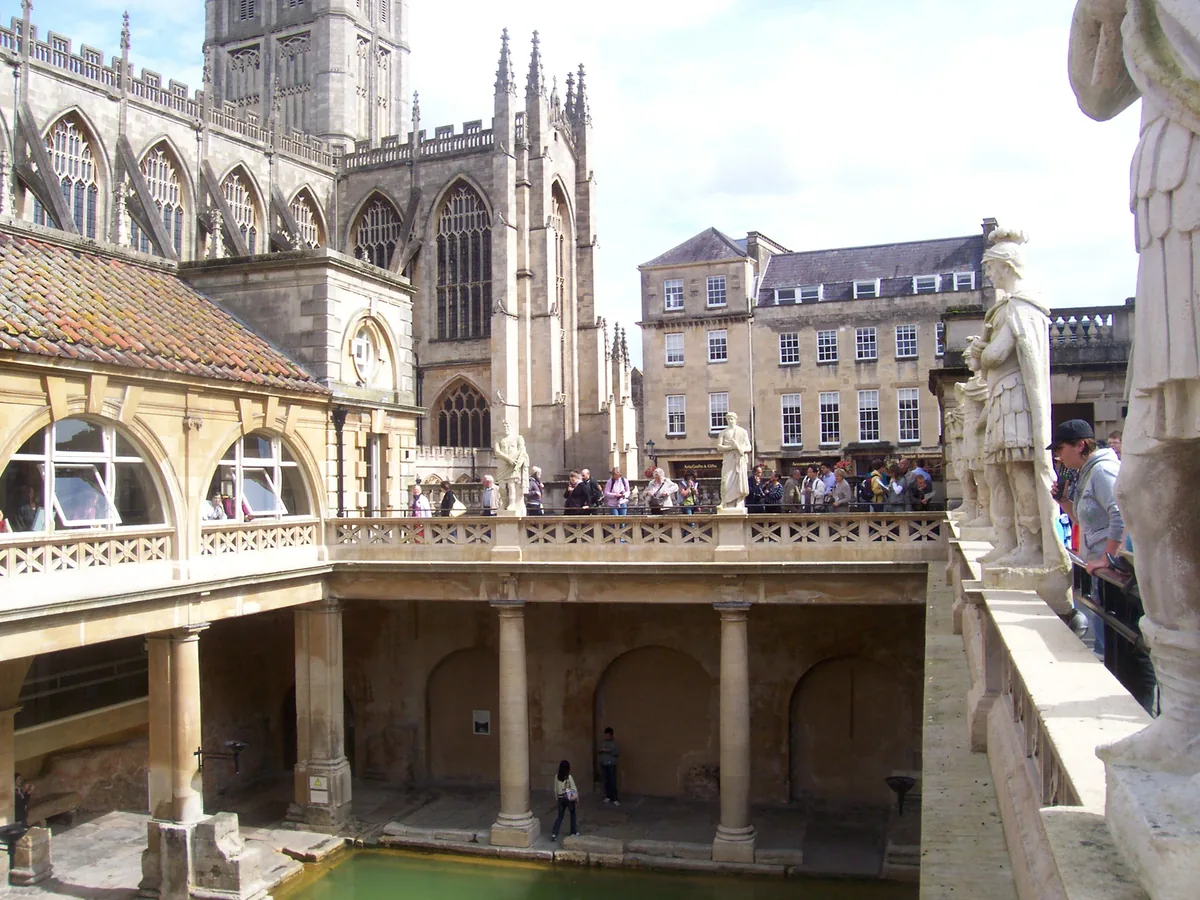
Roman water. Georgian streets.
 02 / ENGLAND
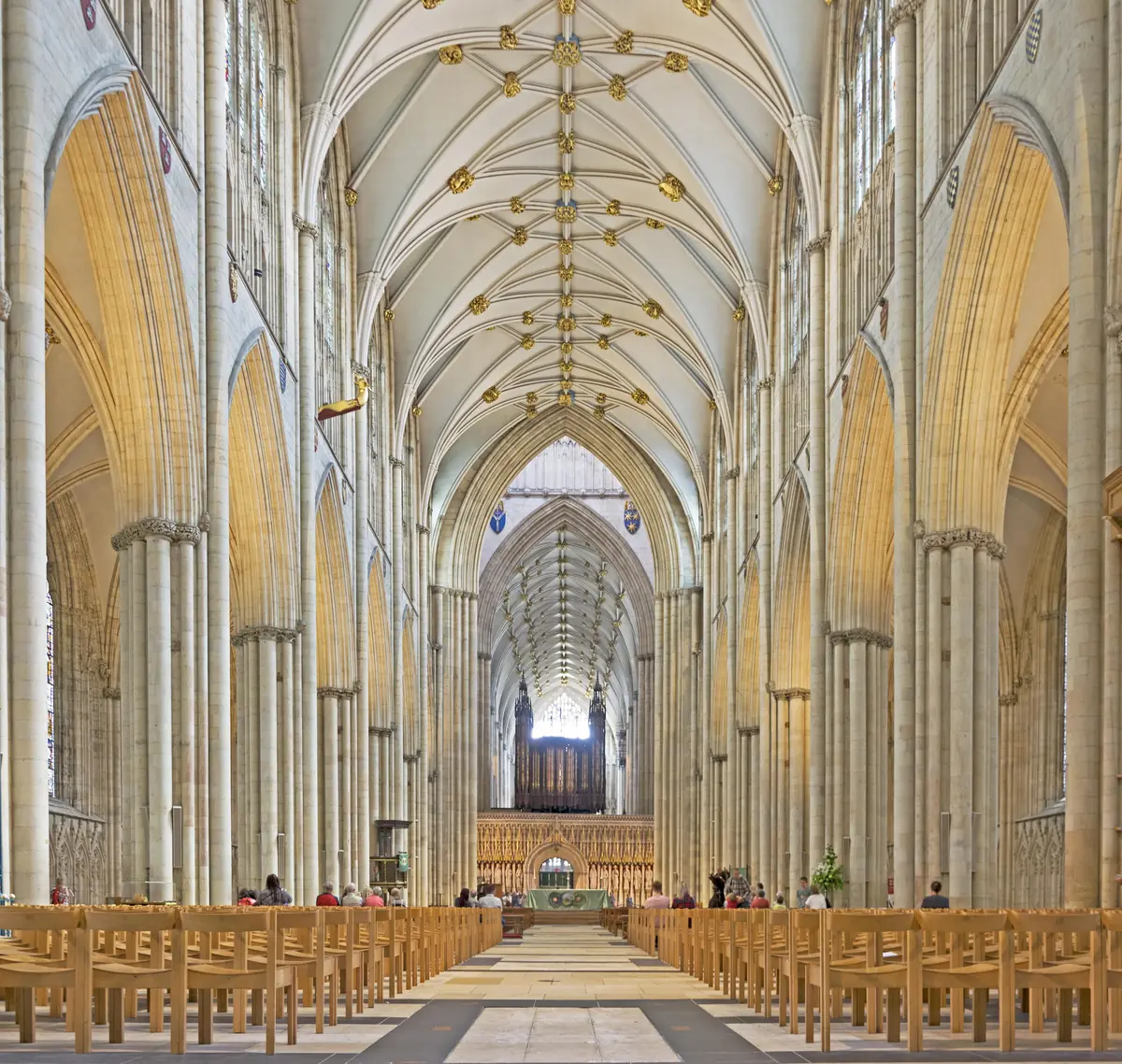
An empire beneath the cathedral.
 03 / ENGLAND
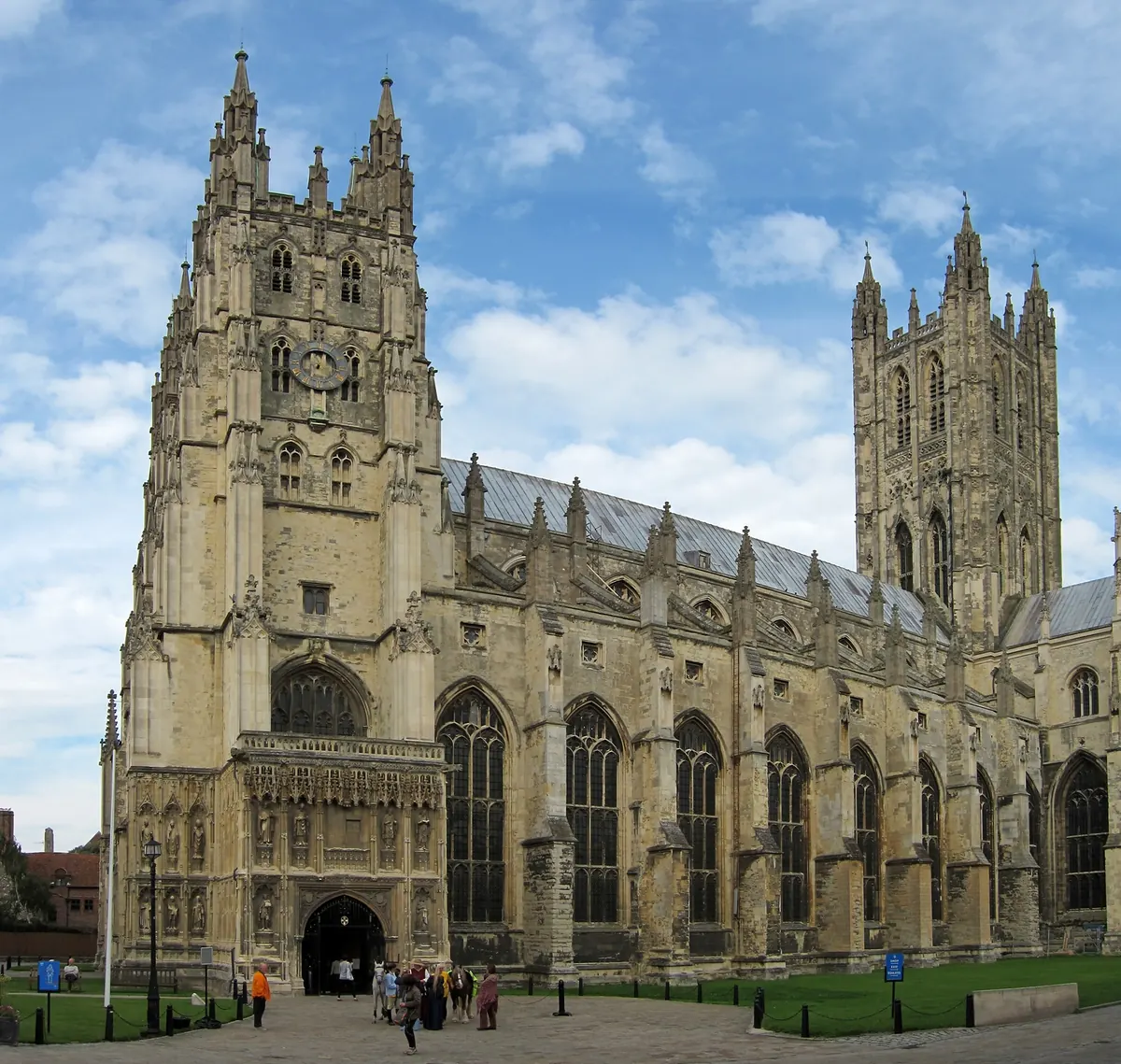
A journey shaped by pilgrimage.