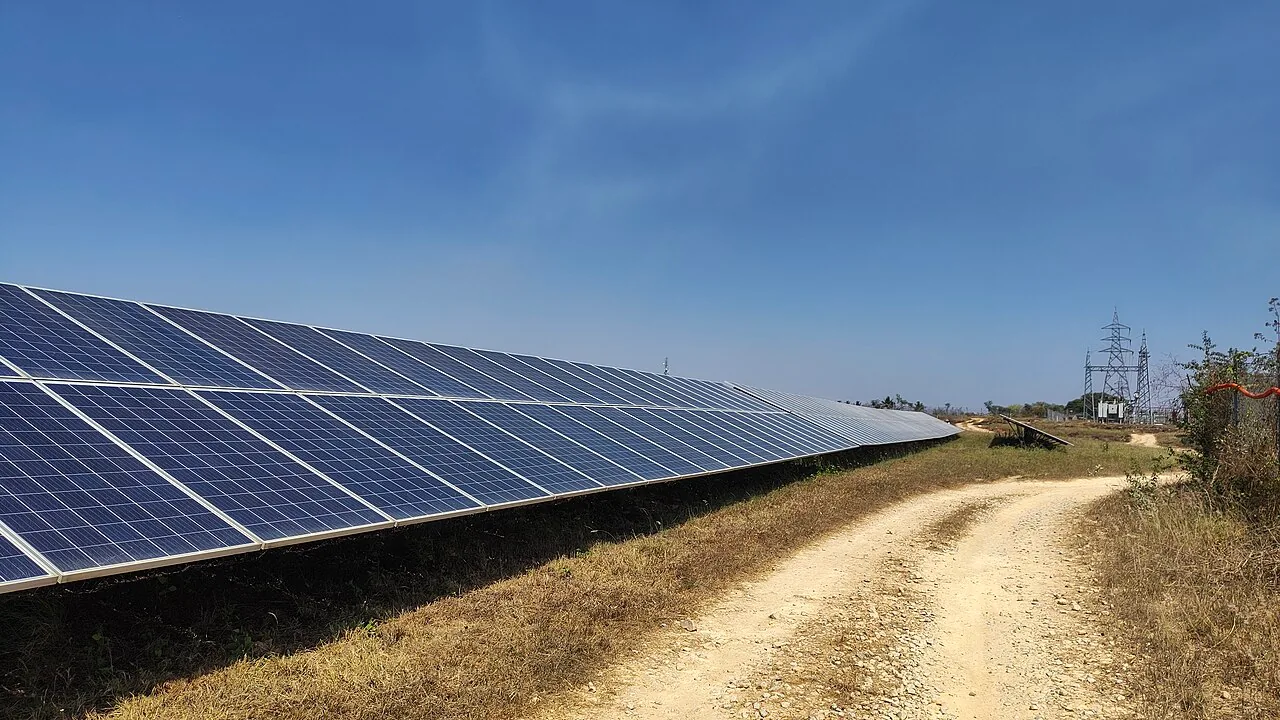
Imperial’s 13 October announcement describes a partnership with Tata Power on cleaner and more resilient energy systems. The agreement identifies research ambitions, not completed consumer benefits.
Explore research, laboratory, data and public-engagement routes.
THE LONNOW GUIDE
Explore the evidence as well as the idea
London science can mean an object in a museum, an experiment you try, a public talk or a new research result. Each offers a different kind of understanding. Choose the question that interests you, then look at how the evidence was produced and what the experience actually includes.
Which kind of science experience answers your question?
An editorial decision guide, not a ranking. Choose the option that fits your circumstances, then check the relevant official information before committing.
Which kind of science experience answers your question?: options and trade-offs
Experience
What it is useful for
The question to keep asking
Museum collection
What it is useful forFollowing instruments, objects and scientific history
The question to keep askingWhat did this object enable, and what context is missing?
Interactive exhibit
What it is useful forTrying a controlled change and observing a result
The question to keep askingWhich variable changed, and what does the model leave out?
Public talk
What it is useful forFollowing an expert's explanation and questions
The question to keep askingWhat evidence supports the argument, and where is uncertainty?
Research paper or technology announcement
What it is useful forUnderstanding a new result or proposed capability
The question to keep askingWhat was tested, against what, and at which development stage?
Objects and experiments tell different stories
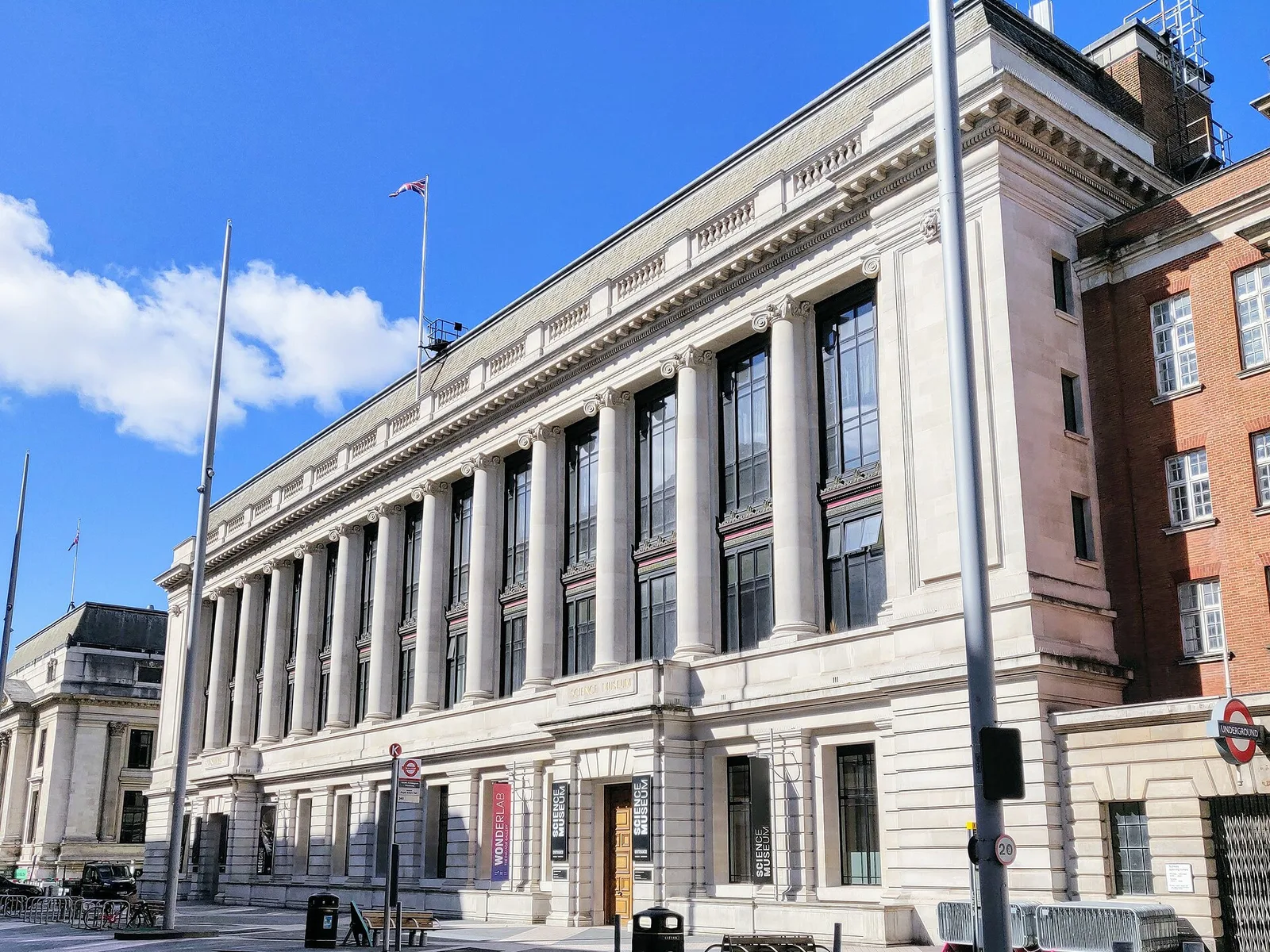
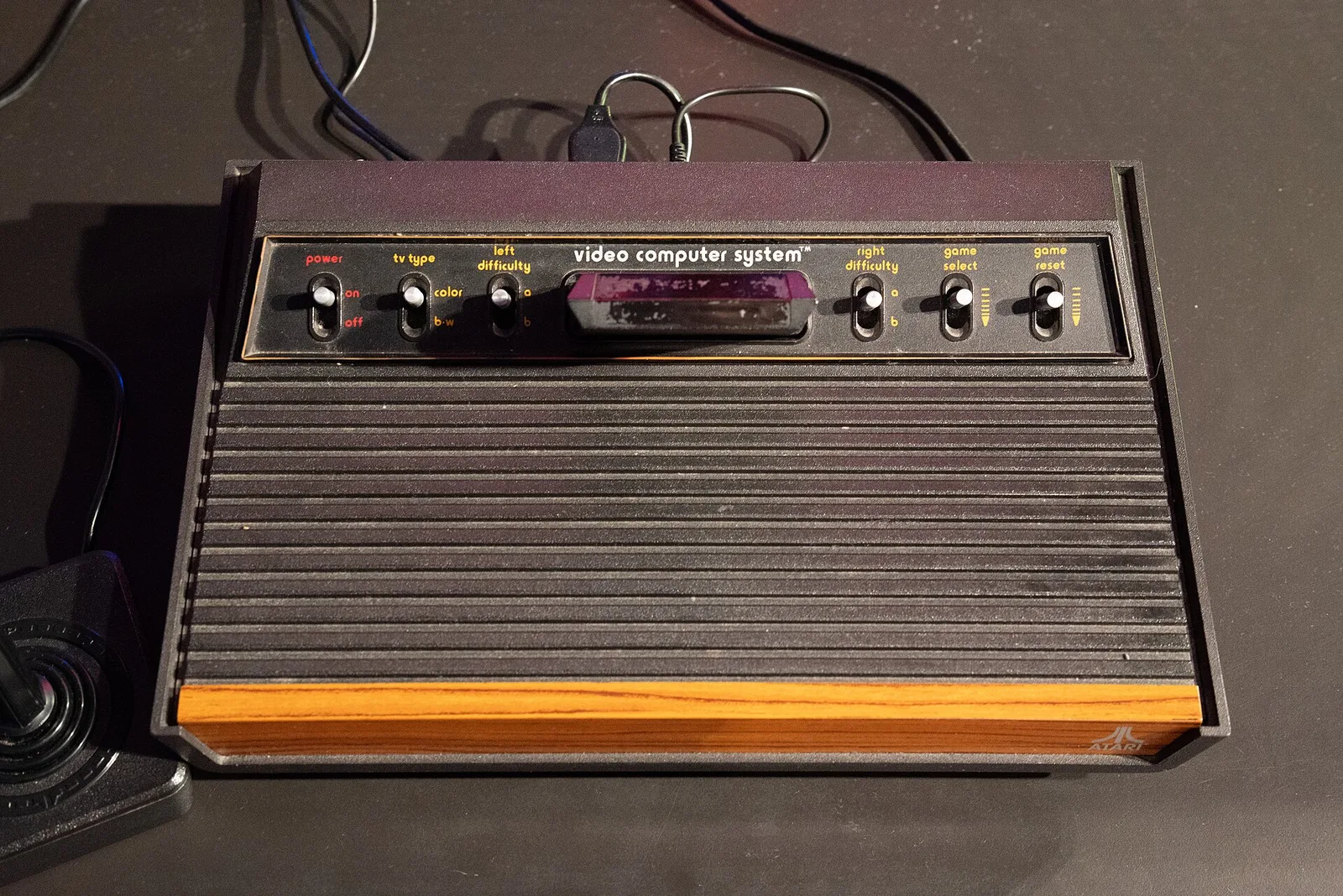
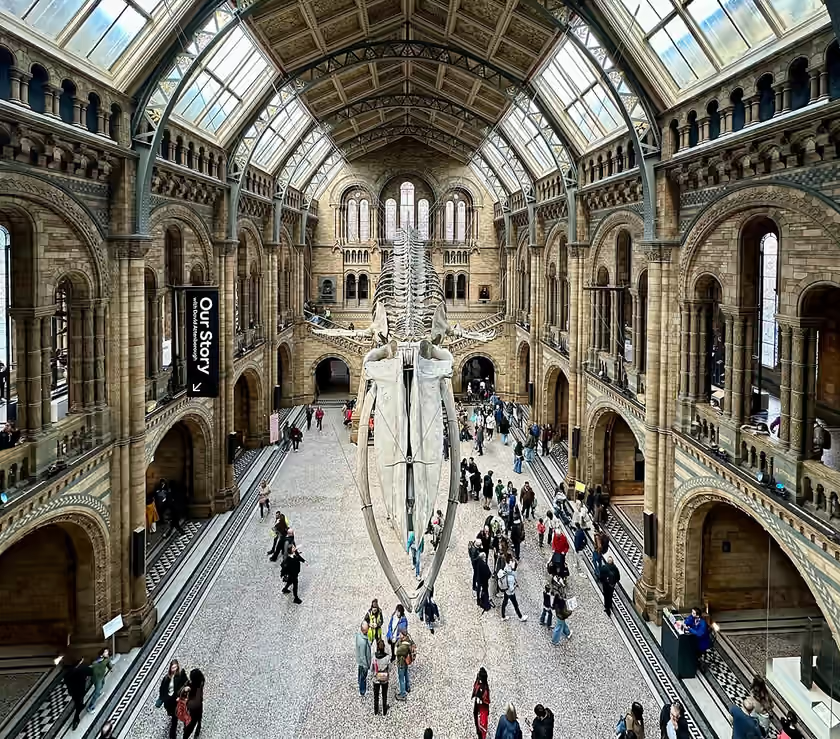
A historic instrument can show how people measured, travelled or tested an idea. An interactive exhibit lets you change something and watch what happens. These are complementary experiences, but neither should be mistaken for a complete account of a field. Our Science Museum guide is a route into collections and technologies; the Wonderlab guide focuses on participation.
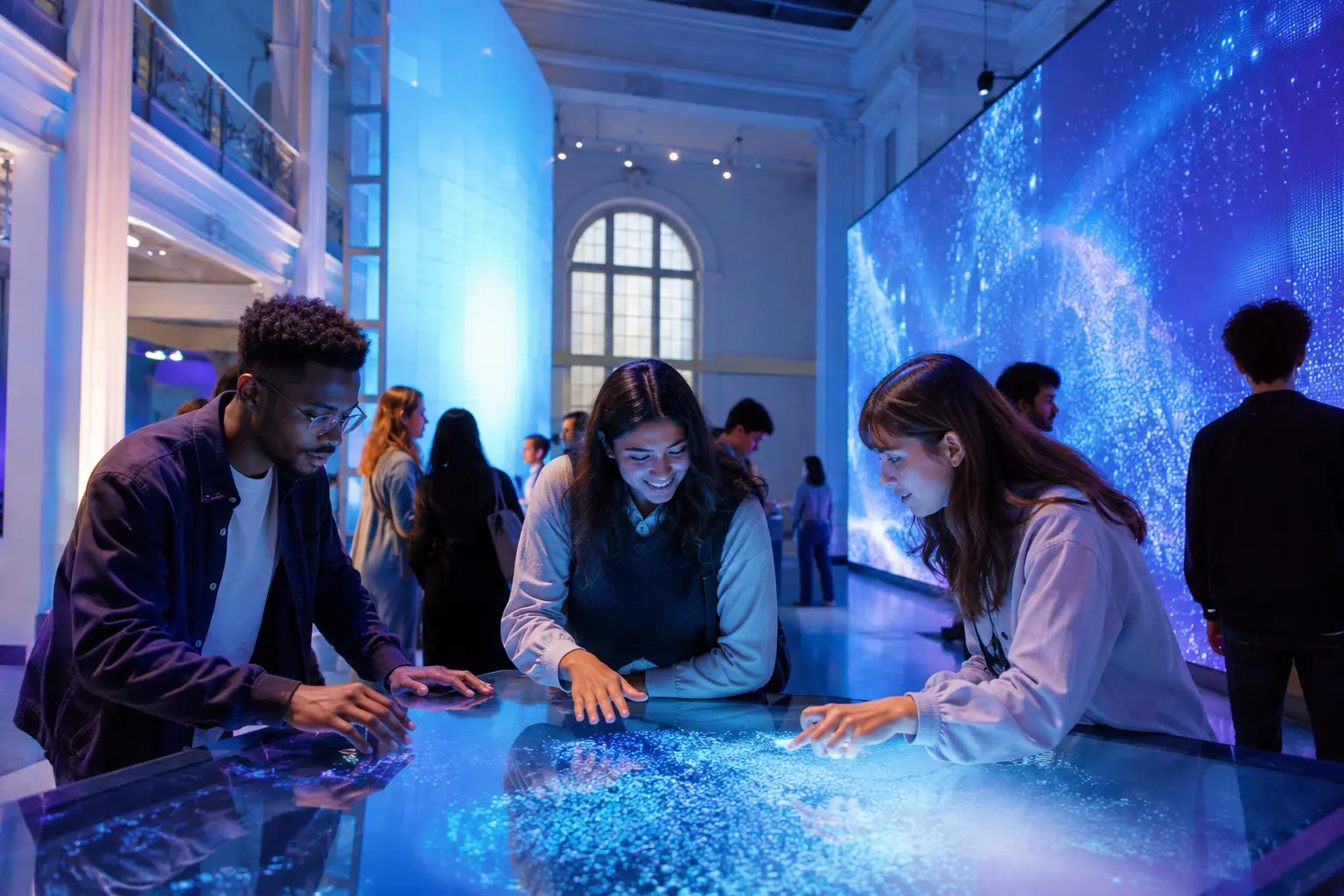
At an experiment, make one prediction and change one thing you can control, then compare what you observe. The point is not to press every button or produce the expected answer. Ask what the exhibit leaves out and how the demonstration relates to a larger system. A model simplifies something so that it can be understood; noticing its limits is part of learning, not a reason to dismiss it.
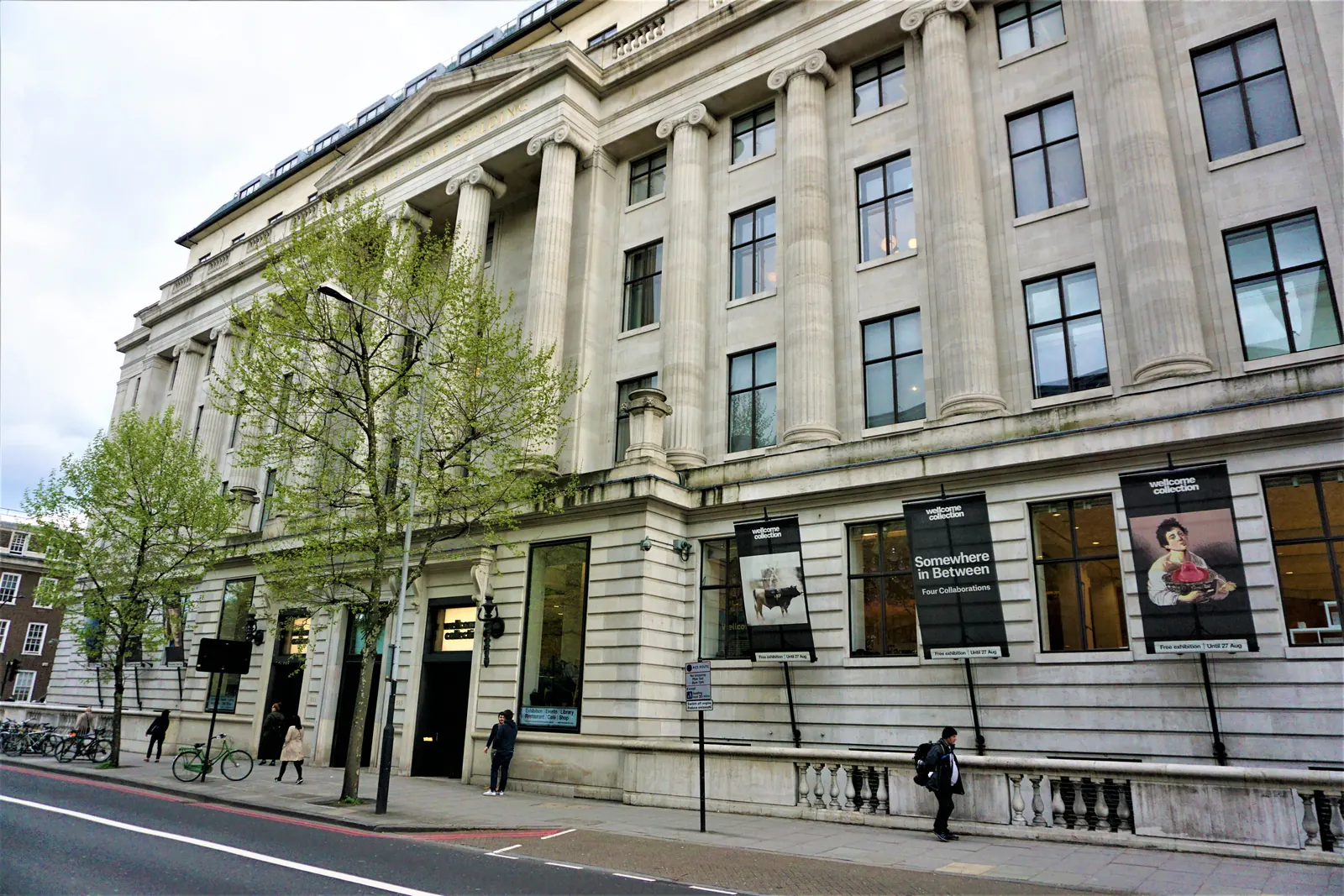
A public lecture follows a speaker's question and argument; a museum visit lets you set more of your own pace. A historical laboratory or collection adds context about the people, instruments and working conditions behind discoveries. Our Royal Institution guide and Wellcome Collection guide offer different routes into science as a human activity, rather than a list of facts to memorise.
Astronomy has its own distinctions. A planetarium represents the sky in a designed presentation; looking through a telescope is an observing activity. Do not assume that a daytime observatory ticket includes a night-sky session or that a show in an older guide is currently bookable. Royal Museums Greenwich's current visitor notice says the Peter Harrison Planetarium is closed for renovation. Follow the institution's current programme before choosing an astronomy outing.
Read a research headline as the start of a question
Ask what was studied, what was measured and what comparison supports the conclusion. An observational finding can reveal a pattern without by itself proving that one factor caused another. An experiment also needs suitable controls and a design that answers the question. Different sciences use different methods; there is no single classroom recipe that every serious study must follow.
Peer review is a useful scrutiny stage, not a guarantee that a conclusion can never change. Check whether a claim comes from a research paper, a preprint or publicity about one, and whether other work supports it. The Royal Society recommends looking at study design, size, controls and replication. For fast-moving subjects such as those in our UK artificial intelligence guide, separate a demonstrated result from a forecast or a product claim.
Quantum computing receives attention, but the wider field also includes sensing, measurement, imaging and communications. Those technologies address different problems. A sensor that measures something more precisely and a computer designed for particular calculations should not be compared simply because both are called quantum. Our UK quantum technology guide provides a map of the subject before you follow individual announcements.
Look for the test conditions, comparison and stage of development. A laboratory demonstration, a prototype and a service someone can use are different achievements. Funding or a proposed application does not alone prove useful performance. The National Physical Laboratory's work on measurement and validation is a reminder that checking a device's behaviour is as important as giving it an ambitious name. No guide can turn a future possibility into an established capability.
Does peer review mean a result is definitely true?
No. It is a scrutiny process, not a promise of certainty. The design, evidence, limitations, replication and wider research still matter when judging a conclusion.
No. NPL describes work across sensing, measurement, imaging, communications and computing. Ask which technology and problem an announcement concerns before comparing it with another quantum claim.
Can I assume the Greenwich planetarium is operating?
No. The official Royal Observatory visitor page checked on 16 October 2026 says the Peter Harrison Planetarium is closed for renovation. Check the current Royal Museums Greenwich programme and do not rely on an older show's listing.
London science lives in museums, observatories, public lectures, universities and research careers. Use these guides to match the subject and audience level, check booking or access conditions and follow claims back to the institution responsible for them.
 LONNOW.COM