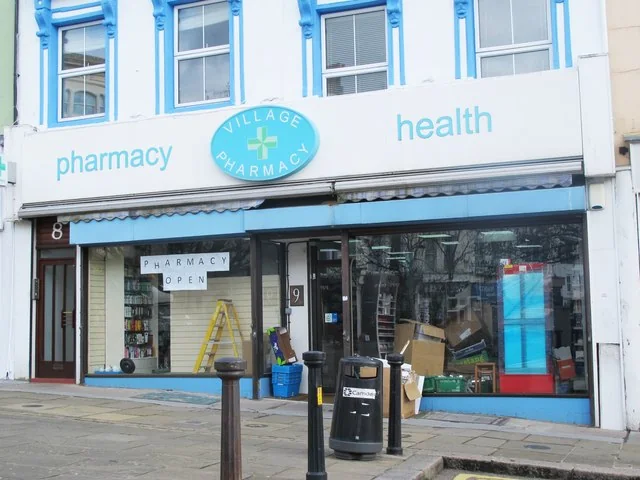
The NHS describes pharmacy treatment routes for seven common conditions, with age and other restrictions. The key word is assessment: a visit does not automatically mean an antibiotic prescription.
Find a dentist, understand NHS charges and know what to do when care is urgent.
THE LONNOW GUIDE
Find the right healthcare service, not just the nearest appointment
London healthcare is easier to navigate when routine care, help needed now and a life-threatening emergency are kept distinct. This guide explains the service routes and practical questions; it does not diagnose symptoms or replace a clinician’s assessment.
Choose the service route by the need
An editorial decision guide, not a ranking. Choose the option that fits your circumstances, then check the relevant official information before committing.
Choose the service route by the need: options and trade-offs
Need
Starting route
Practical distinction
Ongoing or non-emergency care
Starting routeYour GP practice
Practical distinctionUnderstand its appointment, medicine and follow-up process
Advice about medicines or a common illness
Starting routeA pharmacist
Practical distinctionTreatment availability depends on the service and circumstances
Medical help needed now
Starting routeNHS 111, following its online/phone age guidance
Practical distinctionIt directs care; it is not a promise of an appointment or waiting time
A life-threatening emergency
Starting route999
Practical distinctionFollow the call handler’s instructions; do not delay for website research
Considering a private pathway
Starting routeThe named provider, relevant CQC record and any insurer
Practical distinctionClarify the assessment, total charges, authorisation and follow-up
Organise routine care before a problem becomes urgent
For continuing, non-emergency care, start by arranging a GP practice and understanding how that practice handles appointments, repeat medicines and results. The NHS registration page for England says that an NHS number, identity document, proof of address or immigration document is not required to register. Practices may request additional information for other purposes, including identifying records or confirming a child’s parent or guardian. Ask what a requested document is for rather than assuming every missing document prevents registration.
Once registered, keep your contact details current and find out how to request the help you need. Prepare a short list of current medicines and the question you want answered for an appointment. Registering is an administrative step, not a promise of a particular appointment time or a blanket statement about every other NHS service.
NHS 111 is a route for medical help needed now and can direct someone towards the appropriate service, including when the GP is closed. For symptom advice, its online service is for people aged five and over; the NHS says to call 111 for help with a younger child. The online service cannot make or cancel appointments elsewhere in the NHS.
For a life-threatening emergency, call 999. Give the call handler the location and what has happened, then follow their instructions. Do not wait to finish reading a city guide before seeking emergency help. The distinction is about the situation and the assessment, not whether a provider is public or private. Our emergency guide brings the separate service routes together.
Use pharmacy expertise and ask about the next step
Pharmacists can advise on medicines and a range of common illnesses. Some pharmacy services can also provide treatment under specific conditions, but the NHS does not describe that as a universal right to any medicine or treatment for every age. Explain the issue, existing medicines and relevant circumstances so that the pharmacist can advise or refer you onwards.
A useful pharmacy conversation can clarify how to take a medicine, a concern about its effects or what help is appropriate when a routine plan has broken down. The service and its eligibility conditions matter more than a promise in an advertisement. Ask what you should do next if the problem changes or the suggested route is not available.
If you are considering private care, establish who will assess you, which organisation provides the service and what happens after the first consultation. CQC’s directory lets readers search regulated services and inspect reports and ratings. Read the relevant report and its date rather than using a review score as a guarantee about an individual treatment.
Ask for a written explanation of charges and what is included: consultation, tests, treatment, follow-up and any further care. If insurance is involved, ask the insurer what approval and provider restrictions apply to your policy. Keep the GP informed where relevant, and clarify how records will be shared safely. A faster available appointment, a reassuring website and a good treatment decision are different things.
Can a pharmacy help only with collecting prescriptions?
No. NHS guidance describes advice about medicines and common illnesses, with some treatment services subject to conditions. A pharmacist can advise whether another healthcare professional is needed.
Does a provider’s rating guarantee a particular treatment result?
No individual result is promised here. Use the CQC report as one part of understanding the service, then ask the clinician about the proposed care, alternatives, follow-up and costs.
Health information is most useful when it clarifies where to begin. These pages explain London and UK service routes, costs and preparation, while directing urgent or personal medical decisions to qualified care. Check current NHS guidance and never delay emergency help.
 LONNOW.COM