 LONNOW.COM
LIVING IN LONDON
London emergency numbers: know which service to use
The fastest help comes from choosing the right route: immediate danger, urgent health advice, non-emergency police and local service problems are handled differently.
Call 999 for immediate danger
Use 999 for a serious crime in progress, fire, life-threatening medical emergency or immediate risk to life.
Give the location first when possible.
On this page
Use NHS 111 for urgent health advice
NHS 111 can help when a medical problem is urgent but does not appear life-threatening.
Follow the service’s current instructions.
Use non-emergency channels
Police reports that are not urgent can usually be made through official online or 101 routes.
Borough councils handle many street and local-service issues.
Prepare before a crisis
Save your address, important medical information and trusted contacts.
Visitors should also keep travel insurance and accommodation details accessible.
Describe location and danger first
When calling an emergency service, state what has happened, the exact location and whether anyone is in immediate danger.
Use a street address, station name, platform, landmark or map reference. Answer questions and follow instructions.
If speaking is unsafe or difficult, use the current official guidance for emergency text or silent-call options rather than improvising.
Know the non-emergency routes
NHS 111 can help with urgent health concerns that are not immediately life-threatening, while police non-emergency reporting and local authority services handle other issues.
The correct channel preserves emergency capacity and may direct you to faster specialist help. When uncertain about serious danger, do not delay solely because a general guide cannot assess the situation.
Prepare household information
Save emergency contacts, medication and allergy information, building address, landlord or management details and insurance references securely.
Learn the fire exits and assembly point. Visitors should know the accommodation name and postcode.
Preparation should be simple and current; a long document that cannot be found during stress is less useful than a short, accessible record.
Continue exploring
London bank branches and Banking Hubs: find the service you need
Find the nearest useful Lloyds, HSBC or Barclays service—not merely the nearest map pin—and understand when a Banking Hub or Post Office may be the better answer.
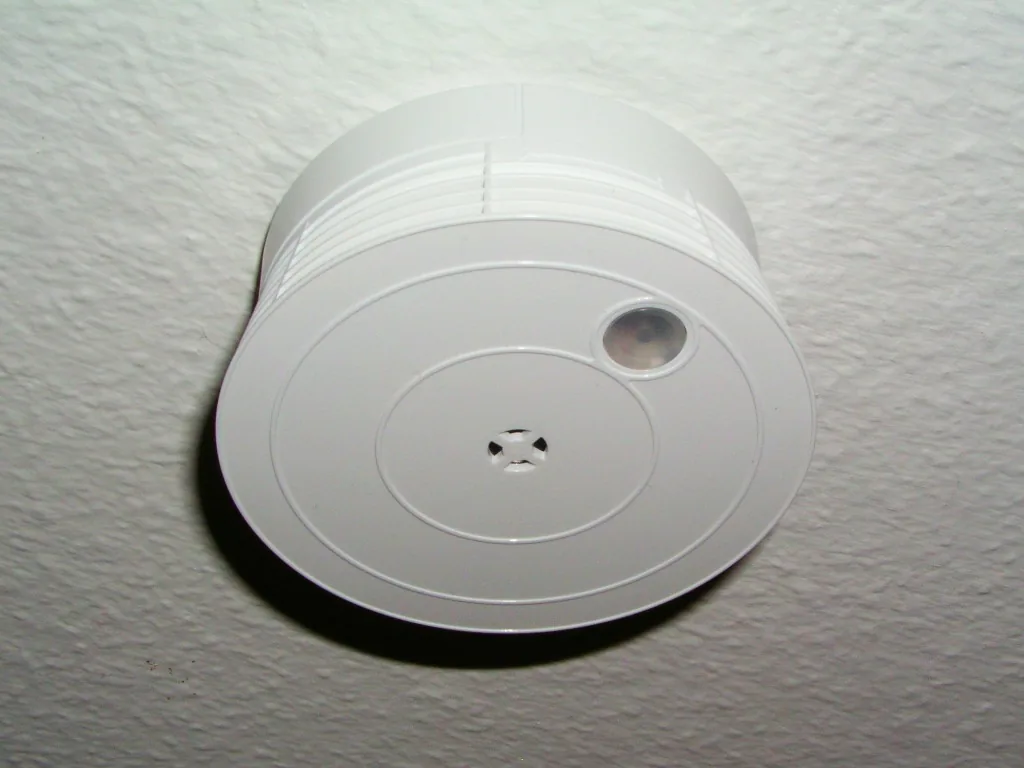
A two-minute fire check before London’s heating season
London Fire Brigade’s free Home Fire Safety Checker offers a short starting point for a household safety review. You do not need to provide personal details to begin.

The cost of living in London: a realistic monthly budget
Your London budget changes dramatically by area, household and travel pattern. Start with the costs that matter most.