 LONNOW.COM
LIVING IN LONDON
Staying safer in London: practical habits for residents and visitors
London is a working global city. Simple habits around phones, travel, payments and nights out reduce avoidable risk without turning the day into a threat assessment.
Protect the phone
Keep it away from the road edge, avoid standing distracted near station exits and enable device tracking, a strong passcode and secure backups.
On this page
Travel with awareness
Use well-lit active routes at night, keep bags closed in crowds and know the last part of the journey before leaving a venue.
For a flight arrival, our guide to London airport transfers helps you prepare the final hotel leg and a late-arrival alternative before you need to make the decision with bags and a low phone battery.
Handle money carefully
Shield your PIN, reject unsolicited help at cash machines and never move money because an unexpected caller claims to be police or a bank.
Report the right way
Use 999 when there is immediate danger or a crime is in progress.
For non-emergency police matters, use the current Met Police reporting routes.
Protect the phone before the journey
Enable a strong lock, device tracking, backups and account recovery before going out.
Keep the phone away from the road edge and stop in a protected position before checking directions. Use headphones at a level that preserves awareness.
If a device is stolen, personal safety comes first; report it and secure accounts rather than chasing the offender.
Make nights out manageable
Share the venue and return plan with someone trusted, stay with drinks, and keep enough battery and money for the journey home.
Use licensed transport and verify the vehicle and driver in the app. If a friend becomes unwell or vulnerable, do not leave them alone.
In an immediate threat call 999; use current police channels for non-emergency reporting. For 31 December, New Year’s Eve in London brings the outing, ticket checks and return plan into one decision before you commit to a crowded central meeting point.
Respond after theft or fraud
Secure banking, email and mobile accounts quickly, contact providers, and preserve relevant times, locations and screenshots.
Report through the appropriate official service and obtain a reference when insurance may require it. Beware of follow-up messages claiming to have found the device or money; stolen-data scams often continue after the original incident.
Continue exploring
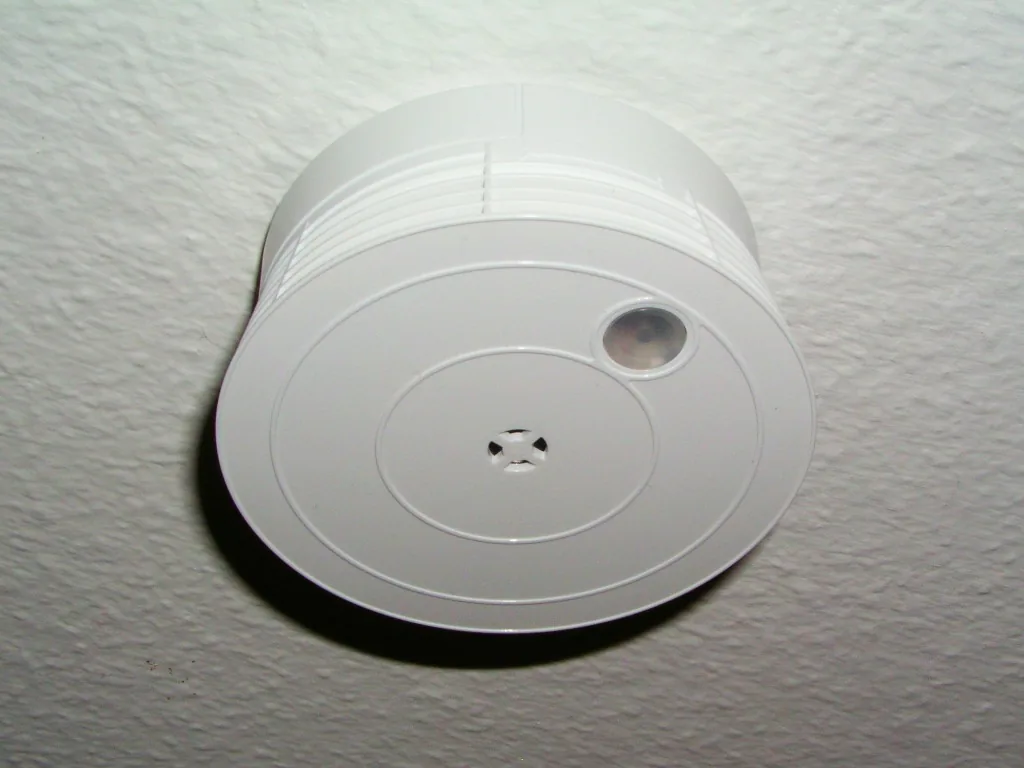
A two-minute fire check before London’s heating season
London Fire Brigade’s free Home Fire Safety Checker offers a short starting point for a household safety review. You do not need to provide personal details to begin.

The cost of living in London: a realistic monthly budget
Your London budget changes dramatically by area, household and travel pattern. Start with the costs that matter most.

Council Tax in London: bands, bills and discounts
Council Tax is a local household bill. The property band, borough and who lives with you all affect what you pay.