 LONNOW.COM
LONDON BY AREA
Notting Hill area guide: markets, colour and west London texture
Notting Hill works best beyond the photograph: Portobello Road, Golborne Road, independent shops, cinemas and residential streets form a varied west London district.
Choose the market day carefully
Portobello Road changes by day and time.
Check the official trading pattern when antiques, produce or fashion is the purpose rather than assuming every visit is identical.
On this page
Walk north as well as south
Golborne Road and the northern end add food, design and a different local rhythm.
Do not reduce the area to the streets nearest Notting Hill Gate.
Photograph with respect
Many colourful façades are private homes.
Keep entrances and pavements clear, avoid intrusive photography and treat the street as a neighbourhood first.
Plan around major events
Notting Hill Carnival transforms transport and access.
Use current official travel and safety information, and never rely on an ordinary-day route during event operations.
Look beyond the postcard streets
Colourful terraces and Portobello Road define the visitor image, but the wider area includes busy roads, estates, quiet residential pockets and different transport edges.
A famous façade does not reveal internal space, insulation or management. Walk the exact street during market hours and an ordinary evening to understand crowd routes, deliveries, noise and access to everyday shops.
Choose the useful station
Notting Hill Gate, Ladbroke Grove, Westbourne Park and nearby stations support different parts of the area.
Map the home against the line needed for work and a backup route. Market crowds can slow buses and walking on certain days.
A slightly less recognisable edge may offer better daily transport while keeping the architecture and food of the district close.
Live with major events
Carnival and large market days transform streets, transport and access.
Residents should understand restrictions, noise, visitors and building security before moving, while respecting the cultural significance of the events. Ask building managers how access and waste are handled.
The right preparation allows the area’s public life to remain an asset rather than an annual surprise.
Continue exploring
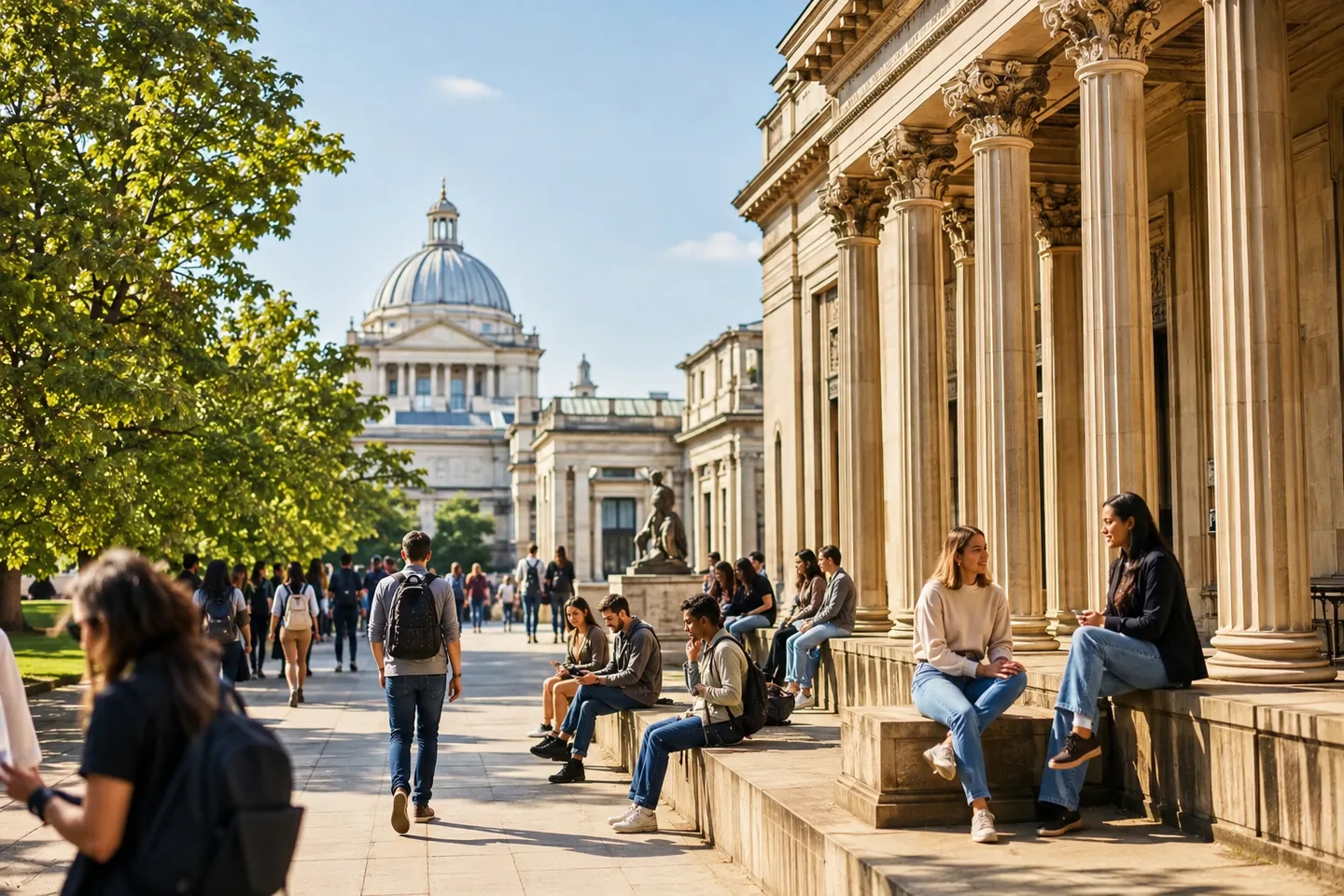
Camden area guide: music, markets and the canal beyond the crowds
Camden is loud, connected and culturally productive. The best visit balances the famous market core with music history, canals and nearby green space.
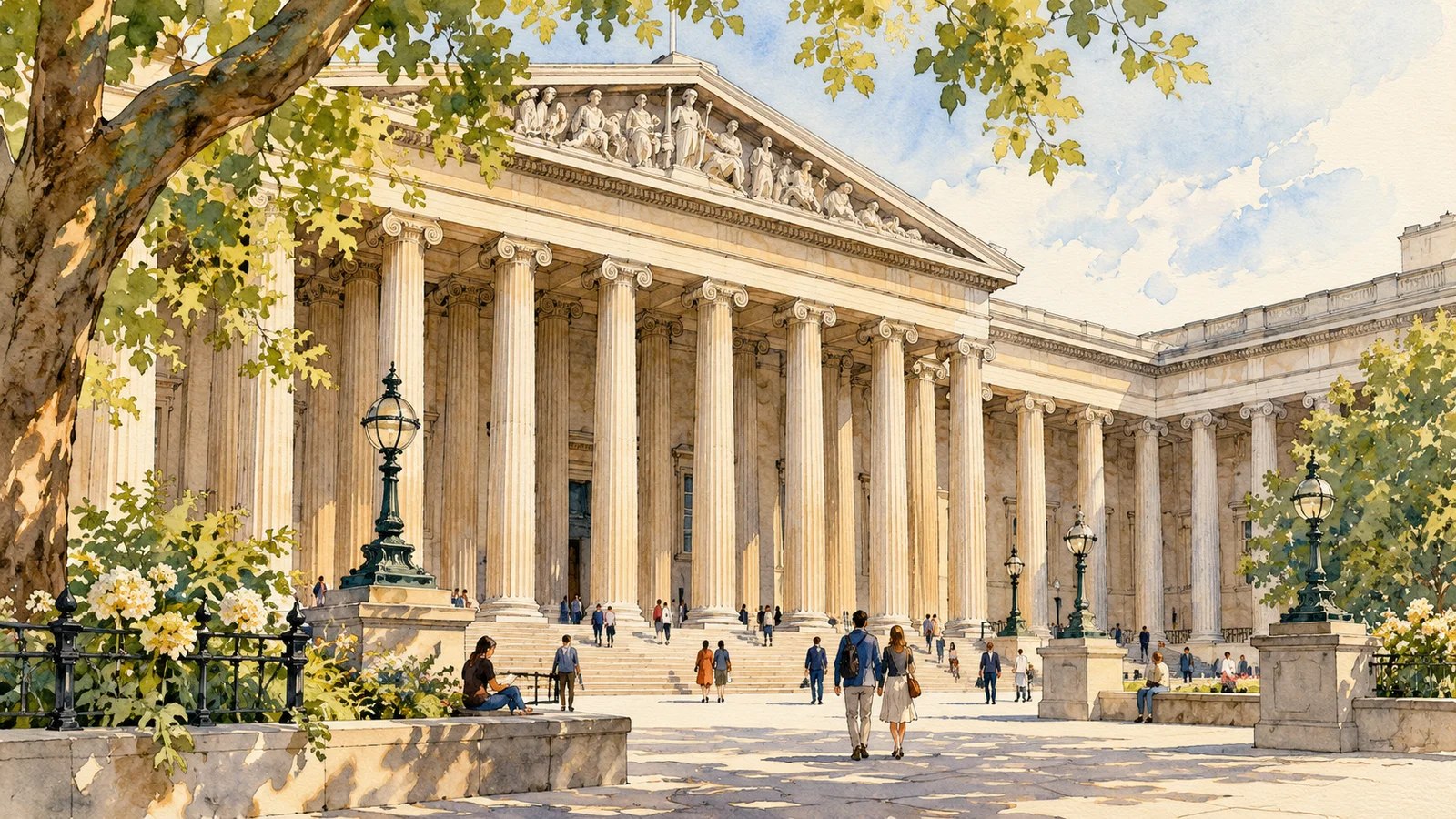
Bloomsbury: A Visitor’s Area Guide
Make the museum your anchor, then leave room for a short neighbourhood walk and a proper break.
Brixton area guide: food, music and south London energy
Brixton’s value comes from living culture rather than a checklist: Caribbean heritage, global food, music venues, markets and community institutions overlap here.