 LONNOW.COM
LONDON STORIES
London weekend travel: closures on 10–11 October 2026
Check the route before committing to a cross-city weekend. TfL’s current planned-works notice differs from older summaries: use the dated details below, then check your actual journey before leaving.
The three weekend-wide changes
On 10–11 October, Circle is affected between Edgware Road and Aldgate via Victoria.
District is affected from Edgware Road and Tower Hill to Ealing Broadway, Kensington (Olympia), Richmond and Wimbledon. DLR is affected between Stratford International and Woolwich Arsenal.
These are affected sections, not a statement that the whole networks close.
- Dates
- Saturday 10–Sunday 11 October 2026
- Source notice
- TfL · published 8 October; checked 9 October
- Status
- Planned works; live disruption can differ
On this page
Sunday needs its own check
On 11 October, the Elizabeth line notice covers West Drayton–Slough until 08:15.
Suffragette lists Barking–Barking Riverside, plus Gospel Oak–Barking until 09:45 and after 23:00. Weaver has no service until 10:15; Windrush lists Wandsworth Road–Clapham Junction.
The 8 October revision no longer lists the earlier Sunday-evening Earl’s Court non-stop notice. It retains the Friday Night Tube restriction there, 03:15–05:45 on 10 October.
This change does not establish that all services will run normally: check live status.
Book the day, then plan the route
A restaurant, cinema or performance ticket gives you a fixed place and time.
Enter that destination and the actual Saturday or Sunday date in TfL’s planner before deciding when to leave. Check both outward and return journeys: a Sunday morning restriction may have ended by lunchtime, while an evening station restriction can still change the trip home.
Do not build a route from a remembered line diagram or an undated search snippet.
For a South Bank evening
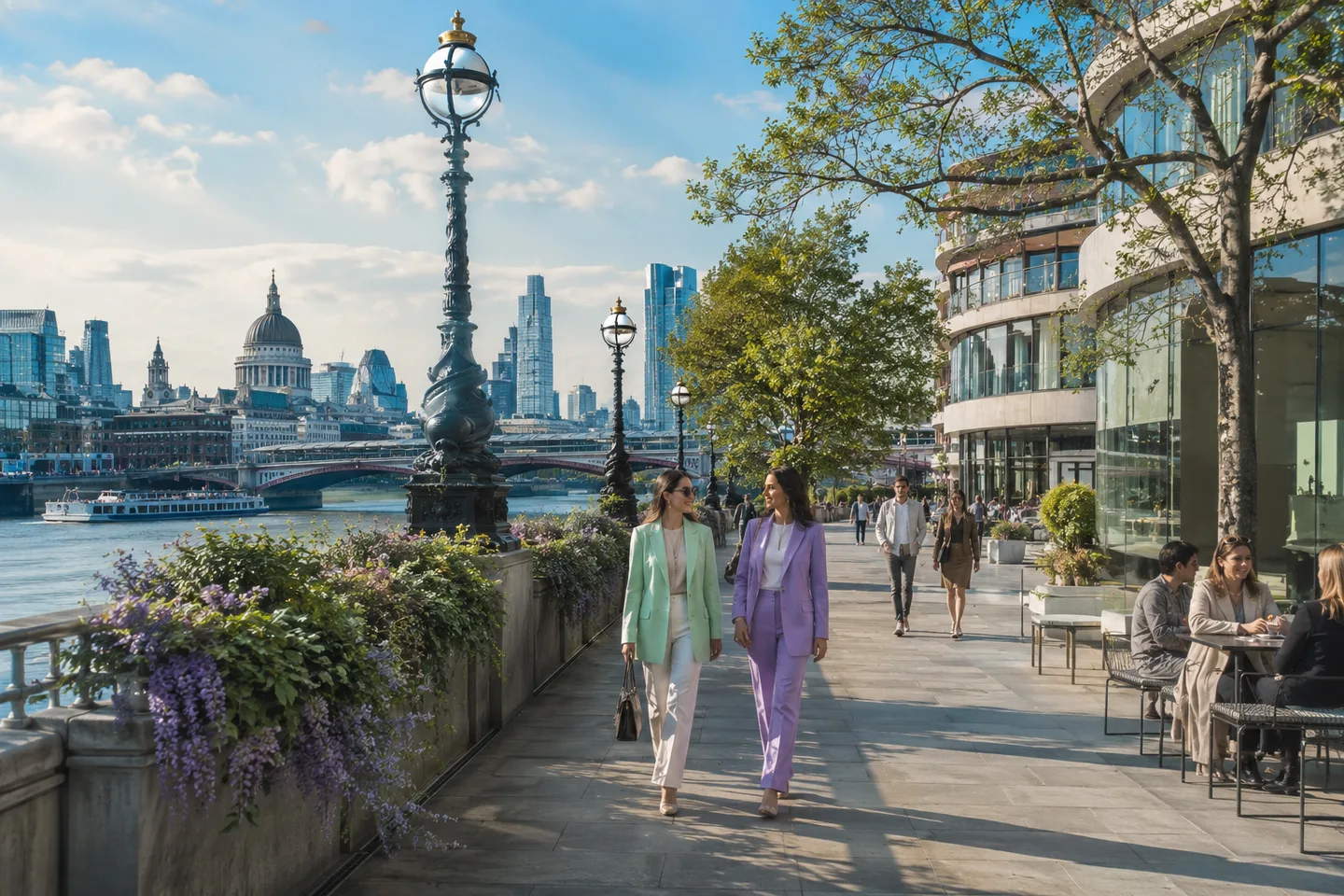
If your main booking is at Queen Elizabeth Hall or a BFI festival cinema, save the specific venue as the destination.
Keep a meal or flexible walk near it rather than adding another timed stop across London. A closure on one part of a line does not tell you which route will be quickest from your starting point.
Use the planner to compare the whole journey, including the final walk and the entrance on your booking.
For Greenwich and arena plans
Greenwich town centre, Woolwich and the Greenwich Peninsula are different destinations.
The DLR notice matters if your proposed route uses the affected stretch; an arena ticket should instead be planned to the arena named on it. Avoid assuming that a station with Greenwich in its name puts you at the correct entrance.
Keep the selected ticket, destination and home route together, and check the venue’s own travel messages as well as TfL.
If step-free access matters
Apply your access preferences when planning, then review station and lift status shortly before travelling.
A replacement route with the same destination can still involve different entrances, stairs or interchanges. Ask the venue about its final approach and any seating assistance separately: a step-free rail route does not establish that every venue entrance works for your group.
No replacement-bus route, lift availability or extra journey time is promised here.
When to recheck
Read the current planned-works notice while making bookings, run the journey planner with the correct date, and reopen live status before departure.
For a late finish, check the actual return time rather than the time you arrived. These notes summarise selected changes from TfL’s 8 October publication, checked on 9 October; the official pages can be revised.
The guide leaves current recommendations after 11 October and remains as a dated archive.