 LONNOW.COM
CULTURE
London public libraries: free space, local knowledge and culture
A library can be a study room, warm public space, local archive, children’s venue, digital access point and a calmer way into a neighbourhood.
Start with your borough
Public library services are usually organised locally.
Check membership, identification, opening hours and borrowing rules on the relevant council website.
On this page
Use more than the shelves
Services may include computers, Wi-Fi, printing, study desks, children’s activities, local history, language groups and help accessing digital council services.
Plan quiet work carefully
Study capacity and noise vary by branch and time.
Keep a second nearby branch or university space in mind during exams.
Explore the local story
Libraries often hold archives, talks and community knowledge that do not appear in a standard visitor itinerary.
Treat them as part of the neighbourhood, not only a utility.
Join the local network
Library membership and borrowing rules vary by authority, so check the borough or institution that operates the branch.
Bring only the evidence requested and ask about e-books, databases, newspapers, study bookings and inter-library access. A small local branch may provide services that are less visible than those of a famous research library and can become part of weekly life.
Use study space considerately
Check opening hours, desk booking, laptop rules, calls, food and access to power before an important work session.
Bring headphones and a backup location during exams or busy periods. Libraries serve children, jobseekers, researchers and residents together, so quiet expectations differ by zone.
Protect belongings and never leave devices unattended to hold a desk.
Explore practical support
Branches may host language groups, children’s sessions, exhibitions, local-history collections, digital help and employment support.
Programmes change, so use the current calendar rather than assuming every branch offers the same services. Ask staff about reliable local information; their knowledge can be more useful than a generic search when navigating borough services or neighbourhood history.
Continue exploring
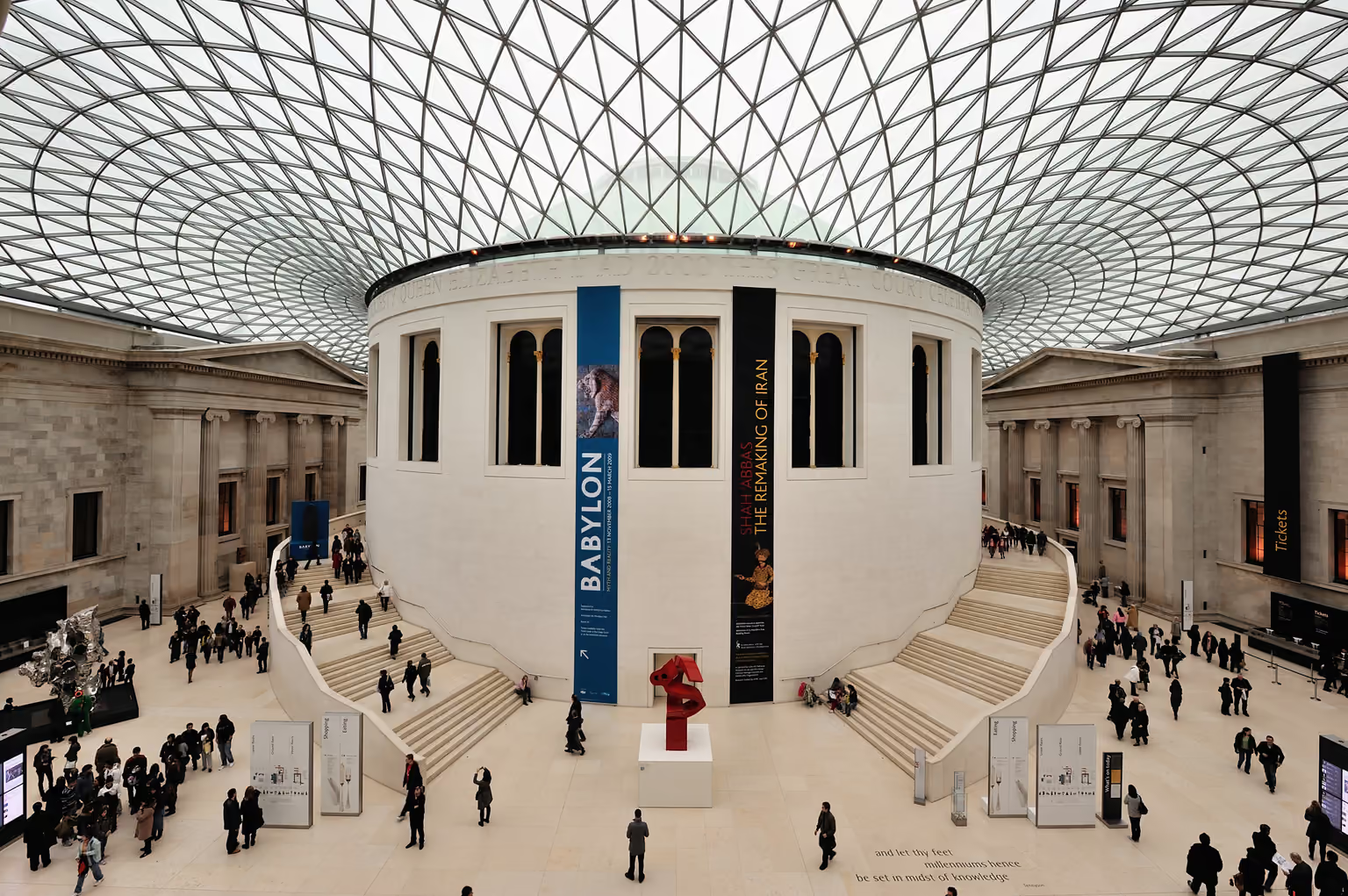
Free museums in London: choose your visit
Start with what you want to see, then choose the district. South Kensington suits objects, design and science; Bloomsbury and Bankside offer different collection-led days. Free admission does not mean every exhibition is included.
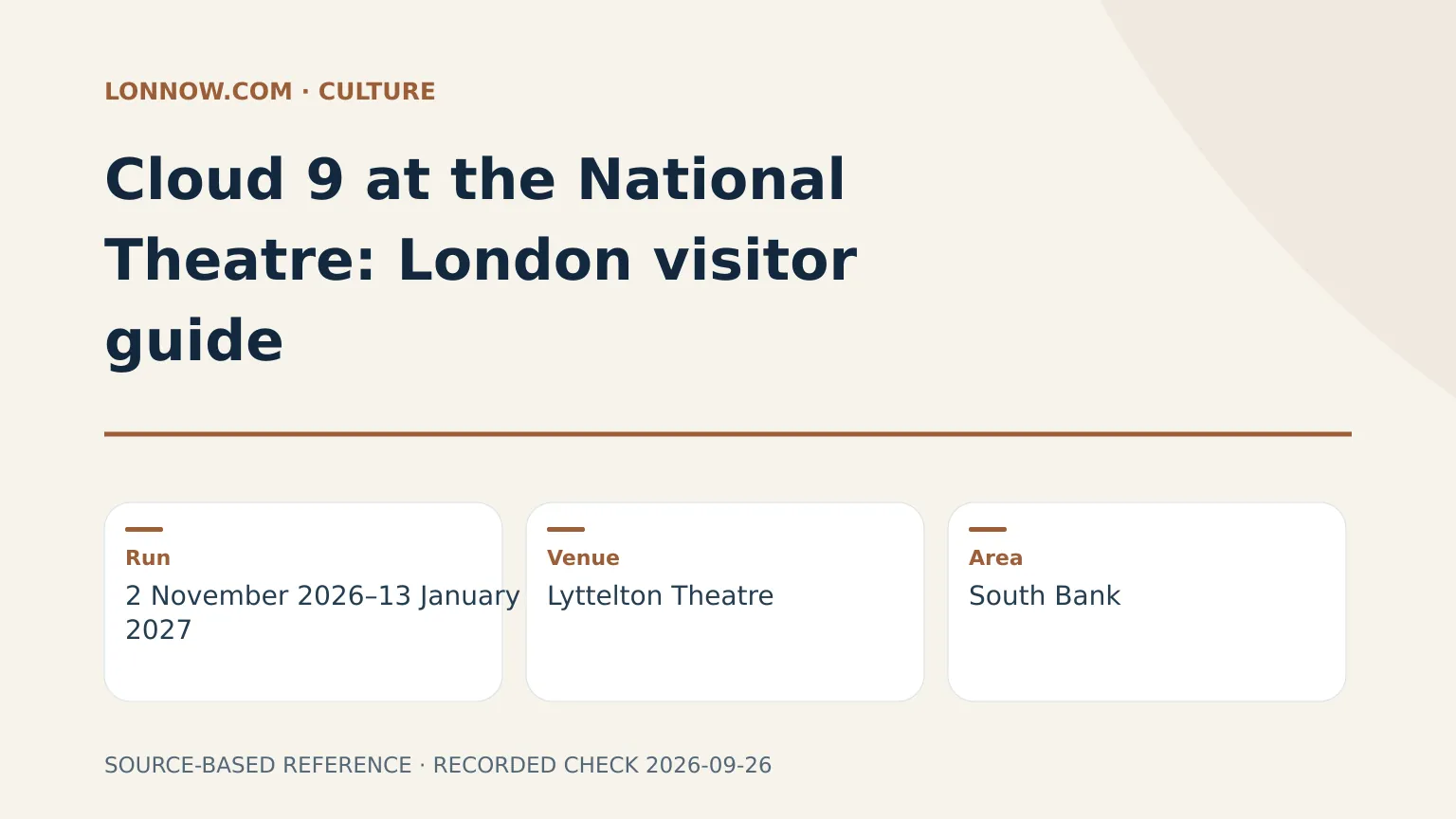
Cloud 9 at the National Theatre: London visitor guide
Dominic Cooke directs Caryl Churchill’s play at the National Theatre this autumn and winter.

Hidden London: find the city beyond the obvious list
A quieter London day comes from following one overlooked story through streets, buildings and collections—not chasing secrecy for its own sake.